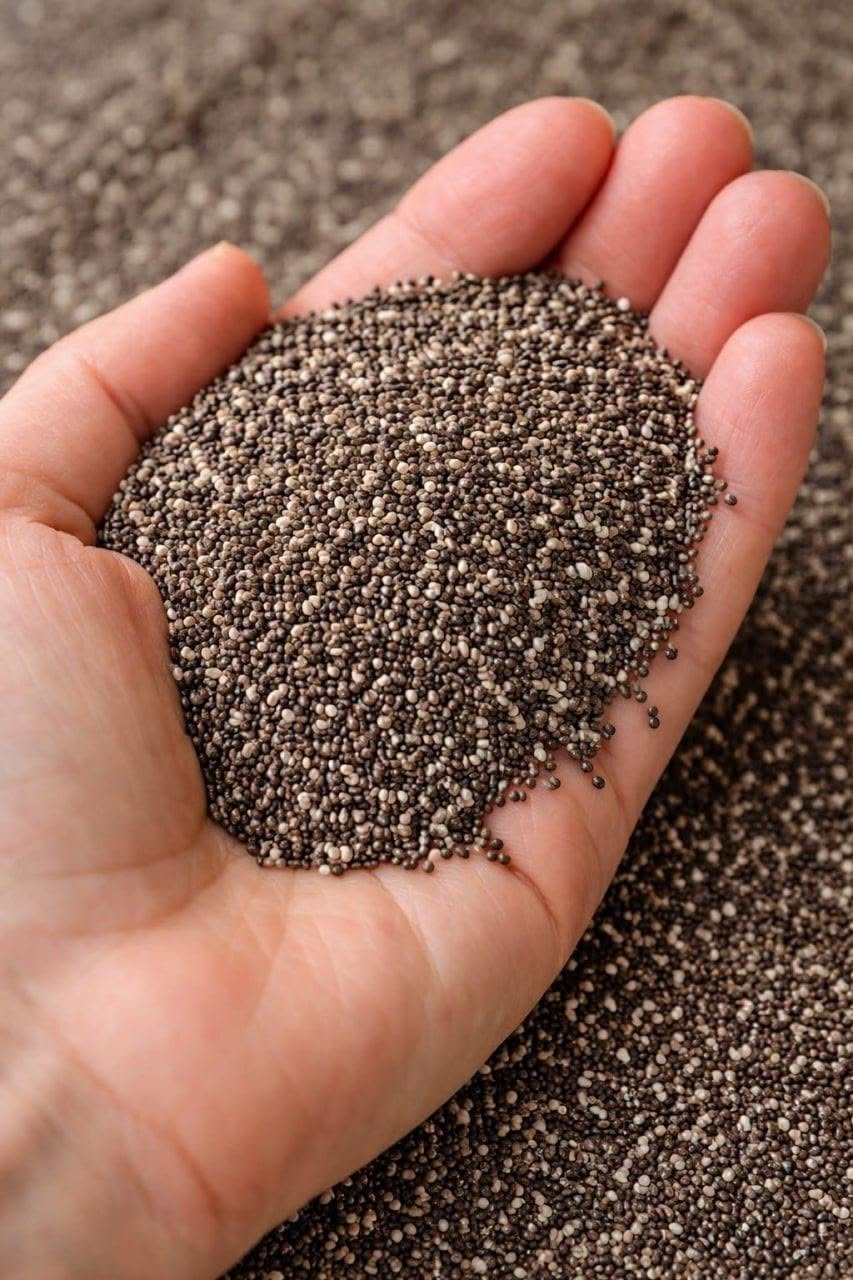
Sensationalized online headlines frequently use clickbait titles like “Doctors Reveal Eating Chia Seeds Causes…” to imply that this popular superfood is either a hidden poison or a catastrophic health hazard.
In gastroenterology and nutrition, chia seeds are safe, highly nutritious, and exceptionally beneficial for most people. However, because of their unique physical properties and high dietary fiber content, eating them incorrectly—particularly consuming dry chia seeds followed by water—can cause real medical issues, ranging from esophageal blockages to severe gastrointestinal distress.
Here is an objective, science-based breakdown of what happens when you eat chia seeds, the physical risks of improper consumption, and how to eat them safely:
The Main Physical Hazard: Esophageal Obstruction
The most alarming clinical event linked to chia seeds involves impaction in the esophagus (the food pipe).
-
The Hydrophilic Mechanism: Chia seeds are intensely hydrophilic—meaning they can absorb up to 10 to 12 times their weight in water. When dry chia seeds come into contact with moisture, they rapidly form a thick, sticky, gel-like outer layer (mucilage).
-
The Case Study: Medical journals (including a famous report from the American College of Gastroenterology) documented a patient who swallowed a tablespoon of dry chia seeds and immediately chased them with a glass of water. The seeds expanded inside his esophagus, forming a dense, gelled mass that completely blocked his throat, preventing him from swallowing his own saliva and requiring emergency endoscopic removal.
-
Who Is Most At Risk: Individuals with dysphagia (difficulty swallowing), esophageal strictures (narrowing of the esophagus), or motility disorders.
Digestive Side Effects: Fiber and Fluid Dynamics
Even when swallowed safely, introducing large amounts of chia seeds too quickly can cause localized gastrointestinal upset:
-
Bloating, Gas, and Abdominal Cramps:
-
The Mechanism: Two tablespoons of chia seeds contain roughly 10 grams of dietary fiber (about 35% of your recommended daily allowance). A sudden influx of fiber ferments rapidly in the gut, producing excess gas and abdominal distension if your digestive system isn’t accustomed to it.
-
-
Constipation or Intestinal Blockage:
-
The Mechanism: Because the soluble fiber in chia seeds pulls water into the stool, consuming them without drinking adequate fluids throughout the day can cause the seeds to absorb moisture from your intestinal walls, leading to hard, slow-moving stools or severe constipation.
-
Potential Medication Interactions
While rare at normal culinary doses, high daily intakes of chia seeds can interact with certain treatments:
-
Blood Pressure Medications: Chia seeds are high in omega-3 fatty acids (alpha-linolenic acid), which exert a mild, natural blood-pressure-lowering effect. Combined with prescription antihypertensives, it may cause minor additive drops in blood pressure.
-
Diabetes Medications: The high soluble fiber content slows down glucose absorption in the gut, which is generally helpful for blood sugar control but may require monitoring if you are on potent glucose-lowering drugs.
How to Prepare and Eat Chia Seeds Safely
To gain the cardiovascular, metabolic, and digestive benefits of chia seeds without any of the physical risks, follow these evidence-based rules:
-
Never Swallow Dry Chia Seeds: Always ensure the seeds have expanded in liquid before they enter your throat.
-
Soak Before Eating (The 1:4 Ratio): Combine 1 part chia seeds with at least 4 parts liquid (water, milk, or yogurt). Let them sit for at least 15 to 20 minutes (or overnight in the fridge) until they form a fully expanded pudding or gel.
-
Drink Extra Water: Whenever you increase your dietary fiber intake, increase your daily water consumption to keep the fiber moving smoothly through your digestive tract.
-
Start Gradually: If you are new to chia seeds, start with 1 teaspoon per day and slowly work up to the standard serving size of 1 to 2 tablespoons.
