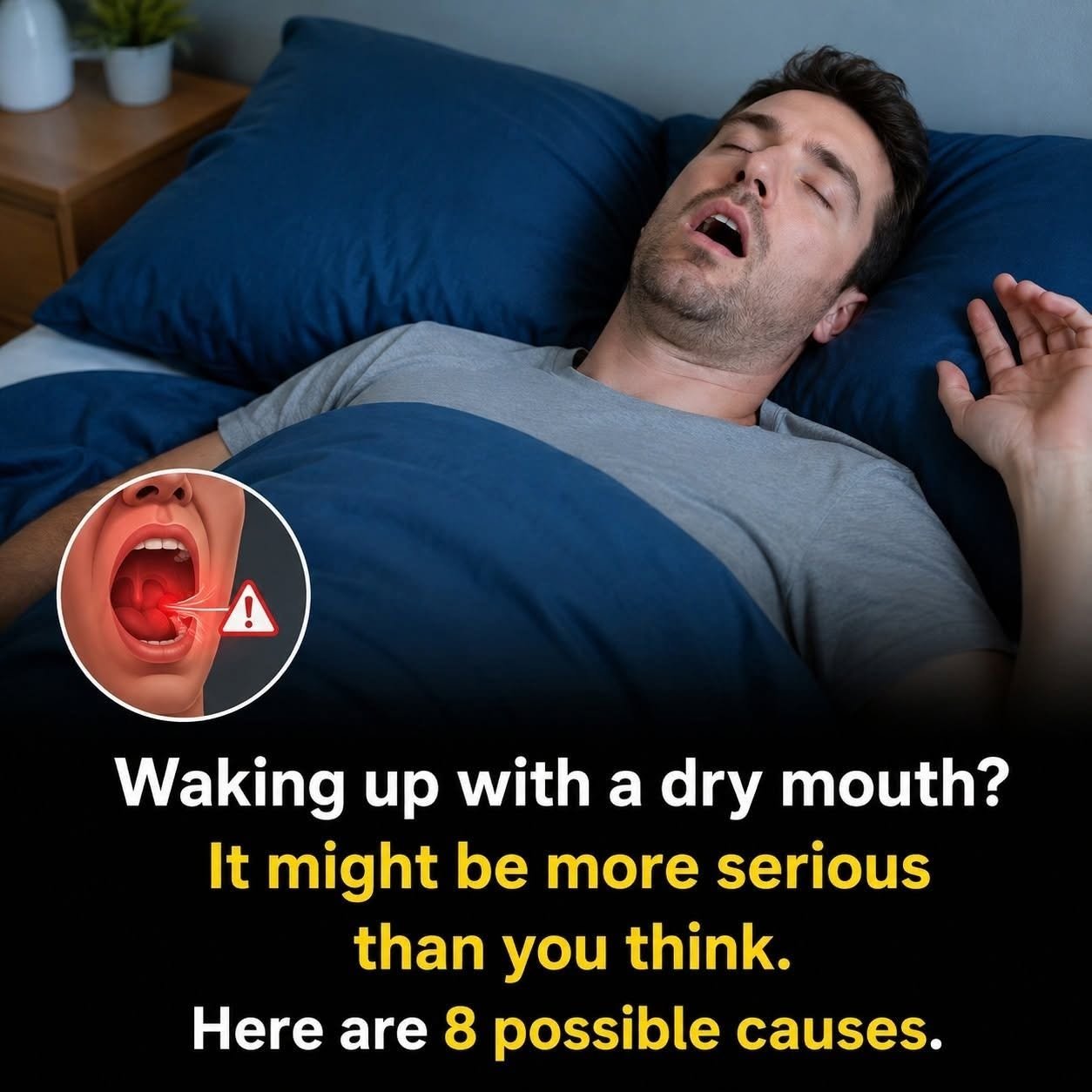
Waking up with a dry mouth occasionally is common, especially if you sleep with your mouth open or dehydrated. However, persistent nighttime dry mouth (medically known as xerostomia) can sometimes be more than just a nuisance. When your salivary glands don’t produce enough saliva while you sleep, it can impact your overall health and comfort.
Here are 8 signs and associated indicators linked to chronic nighttime dry mouth that you shouldn’t ignore:
1. Persistent Sore Throat or Hoarseness in the Morning
Saliva acts as a natural lubricant and protective barrier for the tissues of your throat and vocal cords. Without adequate moisture overnight, the delicate lining of your throat can become irritated, leading to a scratchy, sore throat or a raspy voice every morning.
2. Frequent Thirst or Waking Up to Drink Water
If you find yourself waking up multiple times throughout the night with an intense, unquenchable thirst and a tongue that feels like sandpaper, it’s a clear sign that your salivary glands are significantly underperforming while you rest.
3. Difficulty Swallowing or Speaking Upon Waking
Saliva is essential for lubricating food and helping you speak smoothly. Severe dryness can make it hard to swallow your morning pill, chew breakfast, or even speak clearly without taking a sip of water first.
4. A Sticky, Dry, or Burning Sensation on the Tongue
When saliva flow drops drastically, your tongue and oral tissues can feel tacky, thick, or even develop a painful, burning sensation. This lack of moisture can also alter your sense of taste or make foods taste metallic.
5. Cracks at the Corners of the Mouth and Chapped Lips
Saliva helps keep the lips moist and protects the skin around the mouth. Chronic dryness frequently results in peeling, cracking lips and painful splits at the corners of the mouth (a condition called angular cheilitis), which can become prone to irritation or infection.
6. A Sudden Increase in Cavities or Tooth Decay
Saliva is your teeth’s primary defense system. It washes away food particles, neutralizes plaque acids, and delivers essential minerals (like calcium and phosphate) to repair early enamel damage. Without it, you may experience a rapid, unexplained increase in cavities, particularly near the gumline.
7. Chronic Bad Breath (Halitosis)
Saliva contains natural antibacterial properties and acts as a constant rinse for your mouth. When your mouth dries out, dead skin cells, bacteria, and food debris accumulate unchecked, leading to persistent bad breath that doesn’t go away easily with brushing.
8. Changes or Irritation in Denture Fit
If you wear dentures, a lack of saliva can cause significant discomfort. Saliva creates a natural suction and cushion that keeps dentures securely in place. Without it, dentures can rub against dry gum tissues, causing friction sores, irritation, and slipping.
Common Causes of Nighttime Dry Mouth
-
Mouth Breathing: Sleeping with your mouth open (due to allergies, a deviated septum, or nasal congestion) rapidly evaporates oral moisture.
-
Medications: Hundreds of prescription and over-the-counter drugs—including antihistamines, blood pressure medications, antidepressants, and diuretics—list dry mouth as a common side effect.
-
Dehydration: Not drinking enough fluids throughout the day.
-
Lifestyle Factors: Regular consumption of caffeine or alcohol close to bedtime, or using tobacco products.
Simple Steps for Relief
-
Keep a glass of water by your bed to sip throughout the night.
-
Use a cool-mist humidifier in your bedroom to add moisture to the air.
-
Breathe through your nose rather than your mouth when possible.
-
Practice good oral hygiene, and consider using alcohol-free mouthwashes specifically designed for dry mouth.
If chronic dry mouth persists, consult your dentist or physician to identify the underlying cause, review your medications, and protect your dental health.
