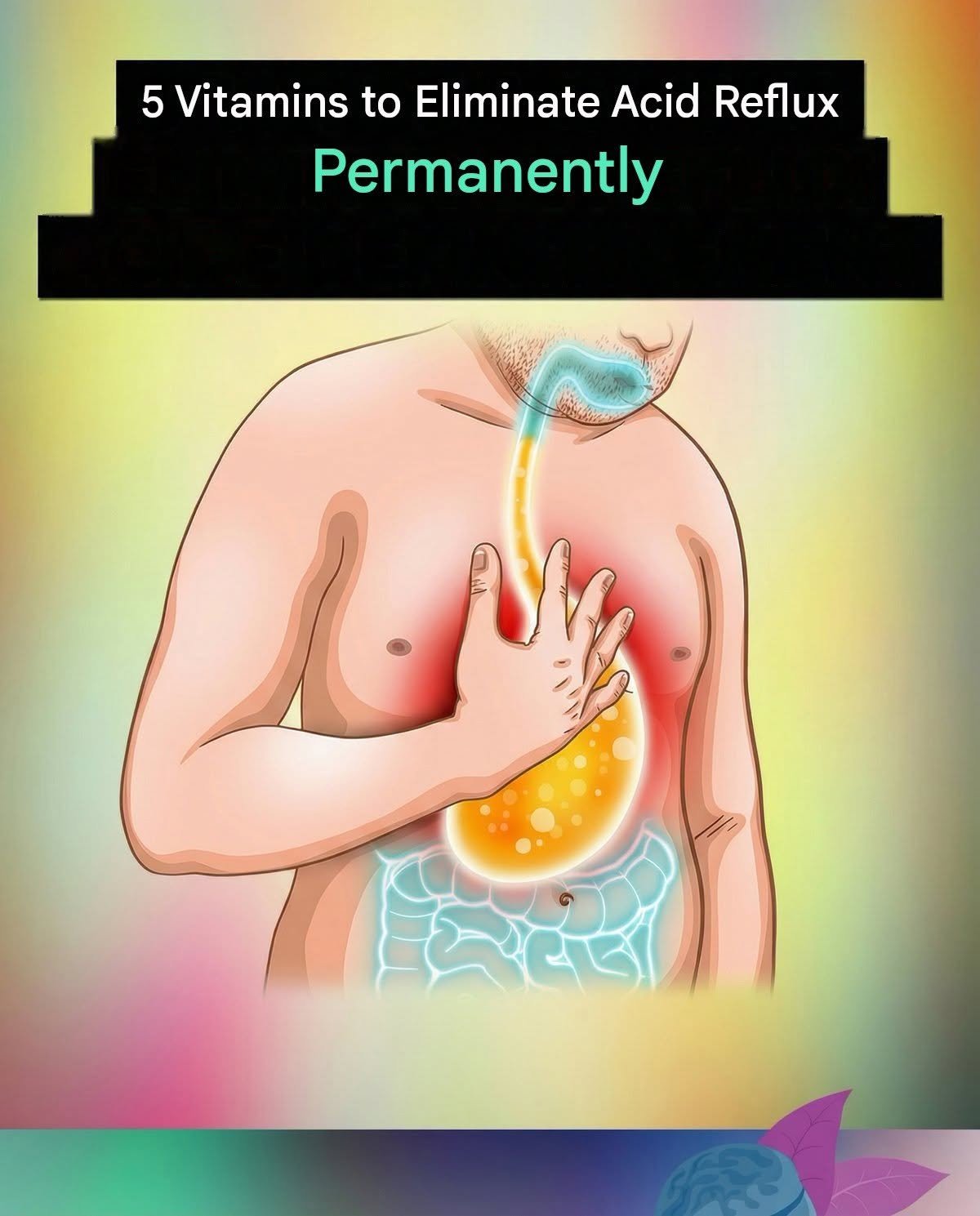
While dietary adjustments and lifestyle habits form the cornerstone of heartburn relief, specific vitamins and micronutrients help support esophageal tissue, lower inflammation, and promote proper gastrointestinal function.
Here are 5 key vitamins and nutrients commonly recommended to support relief from acid reflux:
1. Vitamin D
Vitamin D helps regulate immune function and systemic inflammation, while supporting smooth muscle function throughout the gastrointestinal tract. This includes the lower esophageal sphincter (LES)—the muscular ring responsible for keeping stomach acid from washing back up into the esophagus. Ensuring adequate Vitamin D intake helps support the muscular tone and integrity of the digestive valve.
2. Vitamin B Complex (B6 and B12)
B vitamins support nervous system health and gut motility, ensuring food moves smoothly through the digestive system. Additionally, prolonged use of acid-suppressing medications (like proton pump inhibitors or H2 blockers) can interfere with Vitamin B12 absorption. Supplementing with a balanced B-complex helps maintain cellular energy, tissue repair, and neural control of the digestive tract.
3. Vitamin C (Non-Acidic / Buffered Form)
Vitamin C acts as a potent antioxidant, neutralizing free radicals and aiding in the cellular repair of esophageal tissues that may be irritated by acid exposure. It also supports overall gastric mucosal defense.
-
Important Note: Traditional ascorbic acid can irritate a sensitive stomach. Opt for a buffered, non-acidic form (such as calcium ascorbate or sodium ascorbate) to gain its healing benefits without triggering heartburn.
4. Vitamin A
Vitamin A plays a crucial role in maintaining and regenerating mucosal membranes throughout the body. Adequate levels help strengthen the epithelial lining of the esophagus and stomach, enhancing the body’s natural protective barrier against stomach acid and digestive enzymes.
5. Zinc Carnosine
While zinc is a mineral, its specialized chelated form—Zinc Carnosine—is widely utilized in integrative digestive care. It adheres directly to the mucosal lining of the upper GI tract, providing a localized protective layer that soothingly coats irritated tissue, reduces mucosal inflammation, and supports tissue healing.
⚠️ Best Practices for Acid Reflux Management
-
Avoid Acidic Triggers: Always take supplements with plenty of water and avoid taking Vitamin C or multivitamin supplements via acidic juices (like orange or grapefruit juice), which can immediately trigger symptoms.
-
Consult a Professional: Acid reflux can stem from different underlying causes, including insufficient stomach acid production or hiatal hernias. Discuss new supplement routines with a healthcare provider to ensure proper dosage and avoid interactions with existing medications.
