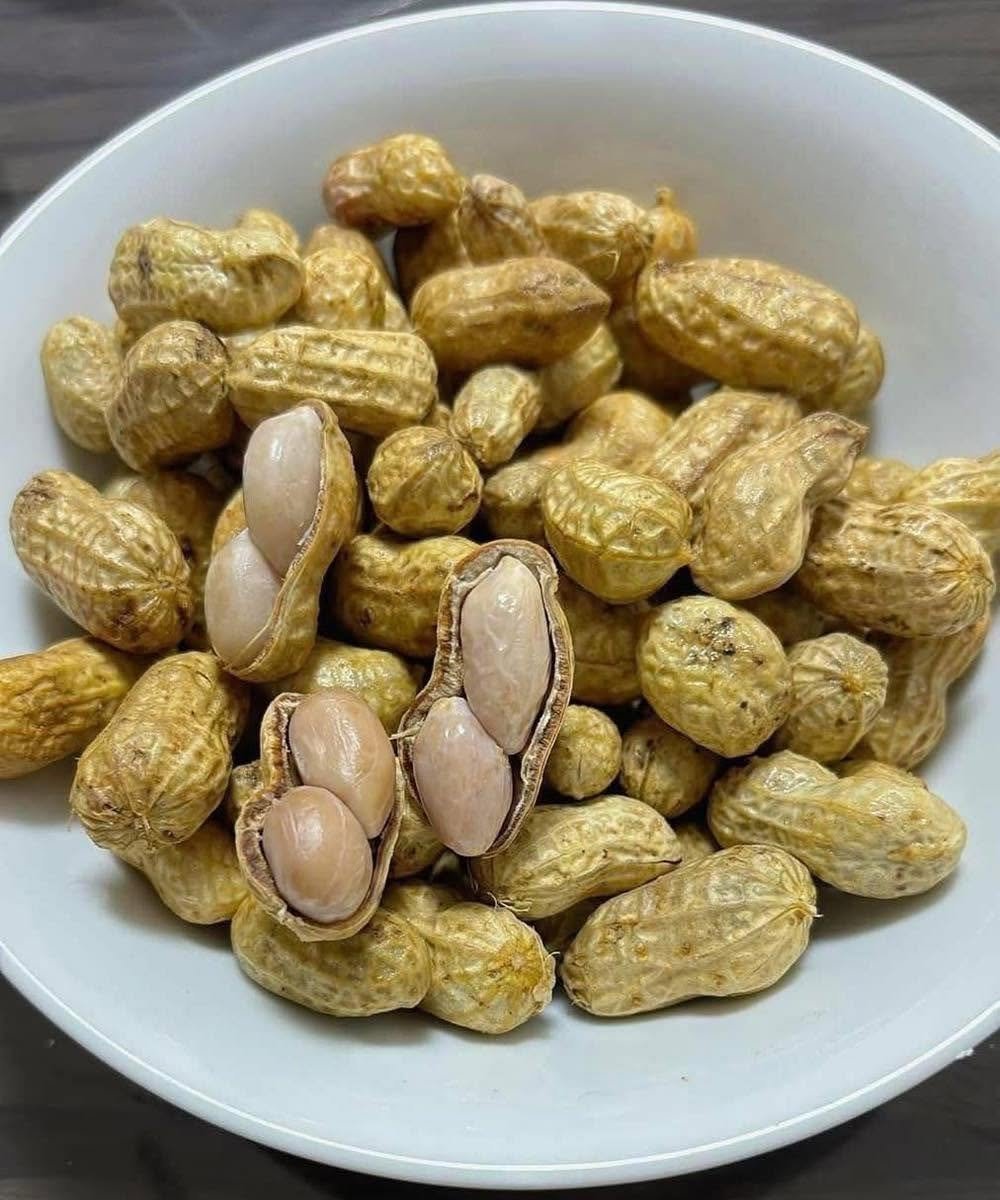
According to nutritional and medical experts, regularly incorporating peanuts into your diet can lead to a variety of significant physiological effects—both positive and negative, depending on portion sizes and individual health profiles.
Here is what medical science shows happens when you eat peanuts:
1. The Potential Health Benefits (When Eaten in Moderation)
-
Improved Heart Health: Peanuts are rich in monounsaturated and polyunsaturated fats, magnesium, copper, and antioxidants like resveratrol. Clinical and epidemiological studies show that regular consumption helps lower LDL (“bad”) cholesterol, reduce systemic inflammation, and decrease the overall risk of cardiovascular disease.
-
Better Blood Sugar Control: Because peanuts have a very low glycemic index (GI) and are packed with protein, healthy fats, and fiber, they digest slowly and prevent sharp spikes in blood glucose, making them helpful for metabolic health and lowering type 2 diabetes risk.
-
Enhanced Satiety and Weight Management: Despite being calorie-dense, the high protein and fiber content in peanuts triggers satiety hormones that keep you feeling full longer. Moderate daily consumption is frequently linked in studies to successful long-term weight maintenance rather than weight gain.
-
Cellular and Cognitive Support: Peanuts provide substantial amounts of niacin (Vitamin B3), folate, Vitamin E, and essential amino acids, which support cellular repair, energy metabolism, and long-term brain health (protecting against age-related cognitive decline).
2. Potential Risks and Downsides (When Overconsumed or Unchecked)
-
Caloric Surplus and Weight Gain: Because they are intensely nutrient- and calorie-dense, eating large handfuls mindlessly can quickly push your daily caloric intake past your body’s needs, leading to unintended weight gain.
-
Digestive Distress from Excess: Peanuts contain phytic acid and high levels of dietary fats and fiber. Consuming them in excessive amounts can overwhelm digestion, leading to bloating, gas, stomach cramps, or loose stools.
-
Sodium Overload (Commercial Varieties): Highly salted, roasted cocktail peanuts or commercial peanut butters laced with added sodium can contribute to elevated blood pressure, counteracting the natural cardiovascular benefits of the nut.
-
Severe Allergic Reactions: For individuals with peanut sensitivities, ingestion can trigger an immune response ranging from hives and swelling to life-threatening anaphylaxis.
-
Mycotoxin (Aflatoxin) Exposure: Like many underground legumes, improperly stored or moldy peanuts can occasionally harbor Aspergillus molds, which produce aflatoxins—potent compounds that can place toxic strain on the liver over time.
The Expert Takeaway
Medical professionals generally recommend a standard portion size of about 1 ounce (roughly 35 individual peanuts or a small handful) per day, ideally choosing raw, dry-roasted, or unsalted varieties to maximize heart-healthy nutrients while avoiding excess sodium and calories.
