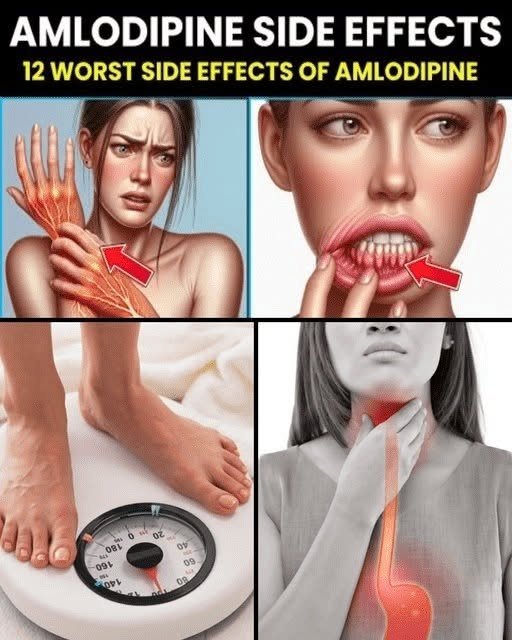
Amlodipine is a widely prescribed calcium channel blocker used to lower high blood pressure and manage chest pain (angina) by relaxing blood vessels. While generally well-tolerated, it can produce serious or sudden side effects in some individuals.
Here are 12 side effects and warning signs associated with amlodipine that you should never ignore:
1. Severe Peripheral Edema (Significant Leg, Ankle, or Foot Swelling)
-
What happens: Amlodipine causes small blood vessels (arterioles) to dilate faster than veins can carry blood back to the heart. Fluid pushes into surrounding tissues, particularly in the lower extremities due to gravity.
-
Why not to ignore it: Mild ankle swelling is common, but rapid, painful, or severe swelling that extends up the shins or leaves deep indentations (pitting edema) can strain skin integrity, raise infection risks, or signal worsening fluid retention.
2. Paradoxical Worsening Chest Pain (Angina) or Heart Attack
-
What happens: When starting amlodipine or increasing the dose, a sudden drop in blood pressure can cause a compensatory reflex in the heart, making it beat faster (reflex tachycardia).
-
Why not to ignore it: For individuals with severe coronary artery disease, this sudden shift can reduce oxygen supply to the heart muscle, triggering severe chest pressure or an acute cardiac event.
3. Severe Low Blood Pressure (Hypotension) and Fainting (Syncope)
-
What happens: The medication may lower blood pressure too aggressively, leading to inadequate blood flow to the brain.
-
Why not to ignore it: Experiencing extreme lightheadedness, confusion, blurred vision, or fainting spells puts you at a high risk for serious fall injuries and indicates your dosage needs immediate re-evaluation.
4. Heart Palpitations or Irregular Heartbeat (Arrhythmia)
-
What happens: As blood vessels widen rapidly, the body may try to compensate by speeding up the heart rate, leading to a pounding, racing, or fluttering feeling in the chest.
-
Why not to ignore it: Persistent palpitations can signal an underlying heart rhythm disturbance or excessive cardiovascular strain that requires medical monitoring.
5. Shortness of Breath and Fluid in the Lungs (Pulmonary Edema)
-
What happens: In rare instances, particularly in individuals with pre-existing heart failure, fluid retention triggered by blood pressure shifts can back up into the lungs.
-
Why not to ignore it: Feeling winded while lying flat, waking up gasping for air, or hearing a wet wheeze when breathing requires urgent medical evaluation.
6. Liver Damage or Jaundice (Hepatotoxicity)
-
What happens: Amlodipine is processed through the liver. In rare individuals, it can cause elevated liver enzymes, acute liver inflammation, or impaired bile flow.
-
Why not to ignore it: Watch for warning signs like yellowing of the skin or eyes (jaundice), dark tea-colored urine, pale stools, upper-right abdominal pain, or unexplained severe nausea.
7. Severe Allergic Reactions & Angioedema
-
What happens: A sudden immune response causing deep tissue swelling, particularly around the face, lips, tongue, or throat.
-
Why not to ignore it: Angioedema can rapidly obstruct your airway and make breathing difficult. Seek emergency services immediately if facial or throat swelling occurs.
8. Gum Overgrowth and Bleeding (Gingival Hyperplasia)
-
What happens: Long-term use of calcium channel blockers can cause the tissue of the gums to swell, thicken, and bleed easily during brushing.
-
Why not to ignore it: If unmanaged, overgrown gum tissue can trap bacteria, leading to severe periodontal disease, chronic infections, and tooth instability.
9. Severe Pancreatitis (Inflammation of the Pancreas)
-
What happens: Though extremely rare, amlodipine has been associated with sudden inflammation of the pancreas.
-
Why not to ignore it: It presents as severe, persistent upper stomach pain that radiates directly to the back, accompanied by vomiting and fever—a condition requiring urgent hospitalization.
10. BRASH Syndrome (In Combination with Other Heart Drugs)
-
What happens: BRASH syndrome is a cascade involving Bradycardia (slow heart rate), Renal failure, AV node blockade, Shock, and Hyperkalemia (high potassium). It can occur when amlodipine or other calcium channel blockers interact with kidney stress or beta-blockers.
-
Why not to ignore it: Symptoms include extreme weakness, a dangerously slow pulse, confusion, and cold, clammy skin.
11. Severe Skin Reactions (Stevens-Johnson Syndrome / Toxic Epidermal Necrolysis)
-
What happens: A rare, severe hypersensitivity reaction where the skin forms painful red or purple rashes, blisters, and begins peeling.
-
Why not to ignore it: Skin peeling accompanied by flu-like symptoms and mucous membrane sores is a medical emergency requiring specialized care.
12. Persistent Unexplained Muscle Tremors or Movement Disturbances
-
What happens: Amlodipine can occasionally affect muscle control, causing fine tremors, muscle stiffness, or uncoordinated movement patterns similar to extrapyramidal symptoms.
-
Why not to ignore it: Tremors or difficulty walking (a shuffling gait) should be reported promptly to prevent long-term discomfort or falls.
What to Do If You Notice These Symptoms
-
Never Stop Amlodipine Abruptly: Quitting blood pressure medication suddenly can cause a sharp, dangerous rebound spike in blood pressure, increasing your risk of stroke or heart attack.
-
Call Emergency Services Immediately If: You experience severe chest pain, sudden difficulty breathing, swelling of the mouth/throat, or loss of consciousness.
-
Contact Your Doctor If: You notice worsening leg/ankle swelling, unusual fatigue, persistent dizziness, yellowing eyes, or gum changes, so they can safely adjust your dosage or transition you to an alternative medication.
