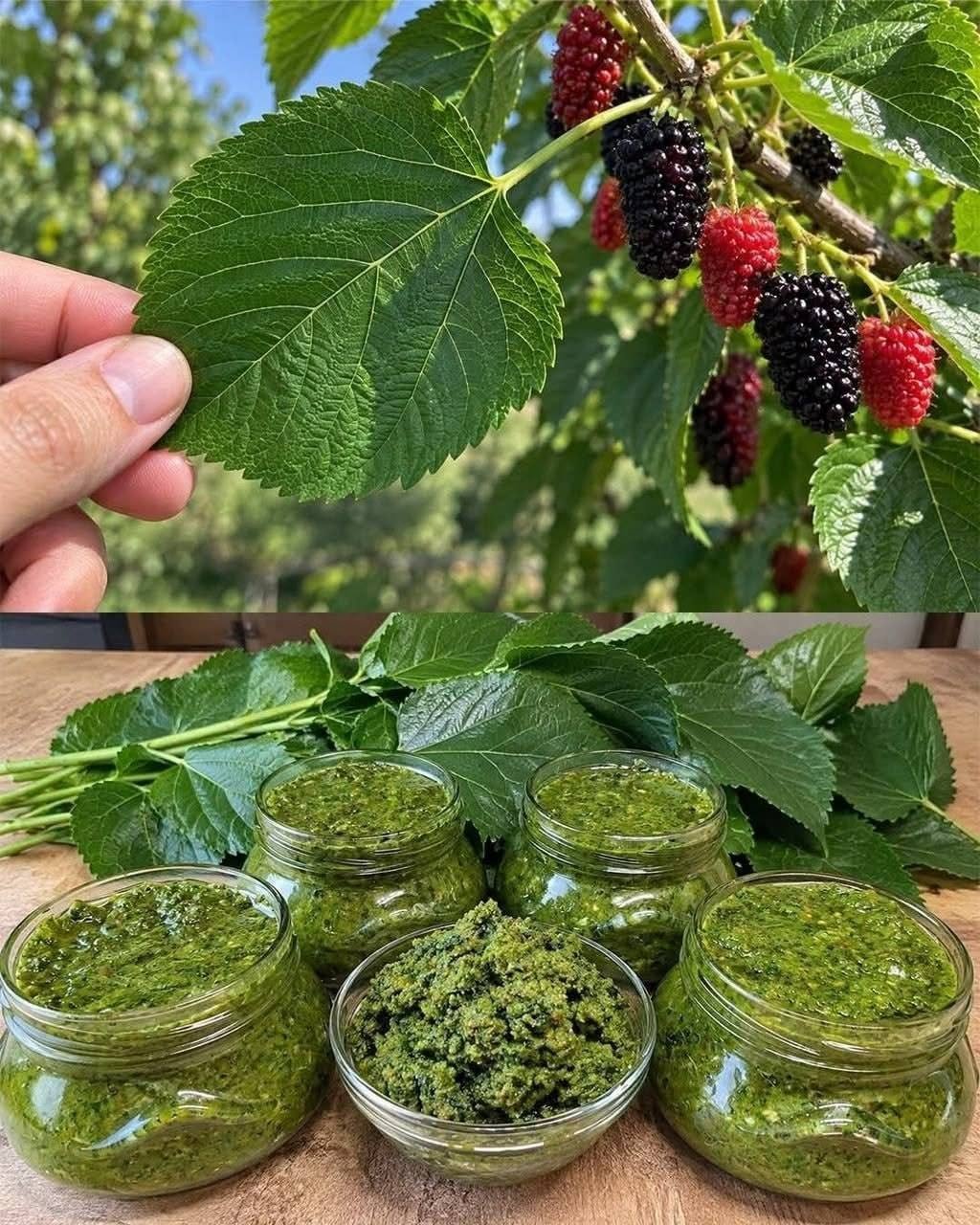
While the sweet, dark berries of the mulberry tree steal all the summer glory, herbalists, traditional medicine practitioners, and modern researchers know that the leaves are the true powerhouse of the plant. For centuries across Asia, mulberry leaves (Morus alba) have been revered not just as food for silkworms, but as a potent botanical medicine.
Here is what most people miss about why mulberry leaves are so remarkably important for human health:
1. The Ultimate Blood Sugar Regulator (The 1-Deoxynojirimycin Factor)
Mulberry leaves contain a unique, naturally occurring compound called 1-deoxynojirimycin (DNJ), which you won’t find in almost any other plant.
-
How It Works: DNJ acts as an alpha-glucosidase inhibitor. When you consume carbohydrates or sugars, this compound slows down the breakdown of complex carbs into glucose in your intestinal tract.
-
The Clinical Benefit: Drinking mulberry leaf tea or taking an extract before a meal blunts the post-meal blood sugar spike. Instead of a sharp insulin surge and subsequent crash, glucose enters the bloodstream at a much steadier, flatter rate. This makes mulberry leaves a powerful, natural tool for individuals managing pre-diabetes, insulin resistance, or type 2 diabetes.
2. A Rich Shield of Antioxidants (Rutin and Quercetin)
The leaves are packed with powerful plant pigments and polyphenols—particularly rutin, quercetin, and chlorogenic acid.
-
Cellular Protection: These antioxidants neutralize free radicals, reducing systemic oxidative stress and chronic inflammation throughout the body.
-
Vascular Health: Rutin is particularly famous for strengthening capillary walls and improving microcirculation, helping to protect blood vessels from damage caused by high blood sugar and high blood pressure.
3. Natural Cholesterol and Lipid Management
Modern clinical studies have begun validating what traditional medicine has claimed for generations: mulberry leaves support a healthy lipid profile.
-
Regular consumption has been shown in trials to help lower LDL (“bad”) cholesterol, reduce triglycerides, and prevent the oxidation of cholesterol particles, which is a key step in plaque formation inside the arteries.
4. Packed with Essential Minerals and Amino Acids
Mulberry leaves aren’t just medicinal; they are densely nutritious. They contain significant concentrations of:
-
Calcium, Magnesium, and Potassium: Crucial minerals for bone density, muscle relaxation, and blood pressure regulation.
-
Gamma-Aminobutyric Acid (GABA): A calming neurotransmitter that helps soothe the nervous system, reduce mild anxiety, and support restful sleep.
-
All 9 Essential Amino Acids: Making them a complete plant-based protein source when consumed as a tea or powder.
How to Use Mulberry Leaves
-
Mulberry Leaf Tea: The most common and traditional way to consume them is by steeping dried or fresh leaves in hot water for 5 to 10 minutes. Drinking a cup roughly 15–30 minutes before a carbohydrate-heavy meal is the optimal way to harness their blood-sugar-stabilizing properties.
-
Powders & Supplements: Dried leaves can be ground into a vibrant green powder to mix into smoothies, or taken in capsule extract form.
Next time you look at a mulberry tree, remember that the canopy holds just as much therapeutic value as the fruit on its branches!
