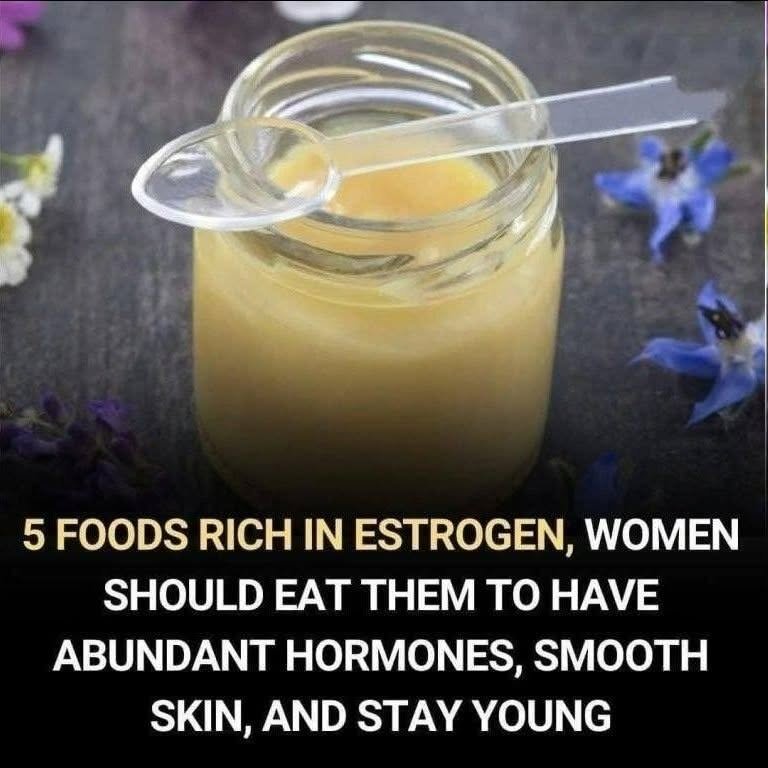
When discussing “foods rich in estrogen,” what we are typically referring to are foods high in phytoestrogens (plant estrogens). Phytoestrogens are naturally occurring plant compounds that have a chemical structure similar to human estrogen ($17\beta\text{-estradiol}$). Because of this similarity, they can bind to estrogen receptors in the body, exerting mild estrogen-like or estrogen-balancing effects depending on your individual hormone levels.
Here are 5 of the top food sources richest in phytoestrogens:
1. Flaxseeds
Flaxseeds are widely considered the single richest dietary source of lignans, a primary class of phytoestrogens.
-
Key Benefit: In addition to their high phytoestrogen content, flaxseeds are packed with dietary fiber and omega-3 fatty acids, which support heart health and digestive regularity.
-
How to Consume: Whole flaxseeds often pass through the body undigested; consume them ground (milled) by sprinkling a tablespoon into oatmeal, smoothies, or yogurt for optimal absorption.
2. Soybeans and Soy Products
Soy foods contain exceptionally high concentrations of isoflavones (specifically genistein and daidzein), another major category of potent plant estrogens.
-
Top Options: Edamame (young soybeans), tofu, tempeh, and soy milk.
-
Key Benefit: Whole or minimally processed soy products (like tempeh and tofu) also provide complete plant-based protein, calcium, and essential minerals while supporting cholesterol management.
3. Sesame Seeds
Like flaxseeds, sesame seeds are loaded with lignans (such as sesamin and sesamolin) and offer strong antioxidant properties.
-
Key Benefit: Sesame seeds are also rich in calcium, magnesium, and healthy fats. Studies show regular consumption can help support healthy blood lipid profiles and bone mineral density.
-
How to Consume: Sprinkle toasted sesame seeds over salads, stir-fries, or enjoy them in the form of tahini (sesame paste) added to dressings or hummus.
4. Dried Fruits (Prunes, Dates, & Apricots)
Dried fruits are far higher in phytoestrogens per serving than their fresh counterparts because the drying process concentrates their natural nutrients and plant compounds.
-
Top Options: Dried apricots, dates, and prunes (dried plums).
-
Key Benefit: Prunes in particular are well-documented for supporting bone density—which is closely tied to estrogen balance—alongside providing dense dietary fiber for digestion.
5. Legumes (Chickpeas, Lentils, & Peanuts)
Legumes—especially chickpeas (garbanzo beans) and lentils—contain moderate amounts of both isoflavones and lignans.
-
Key Benefit: They provide a steady supply of complex carbohydrates, plant protein, and soluble fiber, helping to stabilize blood sugar spikes and promote satiety alongside their mild hormonal-balancing qualities.
-
How to Consume: Enjoy chickpeas in hummus, toss lentils into soups or salads, or incorporate beans into stews and grain bowls.
A Quick Note on Phytoestrogens
-
Gentle Balance: Phytoestrogens are significantly weaker than human estrogen produced by your ovaries or synthetic hormone replacement therapy (HRT).
-
Modulating Effect: They act as natural adaptogens in the body: if your internal estrogen levels are low, they can weakly activate estrogen receptors; if your estrogen levels are high, they can occupy those receptors and reduce total estrogenic activity.
