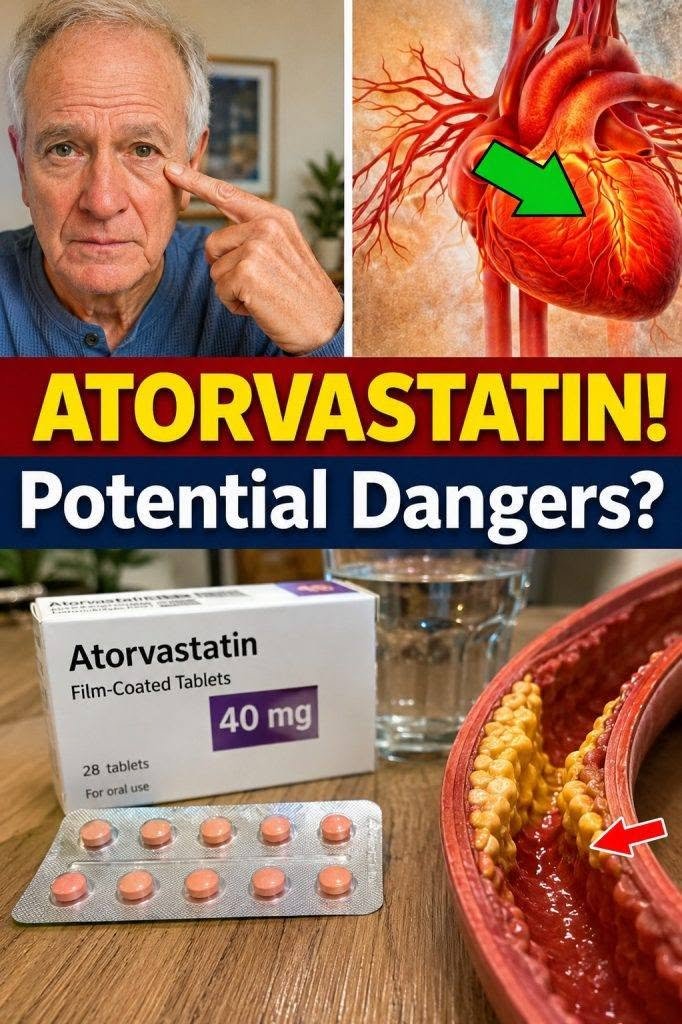
Atorvastatin (commonly known by its brand name, Lipitor) is one of the most frequently prescribed statin medications worldwide. By inhibiting HMG-CoA reductase—a crucial enzyme your liver uses to manufacture cholesterol—it effectively lowers LDL (“bad”) cholesterol, stabilizes arterial plaque, and significantly reduces the risk of cardiovascular events like heart attacks and strokes.
However, like any potent prescription medication, understanding its full profile of potential side effects, metabolic shifts, and safety protocols is essential for safe long-term use. Here are 15 important things to know about atorvastatin:
Common & Mild Side Effects
-
Muscle Aches and Weakness (Statin Myalgia)The most widely reported complaint is mild-to-moderate muscle soreness, stiffness, or weakness, usually felt in the thighs, calves, shoulders, or lower back. It occurs in roughly 5% to 10% of users and is generally mild.
-
Digestive Upset and NauseaChanges in gastrointestinal motility can happen when first starting the medication, leading to mild nausea, gas, bloating, indigestion, or loose stools as the gut adjusts.
-
Joint and Limb Discomfort (Arthralgia)Some individuals experience a dull, persistent ache or stiffness in peripheral joints, such as the knees, wrists, or hands, independent of muscle soreness.
-
Mild HeadachesTension-type headaches or transient lightheadedness can occasionally occur during the first few weeks of therapy as the body adapts to altered circulating lipids.
-
Sleep Disturbances and Vivid DreamsThough atorvastatin is less lipophilic than some older statins, certain users report difficulty falling asleep, restless nights, or unusually vivid dreams.
Metabolic & Hormonal Considerations
-
Slight Increases in Blood Sugar LevelsStatins can cause a modest rise in fasting blood glucose and HbA1c levels. For individuals with pre-diabetes or metabolic syndrome, this can marginally increase the risk of developing type 2 diabetes. However, clinical guidelines emphasize that the cardiovascular benefits of preventing a heart attack heavily outweigh this small metabolic trade-off.
-
Liver Enzyme ElevationsAtorvastatin can cause a temporary, mild bump in liver enzymes (ALT and AST). While routine liver monitoring is no longer required as frequently as it once was, your physician will check a baseline panel before starting treatment.
-
CoQ10 DepletionThe chemical pathway blocked by statins (the mevalonate pathway) is also utilized by the body to produce Coenzyme Q10 (CoQ10)—an essential antioxidant vital for cellular energy production in muscle tissue. Many clinicians suggest taking a CoQ10 supplement to help mitigate muscle discomfort.
Less Common & Rare Warning Signs
-
Rhabdomyolysis (Severe Muscle Breakdown)A rare but serious medical emergency where skeletal muscle tissue breaks down rapidly, releasing myoglobin into the bloodstream, which can overwhelm and injure the kidneys. Symptoms include severe, agonizing muscle pain, profound weakness, and dark, cola-colored urine.
-
Unexplained Fatigue and MalaiseA subset of patients reports a heavy, persistent sense of exhaustion or low physical energy that does not improve with rest.
-
Cognitive Effects (Brain Fog or Memory Changes)The FDA notes rare, reversible reports of temporary memory lapses, mild confusion, or “brain fog” associated with statin use, which typically resolve quickly if the medication is stopped or switched.
-
Skin Rashes or HypersensitivityMild skin reactions, such as localized itching, hives, or minor rashes, can occasionally occur as an allergic or sensitivity response.
Crucial Interactions & Safety Rules
-
The Grapefruit InteractionGrapefruit and grapefruit juice contain compounds (furanocoumarins) that inhibit CYP3A4, the primary liver enzyme responsible for metabolizing atorvastatin. Consuming grapefruit in large quantities causes the drug to accumulate to toxic levels in the bloodstream, drastically elevating the risk of severe muscle damage.
-
Drug-Drug InteractionsCertain medications can significantly increase atorvastatin concentration in the body. Important interactions include specific fibrates (such as gemfibrozil), certain antifungal agents (like ketoconazole), select macrolide antibiotics (like erythromycin), and protease inhibitors used for HIV or Hepatitis C.
-
Timing and ConsistencyUnlike older statins (such as simvastatin) that had to be taken strictly at bedtime due to short half-lives, atorvastatin has a long terminal elimination half-life of roughly 14 hours. This means it can be taken at any time of day—morning or night—as long as you take it consistently at the same time every day.
When to Contact Your Doctor
Never stop taking a prescribed cardiovascular medication abruptly without consulting your healthcare provider. If you experience persistent, unexplained muscle pain, severe weakness, dark urine, or yellowing of the skin and eyes (jaundice), reach out to your physician immediately. Often, adjusting the dose or switching to an alternative statin (like rosuvastatin or pravastatin) resolves the side effects entirely while keeping your heart protected.
