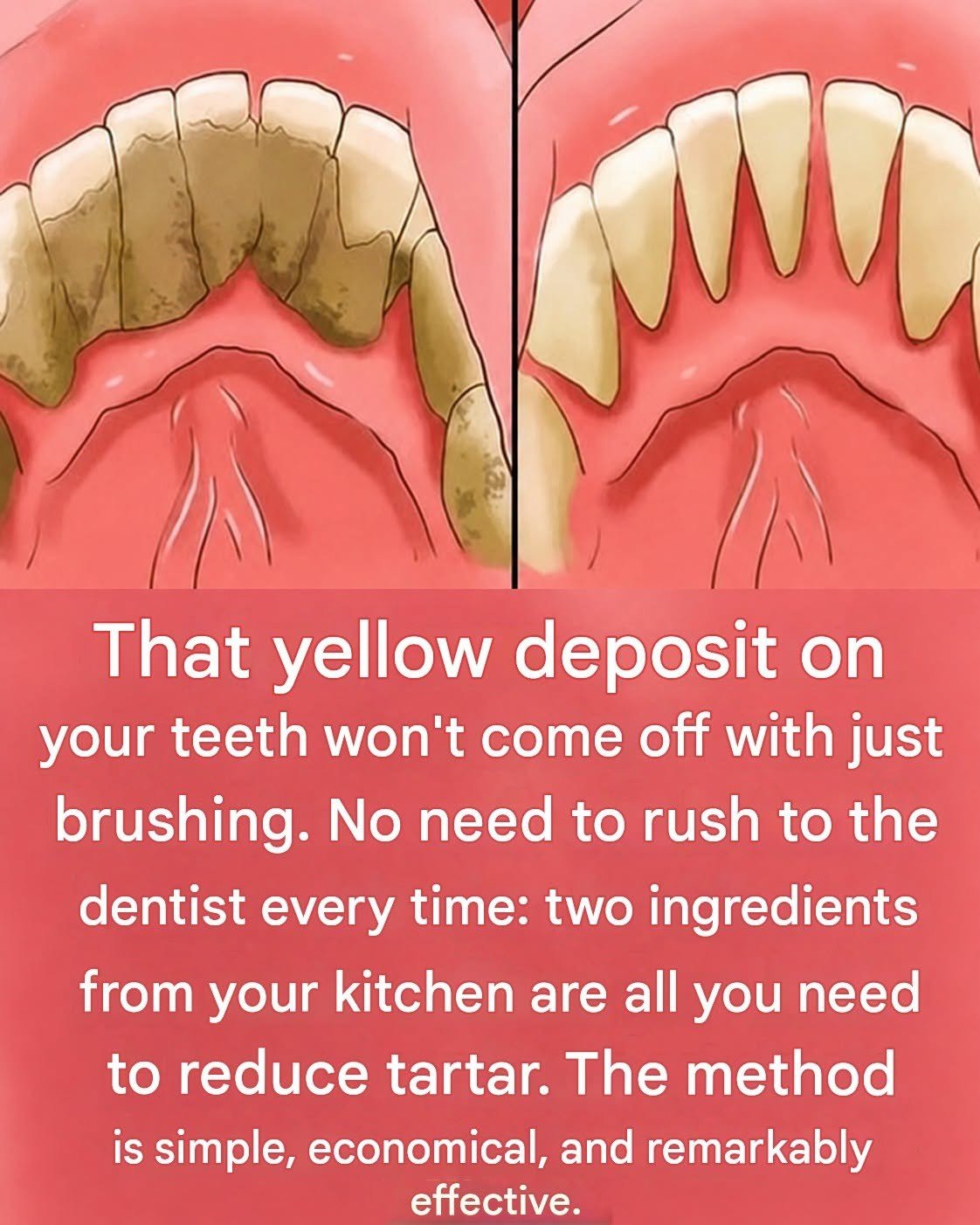
While maintaining rigorous daily oral hygiene is essential for preventing plaque from hardening into tartar, it is medically impossible to safely remove established, calcified tartar (calculus) at home.
Dentists and dental hygienists strongly advise against trying to scrape or pick tartar off your teeth yourself. Here is why DIY tartar removal is dangerous, followed by what you can safely do at home to protect your oral health.
Why DIY Tartar Removal Is Dangerous
Tartar is plaque that has mineralized and bonded tightly to the enamel of your teeth. Because it is as hard as concrete, attempting to remove it yourself using metal tools, pins, or scraping gadgets carries severe risks:
-
Permanent Enamel Damage: Scraping with hard metal instruments easily gouges, scratches, or cracks your tooth enamel, making teeth permanently more vulnerable to staining and decay.
-
Severe Gum Injury & Recession: Slip a tool even slightly, and you can severely lacerate your delicate gum tissue. Repeated trauma causes gums to permanently recede, exposing sensitive tooth roots.
-
Introducing Dangerous Infections: Non-sterile household tools push bacteria deep below the gumline, which can trigger painful abscesses, gingivitis, or advanced periodontal infections.
What You Can Do at Home (Prevention & Maintenance)
While you cannot remove hardened tartar without professional ultrasonic scaling tools, you can actively stop new plaque from forming and hardening:
-
Brush Twice Daily with a Sonic/Electric Toothbrush: Electric toothbrushes are clinically proven to remove significantly more plaque than manual brushing, preventing it from turning into tartar.
-
Floss Daily Without Exception: Tartar forms fastest between teeth where bristles cannot reach. Daily flossing disrupts plaque before minerals in your saliva can harden it.
-
Use an Antiseptic or Tartar-Control Mouthwash: Swishing with an antimicrobial rinse helps kill remaining bacteria and slow down plaque accumulation.
-
Consider Tartar-Control Toothpaste: These toothpastes contain chemical compounds like pyrophosphates or zinc citrate that help prevent minerals from binding to plaque on your teeth.
The Only Safe Solution: Professional Cleaning
The only way to safely and effectively remove existing tartar is to visit a dental professional. Using specialized ultrasonic scalers and manual curettes, a dental hygienist can shatter and remove hardened calculus from your teeth and below the gumline without harming your enamel or soft tissues.
