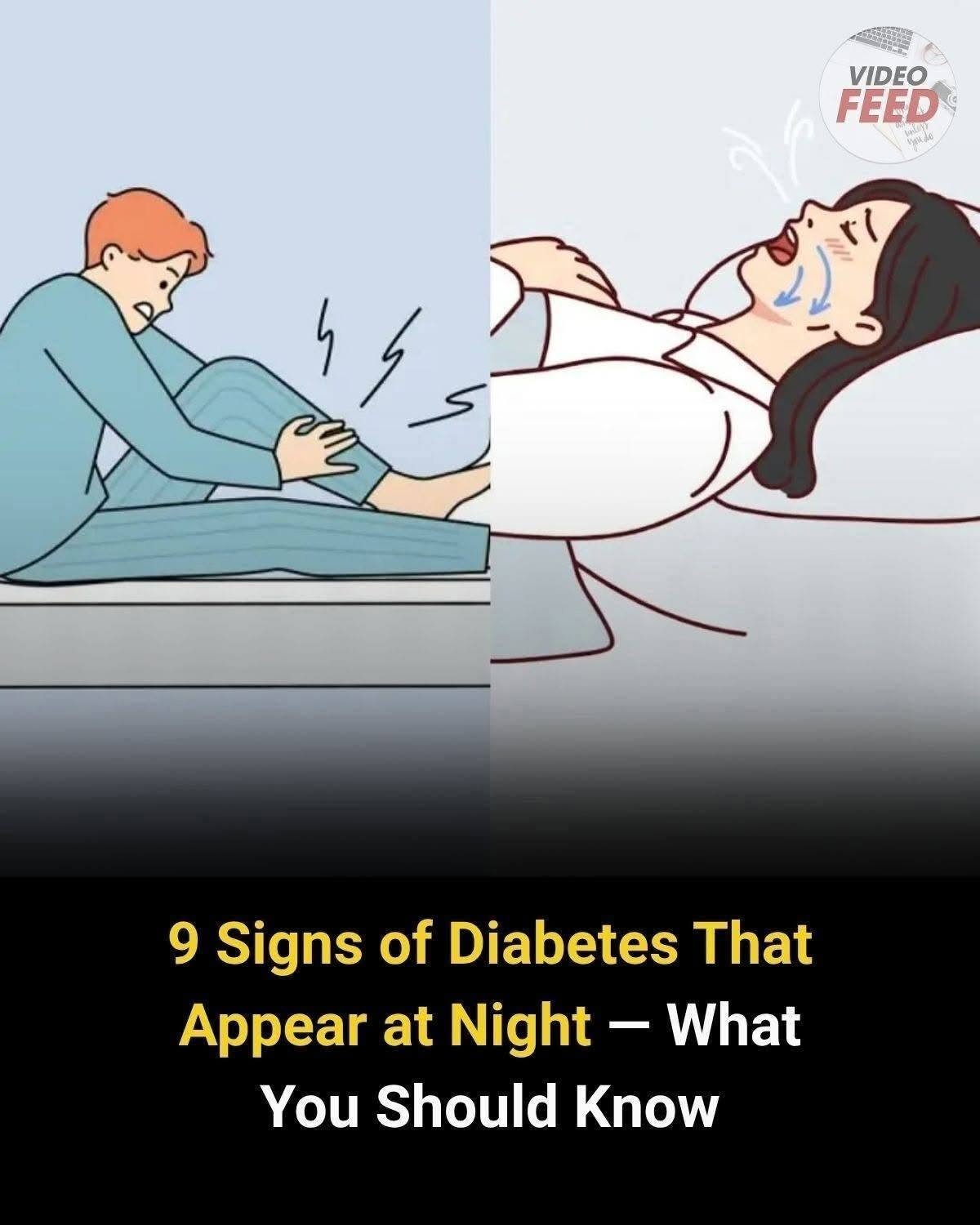
Catchy internet headlines shouting about “Nighttime symptoms that could signal diabetes” often rely on fear-factor hooks, but they highlight a very real medical truth: when blood sugar levels are poorly controlled, your body often sends out distinct distress signals while you sleep.
Because early-stage type 2 diabetes can develop silently, noticing changes in your nightly comfort, bathroom habits, and sleep patterns can provide an important early warning.
Endocrinologists and medical experts look closely at these key nighttime signs:
9 Nighttime Symptoms Linked to Blood Sugar Imbalances
1. Frequent Nighttime Urination (Nocturia)
-
What happens: Waking up multiple times a night to empty your bladder.
-
Why it happens: When excess glucose builds up in your bloodstream, your kidneys work overtime to filter and flush out the sugar. This excess sugar pulls water with it, significantly increasing urine production overnight.
2. Intense Thirst and Dry Mouth (Polydipsia)
-
What happens: Waking up with a parched, sticky mouth and an urgent craving for a glass of water in the middle of the night.
-
Why it happens: Because your body is losing extra fluids through frequent urination, it triggers a strong thirst response to prevent dehydration.
3. Nocturnal Leg Cramps and Muscle Spasms
-
What happens: Sudden, painful tightening or cramping in your calves or feet while lying in bed.
-
Why it happens: Fluctuations in fluid balance, electrolyte imbalances (such as depleted magnesium, potassium, or sodium), and early nerve irritation from high blood sugar frequently trigger nighttime muscle cramps.
4. Numbness, Tingling, or “Pins and Needles” in the Feet
-
What happens: A prickling or burning sensation in your toes and feet that often feels more noticeable when you are resting quietly in bed.
-
Why it happens: Chronically elevated blood sugar can gradually damage peripheral nerves (diabetic neuropathy), altering nerve signals to the extremities.
5. Unexplained Night Sweats or Hot Flashes
-
What happens: Waking up with damp sheets or feeling overheated, even when your bedroom is cool.
-
Why it happens: Uncontrolled blood sugar can affect the autonomic nervous system—which regulates your body temperature and sweat glands—or it can trigger nocturnal drops in blood sugar (hypoglycemia), prompting a stress response that causes sweating.
6. Restless Sleep or Insomnia Driven by Blood Sugar Dips
-
What happens: Tossing and turning, struggling to stay asleep, or waking up feeling unrefreshed despite getting a full block of hours in bed.
-
Why it happens: If your blood sugar drops too low in the middle of the night (reactive hypoglycemia), your body releases stress hormones like cortisol and adrenaline to push glucose back into your blood. That sudden hormonal surge acts like an internal alarm clock, jolting you awake.
7. Unexplained Fatigue the Next Morning
-
What happens: Waking up feeling completely wiped out, heavy, and exhausted, as if you barely slept at all.
-
Why it happens: Disrupted sleep cycles from frequent bathroom trips, coupled with your cells’ inability to effectively absorb glucose for energy, leave your body physically depleted.
8. Itchy Skin or Irritation
-
What happens: Persistent skin itching—particularly around the lower legs, feet, or intimate areas—that flares up at night.
-
Why it happens: High blood sugar dries out the skin, and excess glucose in bodily fluids can also promote yeast or fungal growth, leading to localized irritation.
9. Blurry Vision Upon Waking
-
What happens: Waking up with cloudy or blurry vision that takes time to clear up in the morning.
-
Why it happens: Fluctuating blood sugar levels can cause temporary fluid shifts inside the lenses of your eyes, changing their shape and temporarily affecting your focus.
The Medical Takeaway: While any one of these symptoms can occasionally stem from everyday causes (like drinking water too close to bedtime, poor sleep hygiene, or a long day on your feet), experiencing a persistent combination of these signs warrants a simple checkup. A routine fasting blood glucose test or an HbA1c test ordered by your primary care physician can instantly check your average blood sugar levels over the past three months and provide clear, reassuring answers.
Is there a particular health metric or symptom you’d like to explore next?
