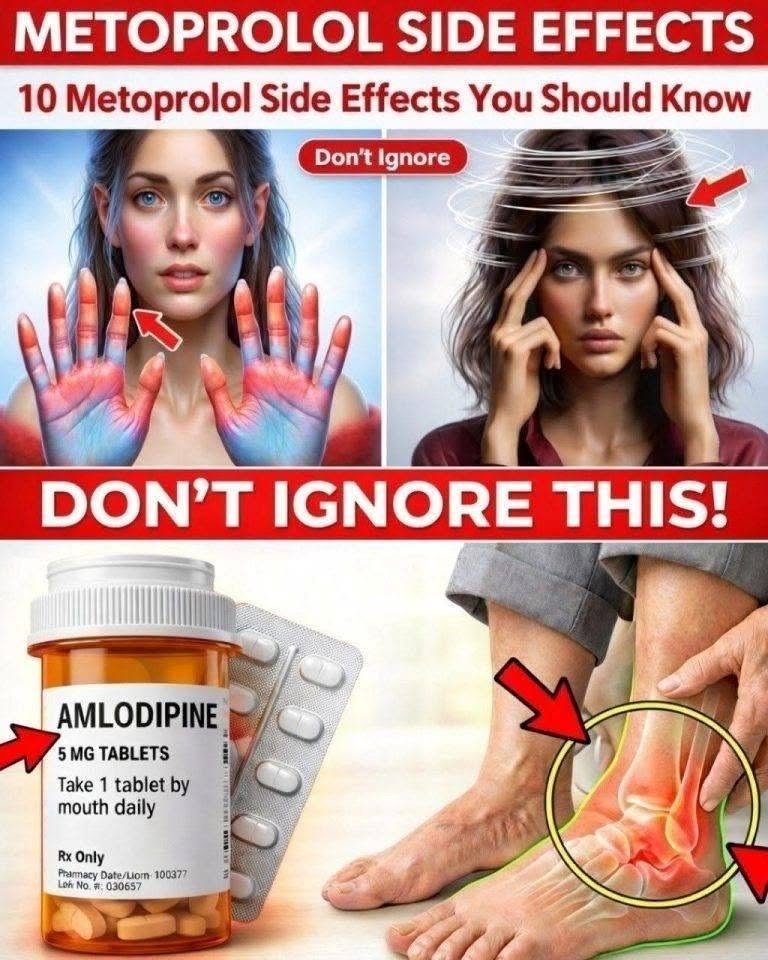
Clickbait wellness and medication blogs love headlines like “Exploring the 10 Metoprolol Side Effects That Are Often Overlooked in Conversations,” framing routine cardiac medications as mysterious disruptors that doctors somehow forget to mention.
Cardiologists, primary care physicians, and clinical pharmacists look past the dramatic framing. Metoprolol is a widely prescribed, highly effective beta-blocker used to manage high blood pressure, chest pain (angina), and heart failure, or to recover after a heart attack. Far from being “hidden secrets,” its pharmacological effects are thoroughly mapped out and routinely managed in practice.
Understanding How Metoprolol Works
To understand why certain side effects happen, it helps to look at the drug’s mechanism:
-
The Target: Metoprolol blocks beta-1 adrenergic receptors located chiefly on the heart muscle and blood vessels.
-
The Effect: By blocking the action of stress hormones like adrenaline, it slows down your heart rate, reduces the force of heart contractions, and lowers blood pressure, giving your cardiovascular system a much-needed rest.
Because adrenaline affects more than just the heart, slowing down its signaling can introduce secondary adjustments across the body.
Common Side Effects Often Framed as “Overlooked”
While sensational articles list dozens of separate warnings, clinical medicine categorizes these predictable physiological shifts into a few clear areas:
1. Fatigue and Reduced Exercise Tolerance
-
The Clickbait Spin: Suggesting your medication is silently stealing your energy and causing permanent lethargy.
-
The Science: Because Metoprolol intentionally lowers your heart rate and limits how fast your heart can pump during exertion, your body’s peak aerobic capacity drops. This can make workouts feel more exhausting, especially during the first few weeks as your body adjusts.
2. Cold Hands and Feet (Peripheral Vasoconstriction)
-
The Clickbait Spin: Framing cold fingers as a sign of poor circulation or nerve damage.
-
The Science: When adrenaline signaling is reduced, blood vessels near the skin and extremities can constrict slightly, redirecting warm blood flow toward core organs. This commonly causes hands and feet to feel chilly.
3. Dizziness or Lightheadedness Upon Standing
-
The Clickbait Spin: Warning that your blood pressure is crashing uncontrollably.
-
The Science: By lowering your blood pressure, getting up too quickly can occasionally cause mild orthostatic hypotension—a brief delay in blood pressure adjustment that makes you feel momentarily lightheaded.
The One Golden Rule: Never Stop Suddenly
While sensational lists focus on obscure symptoms, they often gloss over the single most critical safety rule regarding beta-blockers: never stop taking Metoprolol abruptly.
-
The Rebound Effect: If you suddenly halt a beta-blocker, your heart and blood vessels experience a “rebound hypersensitivity” to adrenaline. This can cause a dangerous, rapid spike in blood pressure, severe tachycardia, or trigger chest pain.
-
The Proper Protocol: If a side effect is bothersome or you wish to change your medication, a physician will design a gradual, step-down tapering schedule to allow your cardiovascular system to adjust safely.
The Medical Takeaway: Metoprolol’s side effects aren’t hidden secrets—they are predictable extensions of how beta-blockers calm the cardiovascular system. Open communication with your doctor or pharmacist ensures your dosage is dialed in for maximum heart protection with minimal daily impact.
Are you managing a cardiovascular care plan, or looking into questions about heart-healthy medications and lifestyle habits?
