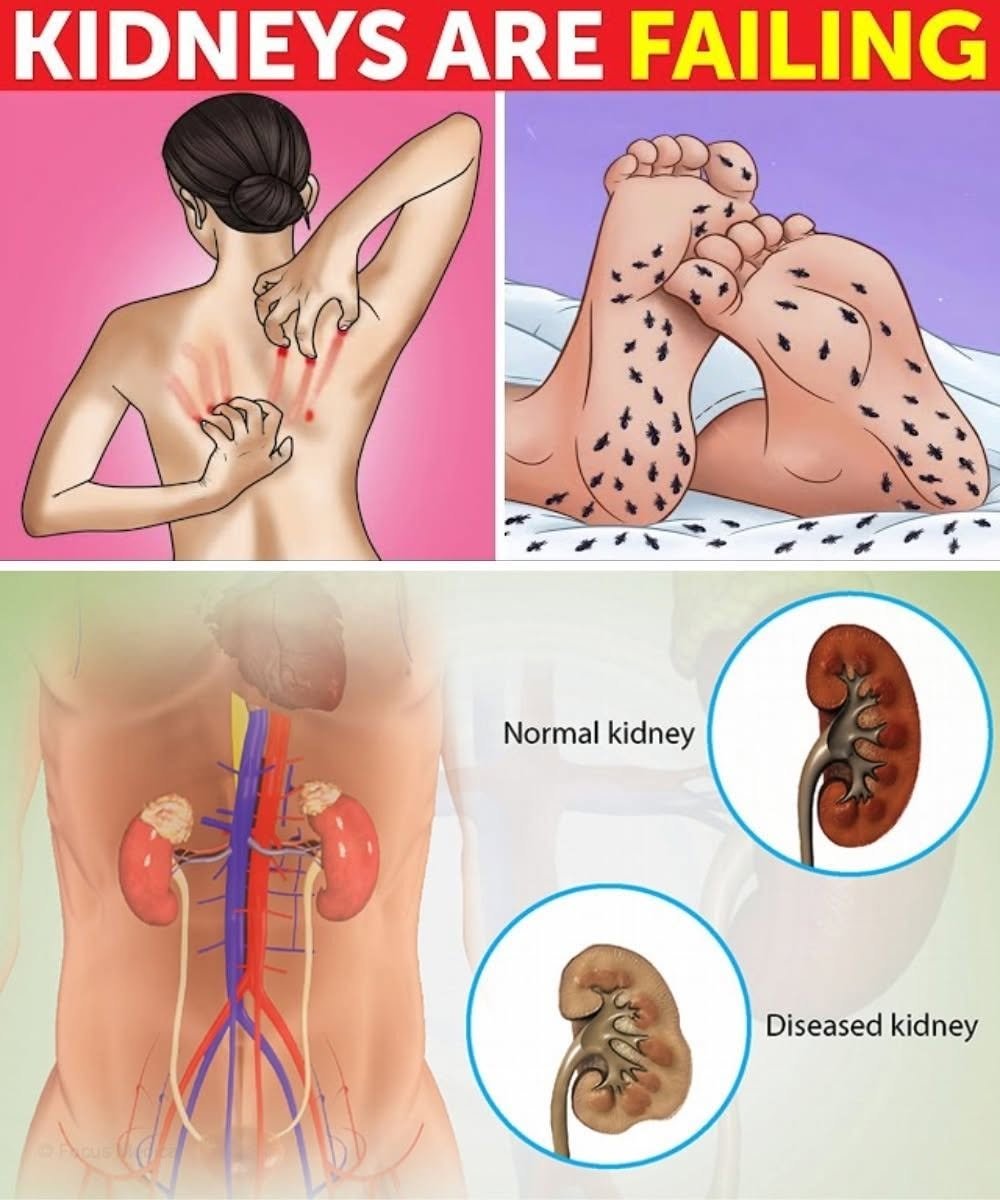
Chronic Kidney Disease (CKD) is often called a “silent condition” because it can progress through multiple stages before triggering unmistakable warning signs. However, when kidney filtration drops significantly and waste products accumulate in the bloodstream, the body sounds the alarm in very specific ways.
13 Alarming Signs That Warrant Medical Attention
-
1. Pitting Edema (Severe Swelling in Legs and Ankles): When kidneys can no longer efficiently remove extra sodium and water, fluid pools in the lower extremities, leaving a temporary indent when pressed.
-
2. Persistent Foamy Urine (Proteinuria): A heavy layer of bubbles or froth in the toilet that looks like beaten egg whites, indicating that large amounts of protein are leaking through damaged filters.
-
3. Extreme, Debilitating Fatigue: Driven by failing production of the hormone erythropoietin (EPO), resulting in severe anemia and a constant lack of oxygen to tissues.
-
4. Waking Up with Puffy Eyes (Periorbital Edema): Pronounced swelling around the eyes, particularly in the morning, caused by protein loss and fluid shifts overnight.
-
5. Unrelenting, Deep Skin Itching (Pruritus): Severe itching caused by imbalances in blood minerals—primarily a dangerous buildup of phosphorus—that standard lotions cannot fix.
-
6. Shortness of Breath: Can occur due to fluid backing up into the lungs or from severe, untreated anemia making the heart and lungs work harder.
-
7. A Metallic Taste and Uremic Breath: A buildup of nitrogen waste (urea) alters taste buds, causes food to taste unpleasant (especially meat), and creates a distinct chemical or ammonia-like smell on the breath.
-
8. Sudden or Worsening High Blood Pressure: The kidneys play a master role in controlling blood pressure; when damaged, they trigger vascular constriction that worsens hypertension.
-
9. Severe Nausea, Vomiting, and Loss of Appetite: Advanced accumulation of toxins (uremia) irritates the digestive tract, completely destroying hunger cues.
-
10. Frequent Nighttime Urination (Nocturia): Having to get up multiple times throughout the night because the kidneys have lost their ability to concentrate urine.
-
11. Painful Muscle Cramps: Severe electrolyte shifts—particularly involving calcium, potassium, and magnesium—trigger intense nighttime cramps, usually in the calves.
-
12. Confusion, Brain Fog, or Trouble Concentrating: Circulating toxins and reduced oxygen supply to the brain can cause cognitive dullness, memory slips, or disorientation.
-
13. Blood in the Urine (Hematuria): Visible pink, red, or dark tea-colored urine indicating that blood cells are actively leaking through compromised kidney filters.
Are You at Risk?
Certain health profiles drastically increase the likelihood of developing chronic kidney issues:
-
Diabetes: The leading cause of kidney disease due to high blood sugar damaging delicate filtering units.
-
High Blood Pressure: Puts constant, high-pressure strain on the blood vessels inside the kidneys.
-
Family History: A genetic predisposition to kidney disorders or polycystic kidney disease.
-
Age 60 and Older: Natural age-related shifts in vascular and renal efficiency.
What You Should Do
If you are experiencing a combination of these signs—especially if you manage high blood pressure or diabetes—do not wait. A standard blood test (Serum Creatinine and calculated eGFR) and a simple urine test (Urinalysis for albumin/protein) provide a clear, definitive picture of your kidney health.
Do you have routine metabolic panels checked regularly by your doctor, or are you currently monitoring any specific health markers like blood pressure or blood sugar?
