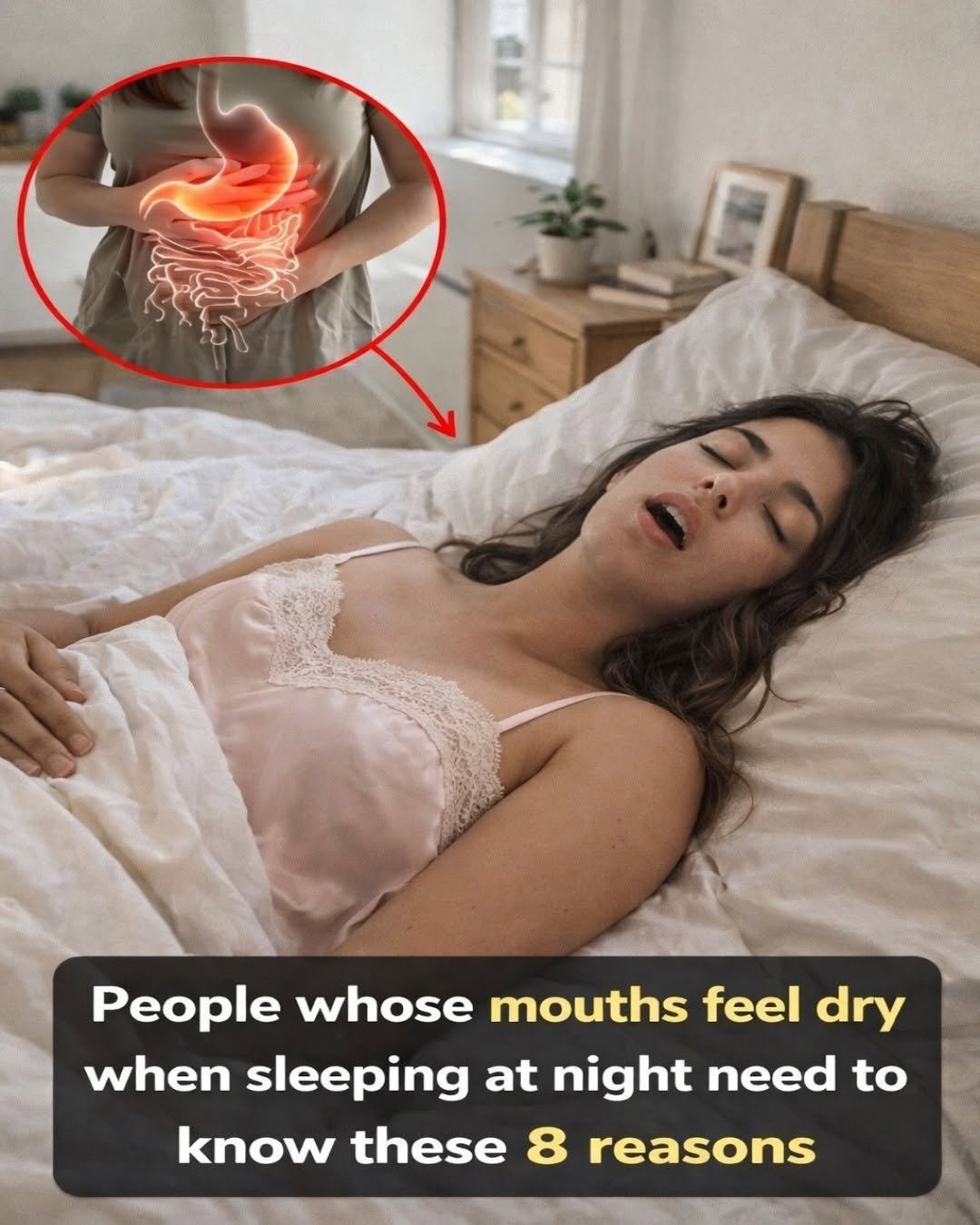
Waking up in the middle of the night or first thing in the morning with an intensely dry, sticky mouth and throat can make it feel like you just swallowed dust. Clinically known as xerostomia, nighttime dry mouth is more than just an annoying discomfort—it is often a signal from your body about how you are breathing or processing fluids while you sleep.
The Most Common Culprits Behind Nighttime Dry Mouth
-
1. Nocturnal Mouth Breathing (The Number One Cause):
-
What happens: If your nasal passages are blocked due to allergies, a deviated septum, sinus congestion, or sleep apnea, your body naturally switches to breathing through your mouth while you sleep.
-
The effect: Constant airflow over the oral mucosa causes saliva to evaporate rapidly, leaving your teeth, tongue, and throat completely parched by morning.
-
-
2. Medication Side Effects:
-
What happens: Hundreds of commonly prescribed and over-the-counter medications—including antihistamines, decongestants, blood pressure drugs (like diuretics), antidepressants, and anxiety medications—list dry mouth as a primary side effect.
-
The effect: These drugs can directly inhibit the salivary glands from producing adequate moisture overnight.
-
-
3. Evening Lifestyle Factors:
-
Consuming alcohol, salty foods, or caffeinated beverages late in the evening acts as a double-whammy: they contribute to mild systemic dehydration and reduce salivary flow.
-
Why Chronic Dry Mouth Matters
Saliva isn’t just for swallowing; it is your mouth’s natural defense system. It neutralizes acids, washes away food particles, and fights harmful bacteria. When your mouth stays dry all night, it significantly increases the risk of tooth decay, gum inflammation, and chronic bad breath.
Practical Strategies for Relief
-
Address Nasal Airflow: If you have a stuffy nose or allergies, using a saline nasal spray, a nasal dilator strip, or running a cool-mist humidifier in your bedroom can encourage natural nasal breathing.
-
Stay Hydrated (Strategically): Keep a small glass of water by your bed for nighttime sips, but avoid gulping huge amounts right before sleep if you are also trying to minimize nighttime bathroom trips.
-
Review Your Medications: If you take daily medications and notice severe dryness, talk to your doctor or pharmacist about adjusting the timing (e.g., taking them in the morning instead of at night) or exploring alternative options.
-
Avoid Alcohol-Based Mouthwashes: Use a moisturizing mouthwash specifically formulated for dry mouth rather than harsh commercial rinses that strip moisture away.
Do you usually notice dry mouth after sleeping with your mouth open, or is it something that tends to flare up depending on the season or room environment?
