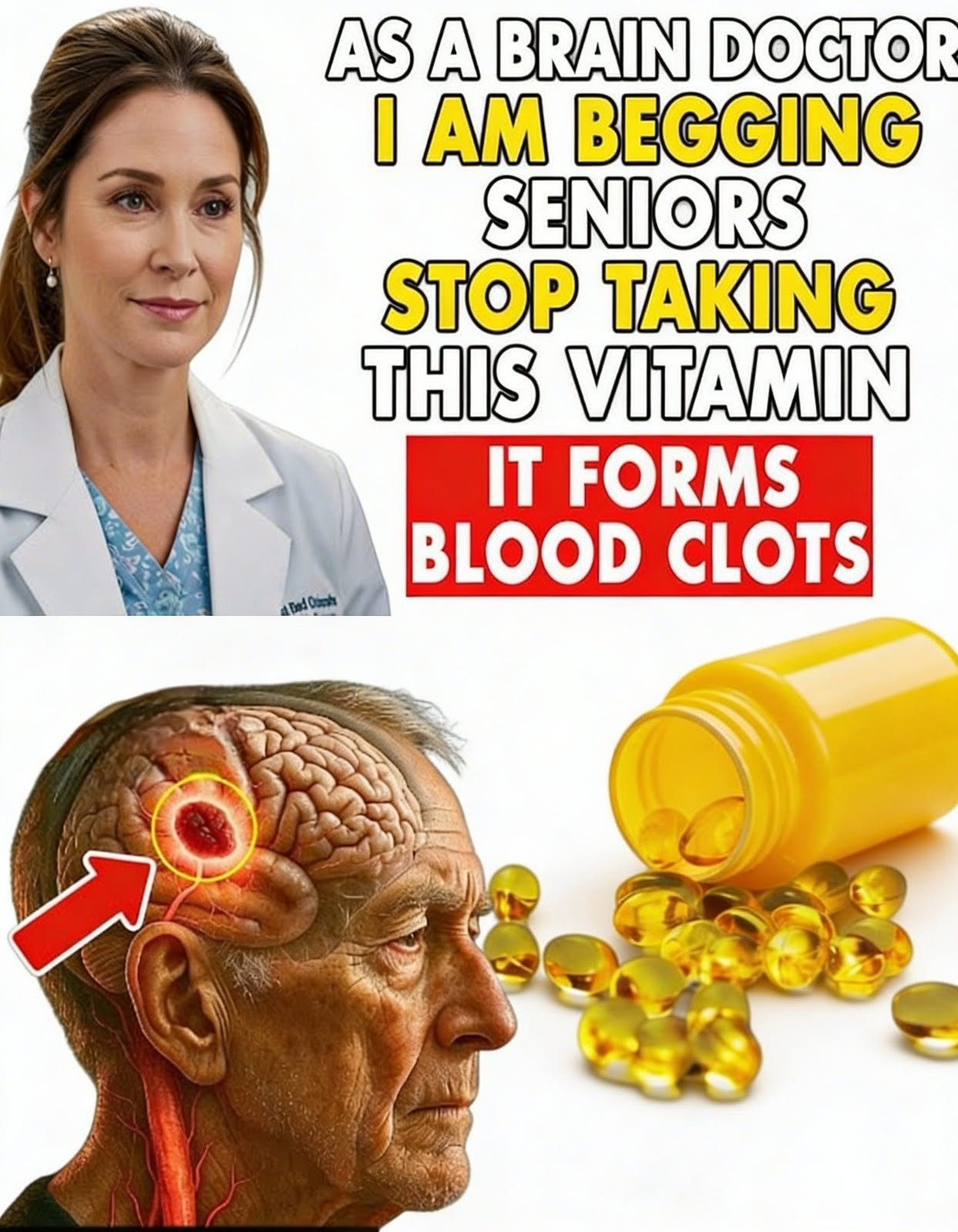
Sensationalized medical clickbait frequently weaponizes authoritative personas—such as dramatic claims from a “brain doctor” or “neurology expert”—to frighten seniors into clicking on headlines warning that a common, everyday vitamin will cause a stroke or heart attack overnight.
From a clinical and neurological standpoint, no standard dietary vitamin causes a stroke overnight. These alarmist hooks typically distort complex biochemical research or misrepresent rare high-dose toxicity to manufacture fear.
How These Clickbait Claims Twist the Science
Articles of this nature usually follow a predictable playbook to distort legitimate medical concepts:
-
1. The “Homocysteine / B-Vitamin” Misrepresentation:
-
The Real Science: Researchers study how elevated levels of an amino acid called homocysteine can be associated with an increased risk of blood vessel damage over time. Because B-vitamins (like B6, B12, and folate) help break down homocysteine, early hypotheses suggested taking high-dose B-vitamin supplements would dramatically prevent strokes.
-
The Twist: Large-scale, randomized clinical trials involving tens of thousands of patients eventually showed that while B-vitamins successfully lowered blood homocysteine numbers, they did not magically reduce stroke or heart attack rates. Clickbait sites take this nuanced trial data and flip it into an exaggerated, terrifying claim that vitamins are secretly triggering strokes.
-
-
2. The “Overnight” Impossibility:
-
Strokes are acute vascular events caused by ischemia (a blocked blood vessel in the brain) or hemorrhage (a ruptured blood vessel), usually stemming from chronic hypertension, atherosclerosis, atrial fibrillation, or diabetes. No vitamin or supplement can dynamically alter cerebrovascular architecture or cause a stroke “overnight.”
-
What Genuine Neurology Stresses for Stroke Prevention
Neurologists focus on proven, evidence-based lifestyle factors that genuinely protect cerebrovascular health over the long term:
-
Blood Pressure Control: Hypertension is the single greatest modifiable risk factor for stroke. Keeping blood pressure within a healthy target range relieves continuous stress on fragile cerebral arteries.
-
Managing Atrial Fibrillation: Detecting and properly treating irregular heart rhythms prevents blood clots from forming in the heart and traveling up to the brain.
-
Vascular Risk Management: Maintaining healthy blood glucose levels, avoiding smoking, limiting excessive alcohol, and engaging in regular cardiovascular and resistance exercise.
Do you find that sensationalized health warnings on social media make it harder to figure out what is actually safe and beneficial for your health?
