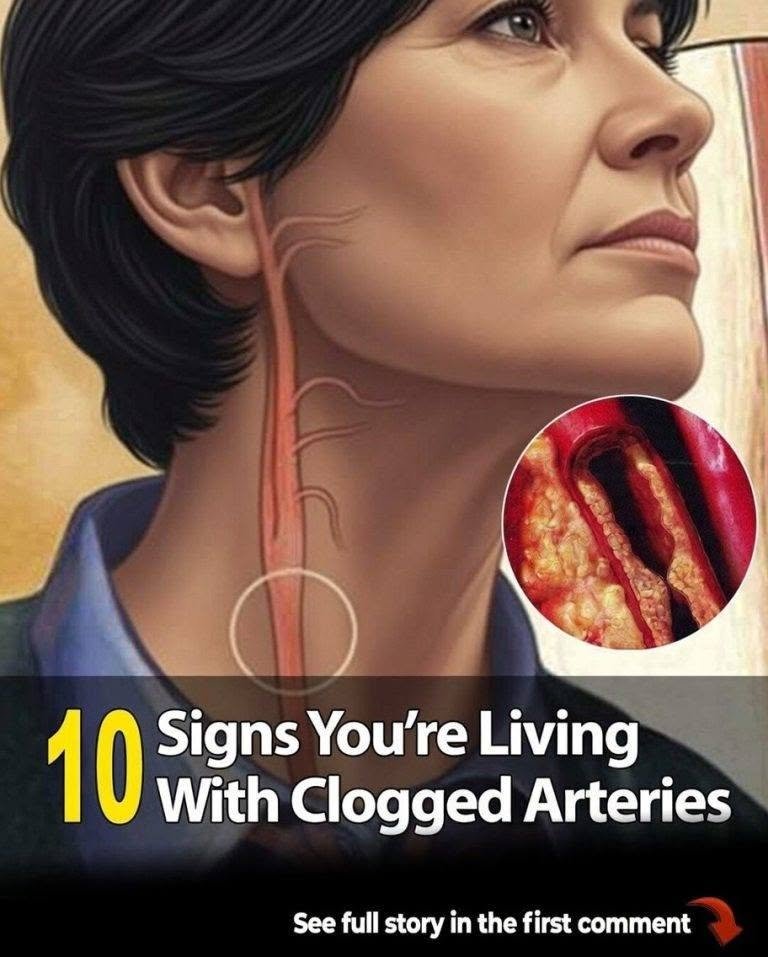
When sensationalized health articles warn about 10 indicators of blocked arteries you shouldn’t ignore, they often rely on alarming language to describe conditions like atherosclerosis—the progressive buildup of plaques (cholesterol, fat, calcium, and cellular waste) inside the arterial walls.
While clickbait headlines use fear to drive traffic, recognizing the legitimate warning signs of restricted arterial blood flow (ischemia) is genuinely vital for preventing serious cardiovascular events like heart attacks and strokes.
Let’s cut through the hyperbole, examine what clinical science actually identifies as signs of arterial blockage, and look at how different circulation pathways signal distress.
Understanding the Mechanism: Where Plaque Builds Up
Arterial blockages do not happen in isolation. Atherosclerosis is systemic, meaning plaque can accumulate in the coronary arteries (heart), carotid arteries (brain), peripheral arteries (legs), or renal arteries (kidneys). The symptoms depend entirely on where the blood supply is being restricted.
The 10 Indicators of Arterial Blockage
1. Exertional Chest Pain or Pressure (Angina)
-
What It Indicates: Coronary artery narrowing.
-
The Clinical Sign: A heavy, squeezing, or tight discomfort in the chest that occurs during physical exertion or emotional stress and typically subsides with rest. This happens when the heart muscle demands more oxygenated blood than narrowed coronary arteries can deliver.
2. Shortness of Breath During Routine Activities
-
What It Indicates: Impaired cardiac pumping efficiency or coronary ischemia.
-
The Clinical Sign: Feeling winded from light activities like walking up a single flight of stairs or carrying groceries. When the heart cannot pump effectively, pressure increases in the pulmonary circulation, causing fluid backup in the lungs.
3. Intermittent Claudication (Painful, Cramping Legs While Walking)
-
What It Indicates: Peripheral Artery Disease (PAD)—blockages in the arteries supplying the legs.
-
The Clinical Sign: A dull, cramping, or aching pain in the calves, thighs, or buttocks that consistently triggers during walking or exercise and rapidly resolves with rest.
4. Coldness, Numbness, or Color Changes in the Lower Extremities
-
What It Indicates: Severe peripheral circulation restriction.
-
The Clinical Sign: One leg or foot feeling noticeably colder to the touch than the other, pale or bluish skin tone (cyanosis), or weak pulses in the feet.
5. Slow-Healing Wounds or Sores on the Feet or Toes
-
What It Indicates: Advanced peripheral vascular disease.
-
The Clinical Sign: Cuts, scrapes, or ulcers on the lower legs and feet that take weeks or months to heal, or progress to tissue breakdown (gangrene), because restricted blood flow starves tissues of the oxygen and nutrients needed for cellular repair.
6. Transient Ischemic Attacks (TIAs) or “Mini-Strokes”
-
What It Indicates: Carotid artery blockage (narrowing of the main blood vessels supplying the brain).
-
The Clinical Sign: Sudden, temporary weakness or numbness on one side of the body, temporary loss of vision in one eye (amaurosis fugax), or slurred speech. A TIA is a major medical warning sign of an impending stroke.
7. Unexplained Fatigue and Dizziness
-
What It Indicates: Reduced systemic cardiac output or cerebral hypoperfusion.
-
The Clinical Sign: Overwhelming, persistent exhaustion from normal daily tasks, or sudden lightheadedness caused by the heart or narrowed carotid arteries failing to maintain steady blood flow to the brain.
8. Erectile Dysfunction (ED)
-
What It Indicates: Early endothelial dysfunction and systemic vascular disease.
-
The Clinical Sign: Persistent difficulty achieving or maintaining an erection. Because penile arteries have a much smaller diameter than coronary arteries (1–2 mm vs. 3–4 mm), plaque accumulation manifests there years before a heart attack occurs, making ED an important early cardiovascular warning sign.
9. A Carotid Bruit (An Audible Whooshing Sound in the Neck)
-
What It Indicates: Turbulent blood flow through a partially blocked carotid artery.
-
The Clinical Sign: While you usually cannot hear this yourself, a physician using a stethoscope over the carotid artery in the neck may hear an abnormal swishing sound (bruit), indicating significant plaque buildup.
10. Sudden Unexplained Nausea, Sweating, or Palpitations
-
What It Indicates: Acute myocardial distress (silent or impending heart attack).
-
The Clinical Sign: Breaking out in a cold sweat, feeling sudden nausea, or experiencing racing, irregular heartbeats without physical exertion. This is especially common in older adults and women experiencing atypical cardiac ischemia.
Proactive Steps: How to Evaluate and Protect Your Arteries
-
Know Your Numbers: Regular clinical screenings—including lipid panels (LDL, HDL, triglycerides), blood pressure checks, and fasting blood glucose—provide an objective baseline of your vascular health.
-
Diagnostic Screening: If peripheral or coronary artery disease is suspected, physicians can utilize non-invasive tests such as an ankle-brachial index (ABI), carotid ultrasound, or a coronary artery calcium (CAC) scan to visualize plaque burden directly.
-
Lifestyle Synergy: Arterial health is heavily influenced by diet (focusing on soluble fiber, omega-3 fatty acids, and minimizing ultra-processed foods), regular aerobic exercise, smoking cessation, and blood pressure management.
