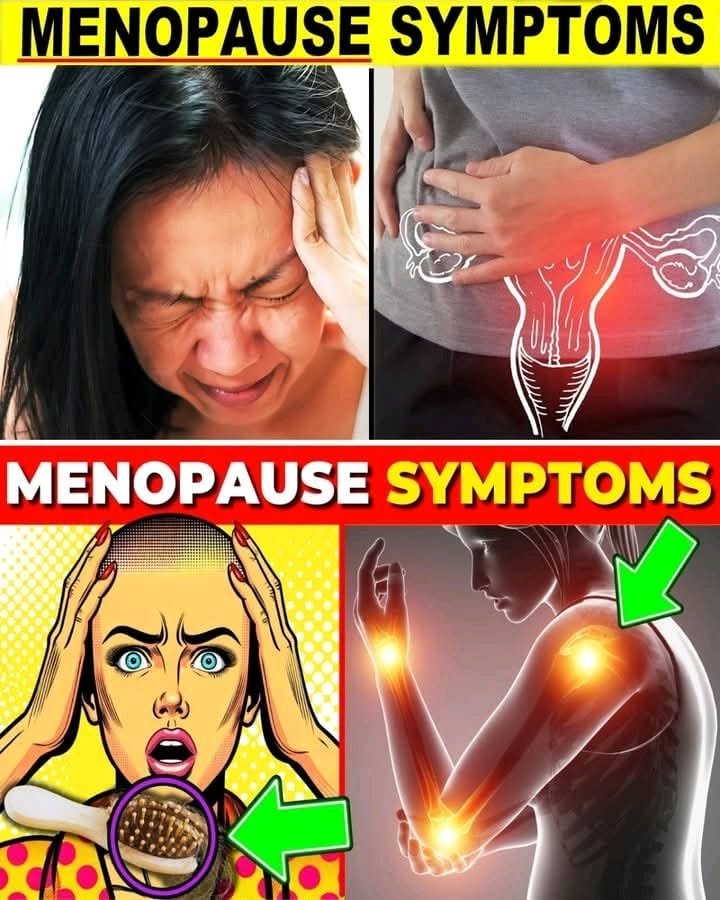
When sensationalized health articles shout about “9 signs you’re actually going through menopause!” they often frame a completely normal, natural biological transition as a sudden medical mystery. While entering perimenopause and menopause brings undeniable physical changes, understanding what is actually happening in your body helps replace internet panic with clinical clarity.
Let’s cut through the clickbait hyperbole and examine what clinical medicine defines as the hallmark signs of the menopausal transition.
Understanding the Transition: Perimenopause vs. Menopause
-
Perimenopause: The transitional phase leading up to menopause, often lasting anywhere from 4 to 8 years. Ovaries gradually begin to produce less estrogen and progesterone, triggering the majority of physical symptoms.
-
Menopause: Clinically defined as a single point in time: 12 consecutive months without a menstrual period.
The 9 Clinical Signs of the Menopausal Transition
1. Irregular Menstrual Cycles (The Hallmark Sign)
-
What Happens: As estrogen and progesterone fluctuate unpredictably, your periods often change first. Cycles may become shorter, longer, heavier, lighter, or skip months entirely before stopping altogether.
2. Vasomotor Symptoms (Hot Flashes and Night Sweats)
-
What Happens: Sudden feelings of intense heat, typically concentrated in the face, neck, and chest, often accompanied by flushing and sweating. Night sweats are simply hot flashes that occur during sleep, which can severely disrupt rest.
3. Sleep Disturbances and Insomnia
-
What Happens: Beyond nighttime waking from night sweats, hormonal shifts directly impact sleep architecture, making it harder to fall asleep or stay asleep through the night.
4. Mood Changes, Irritability, and Anxiety
-
What Happens: Fluctuating estrogen levels influence neurotransmitters in the brain (like serotonin) that regulate mood. Many women experience increased irritability, mood swings, anxiety, or mild depressive symptoms during this window.
5. Vaginal Dryness and Discomfort (Genitourinary Syndrome of Menopause)
-
What Happens: Declining estrogen causes the vaginal tissues to become thinner, drier, and less elastic, which can lead to discomfort, itching, or pain during intercourse.
6. Cognitive Shifts (“Brain Fog” and Memory Lapses)
-
What Happens: Difficulty concentrating, temporary word-finding lapses, or feeling mentally “foggy” are frequently reported during perimenopause due to estrogen’s effects on cerebral blood flow and neurological function.
7. Fatigue and Decreased Energy Levels
-
What Happens: Chronic sleep disruption combined with metabolic and hormonal shifts often results in persistent daytime fatigue and lower baseline energy.
8. Changes in Body Composition and Weight Distribution
-
What Happens: Declining estrogen and natural aging slow down resting metabolic rate and promote a shift in fat storage away from the hips and thighs toward the abdomen.
9. Joint and Muscle Aches (Arthralgia)
-
What Happens: Estrogen has anti-inflammatory properties in the body. As levels drop, many women experience new or worsening stiffness, aches, and joint discomfort, particularly in the hands, knees, and hips.
Actionable Steps: How to Navigate the Transition
-
Track Your Symptoms: Keep a symptom diary noting cycle changes, sleep quality, and hot flash frequency to share with your healthcare provider.
-
Consult a Healthcare Professional: You do not have to “just live with it.” Modern gynecology offers a wide range of evidence-based options—ranging from lifestyle adjustments and targeted supplements to hormone replacement therapy (HRT)—tailored to your health history.
-
Prioritize Strength and Nutrition: Incorporating regular resistance training, adequate calcium and vitamin D, and heart-healthy whole foods helps mitigate changes in bone density and metabolism.
