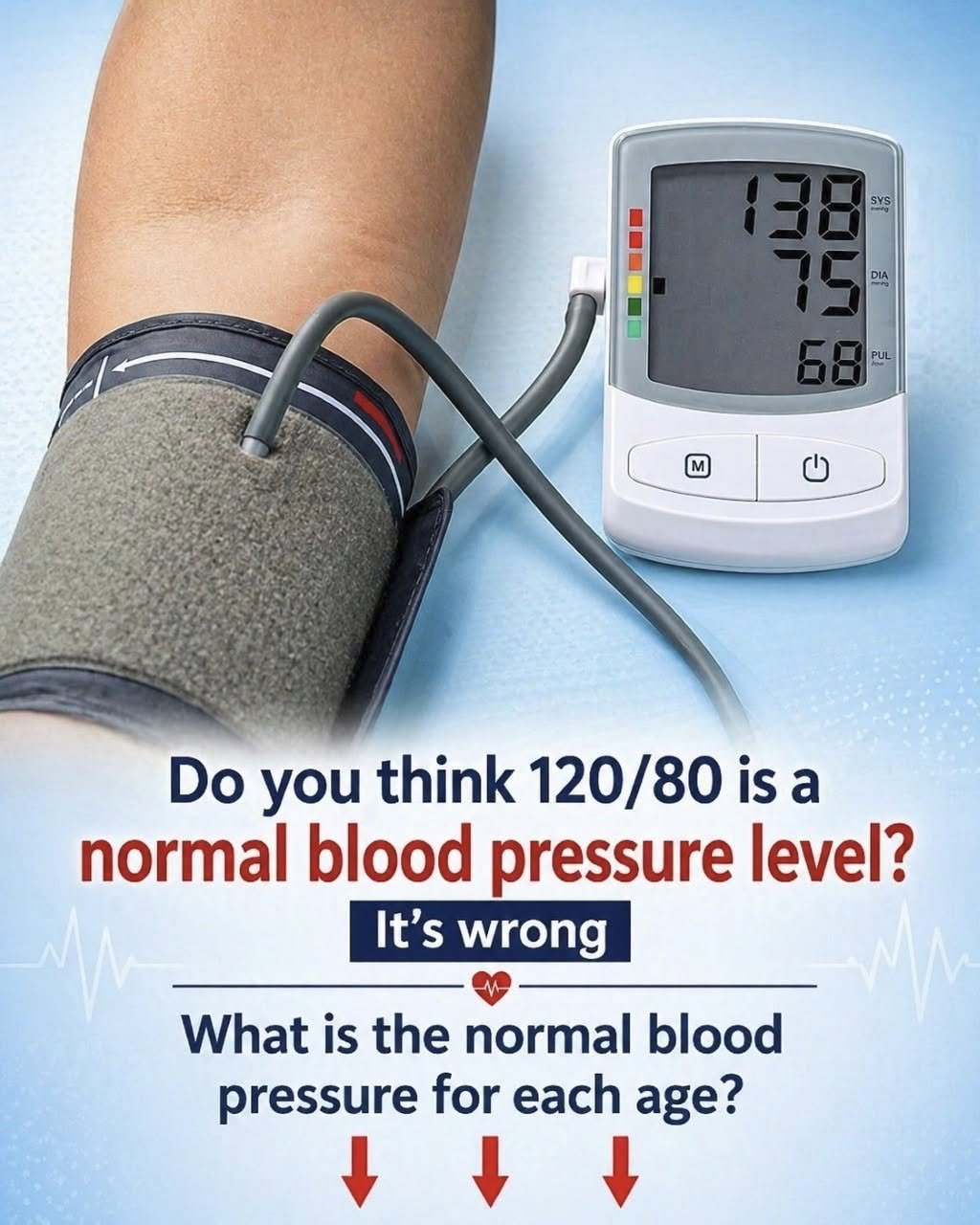
When health guides ask “What is normal blood pressure for your age?”, they often imply that acceptable blood pressure readings drift significantly higher the older you get. While it is true that average blood pressure tends to rise with age due to natural arterial stiffening, clinical guidelines do not give older adults a free pass on high blood pressure.
Let’s cut through the confusion, examine the current medical consensus on blood pressure categories across different life stages, and look at what the numbers actually mean for your cardiovascular health.
The Clinical Reality: Do Blood Pressure Targets Change with Age?
For decades, many people believed the old adage that “your normal systolic pressure is 100 plus your age.” Modern cardiology and geriatric medicine have firmly disproven this. Uncontrolled high blood pressure puts the exact same strain on your heart, brain, and kidneys whether you are 30 or 80.
However, treatment thresholds and management strategies in older adults are nuanced:
-
The General Standard: The American College of Cardiology (ACC) and American Heart Association (AHA) define normal blood pressure for adults as less than 120/80 mmHg.
-
Individualized Care in Advanced Age: For frail older adults or those with a high risk of dizziness and falls, physicians may sometimes set a slightly more flexible target to prevent hypotension (dangerously low blood pressure) when standing up, but hypertension is never considered “normal” simply due to aging.
Blood Pressure Categories (AHA/ACC Guidelines)
Blood pressure is measured in two numbers: systolic (pressure when the heart beats, the top number) over diastolic (pressure when the heart rests between beats, the bottom number).
| Category | Systolic (Top) | Diastolic (Bottom) | Clinical Meaning | |
| Normal | Less than 120 | and | Less than 80 | Optimal cardiovascular health. Maintain healthy habits. |
| Elevated | 120–129 | and | Less than 80 | Not yet high, but at risk of developing hypertension if unaddressed. |
| Stage 1 Hypertension | 130–139 | or | 80–89 | Requires lifestyle changes and a discussion with your doctor. |
| Stage 2 Hypertension | 140 or higher | or | 90 or higher | High priority for medical management and lifestyle modification. |
| Hypertensive Crisis | Higher than 180 | and/or | Higher than 120 | Medical Emergency! Seek immediate emergency care. |
Understanding the Numbers: Systolic vs. Diastolic
-
Systolic Pressure (Top Number): As we age, the large arteries (like the aorta) naturally lose some of their elasticity and become stiffer. This causes the systolic pressure to rise, which is why isolated systolic hypertension (high top number with a normal bottom number) is the most common form of high blood pressure in adults over 60.
-
Diastolic Pressure (Bottom Number): Reflects the pressure in your arteries when your heart rests between beats. Interestingly, diastolic pressure often rises through middle age and then tends to plateau or even decline slightly in later life.
Actionable Steps: How to Monitor and Manage Blood Pressure
-
Measure Correctly at Home: Ensure you use a validated upper-arm cuff (avoid wrist or finger monitors, which are less reliable). Sit quietly with your feet flat on the floor and your arm supported at heart level for 5 minutes before taking a reading.
-
Prioritize Lifestyle Foundations: Regular aerobic exercise (like brisk walking), reducing sodium intake, maintaining a healthy weight, and limiting alcohol intake have a powerful, proven ability to lower blood pressure naturally.
-
Partner with Your Healthcare Provider: If your readings consistently trend into Stage 1 or Stage 2 hypertension, work with your doctor to create a management plan—which may include lifestyle changes, home tracking logs, or safe, modern antihypertensive medications.
