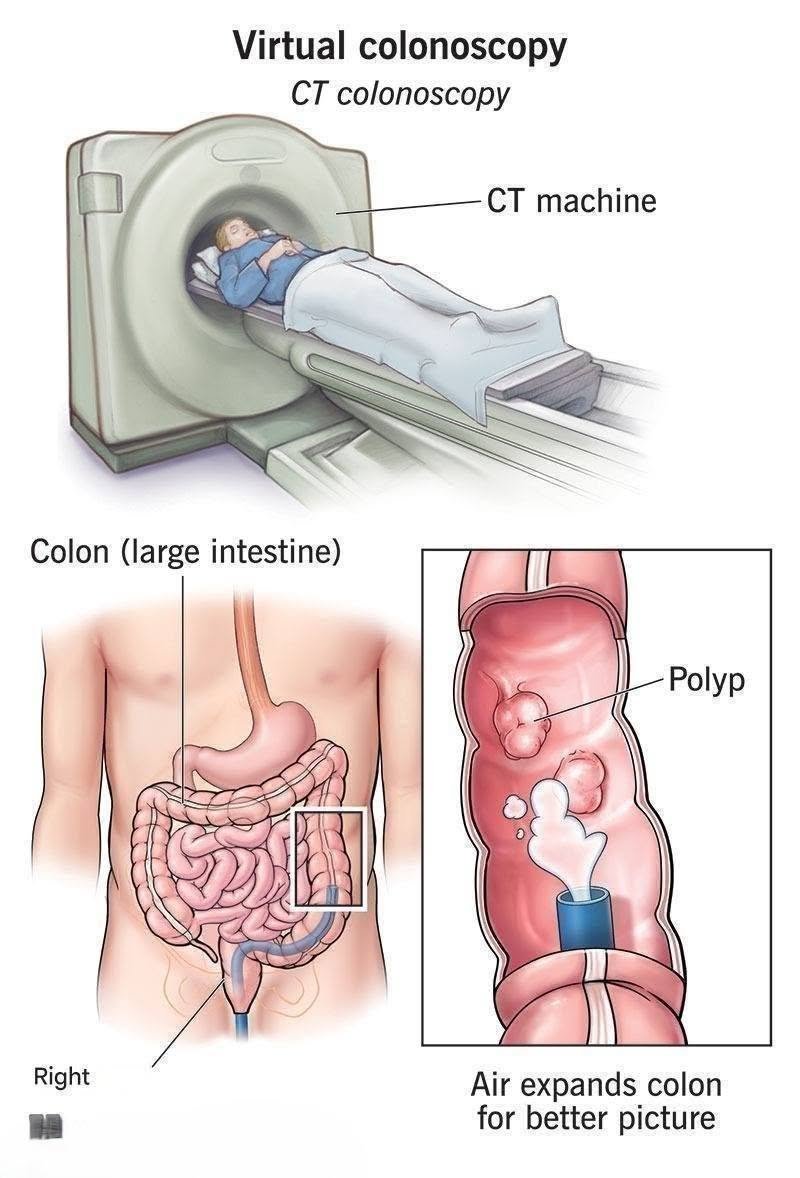
When sensationalized health headlines proclaim that “a new method means colonoscopies will no longer be an invasive examination,” they are capitalizing on a common anxiety. Let’s be completely clear upfront: there is currently no non-invasive medical method that can entirely replace a diagnostic or therapeutic colonoscopy.
While medical technology has advanced significantly—offering wonderful non-invasive screening tools for average-risk individuals—a traditional colonoscopy remains the gold standard because it allows a gastroenterologist to not only view the entire colon lining in high definition but also immediately remove precancerous polyps and take tissue biopsies.
Let’s cut through the clickbait hype, examine what these “new methods” actually are, and understand when non-invasive tests are appropriate versus when an invasive procedure is mandatory.
The Reality of Modern Colonoscopy Alternatives
When articles talk about non-invasive “replacements” for colonoscopies, they are typically referring to colorectal cancer screening tests, not direct visual examinations of the bowel. These fall into two main categories:
1. Stool-Based Tests (e.g., FIT, Cologuard)
-
What They Do: Tests like the Fecal Immunochemical Test (FIT) check for hidden blood in the stool, while multi-target stool DNA tests (like Cologuard) look for both blood and altered DNA shed by polyps or cancer cells.
-
The Benefit: They are entirely non-invasive, requiring only a simple kit completed at home.
-
The Catch: They are screening tools, not diagnostic tools. If a stool test comes back positive, you must follow up with a traditional, invasive colonoscopy to find the source of the bleeding or remove the polyp. Furthermore, they have a higher rate of missing small or early-stage precancerous growths compared to a direct scoping.
2. Virtual Colonoscopy (CT Colonography)
-
What It Is: An advanced computerized tomography (CT) scan that uses specialized X-rays and software to produce 2D and 3D images of the colon.
-
The Benefit: It avoids sedation and the physical scope insertion.
-
The Catch:
-
It still requires the exact same rigorous bowel preparation (drinking the cleansing laxative solution) as a standard colonoscopy.
-
It involves radiation exposure.
-
If a polyp or abnormality is found, you still have to undergo a standard colonoscopy to remove it or biopsy it. You essentially end up needing the invasive procedure anyway.
-
Why a Traditional Colonoscopy Remains Essential
While prepping for a colonoscopy and undergoing the procedure is admittedly inconvenient and requires sedation, it offers unique clinical advantages that non-invasive tests cannot match:
-
Simultaneous Prevention: It is the only screening method that is both preventative and therapeutic. If the doctor spots a polyp (adenoma), they remove it right then and there during the procedure, stopping it from ever turning into cancer.
-
Complete Visualization: The gastroenterologist can visualize the entire length of the large intestine, whereas alternative scans can sometimes miss flat or small polyps.
Who Needs a Screening Colonoscopy?
For average-risk adults, current clinical guidelines recommend beginning routine colorectal cancer screenings at age 45. If you have a family history of colon cancer or inflammatory bowel disease, your doctor may recommend starting earlier or utilizing a direct colonoscopy over a stool test.
