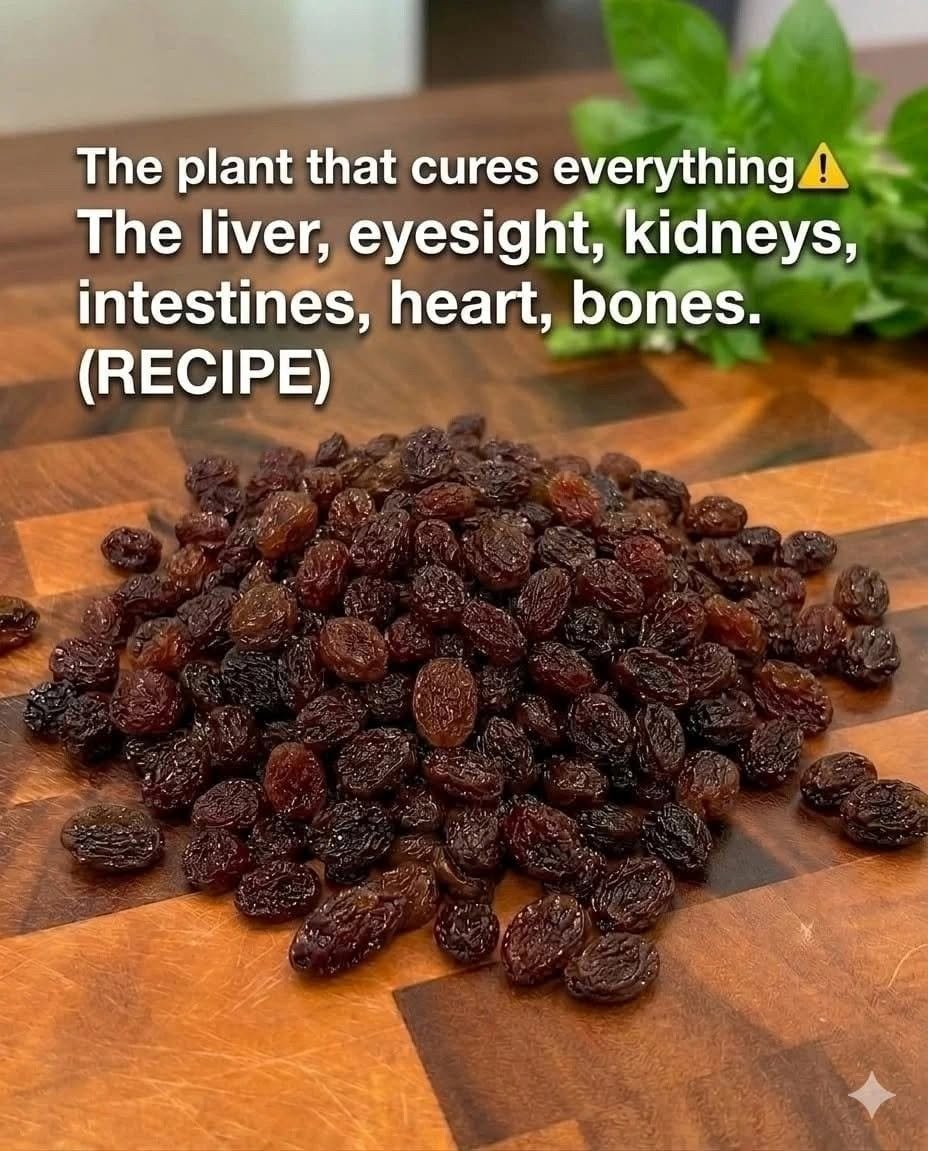
When wellness videos or viral articles promise a “miracle plant that cures everything—liver, eyesight, kidneys, intestines, heart, and bones”—frequently featuring kitchen staples like ginger, turmeric, flaxseeds, or tropical botanicals like Moringa—they are relying on a classic clickbait formula.
While many of these plants contain genuinely beneficial nutrients, antioxidants, or anti-inflammatory compounds, no single plant or kitchen remedy can function as a universal cure-all for every organ system in the body.
Let’s cut through the sensationalized hype, examine what these popular plants can actually do from a clinical perspective, and look at why the human body requires specialized, multi-faceted care.
Why the “Cures Everything” Claim Is a Myth
-
Biological Complexity: The human body is made up of vastly different organ systems—from the electrical conduction pathways of the heart to the filtration units of the kidneys and the structural matrix of bones. Each system faces distinct physiological challenges (such as autoimmune conditions, genetic predispositions, mechanical wear, and infectious agents) that a dietary plant extract cannot selectively reverse.
-
The “Bioavailability” Hurdle: Even if a plant compound demonstrates powerful antioxidant or anti-inflammatory properties in a petri dish or laboratory setting, it doesn’t mean eating a spoonful of it will target a specific organ. Once digested, many active compounds are broken down by the liver and digestive tract long before they can exert a therapeutic effect on distant tissues like your bones or retinas.
What Popular “Miracle” Plants Actually Do
Many plants highlighted in these viral remedies—such as Moringa, turmeric, and flaxseeds—are nutritional powerhouses, but their real-world benefits are specific and modest:
-
Moringa (Moringa oleifera): Often dubbed the “miracle tree”, its leaves are rich in vitamins A and C, calcium, and plant-based antioxidants. Clinical studies suggest it can help support general nutritional status, possess mild anti-inflammatory properties, and assist in managing oxidative stress. However, it does not cure liver disease, restore failing kidneys, or reverse vision loss.
-
Turmeric and Ginger: Both contain potent bioactive compounds (like curcumin and gingerols) that help modulate inflammatory pathways in the body. They are fantastic culinary additions that can complement an anti-inflammatory lifestyle, particularly for joint discomfort, but they are not pharmaceutical cures.
-
Flaxseeds & Seeds: Packed with alpha-linolenic acid (an omega-3 fatty acid) and soluble fiber, they excel at supporting digestive regularity, promoting gut health, and helping maintain healthy cholesterol levels.
Supporting Your Organs: Evidence-Based Realities
Instead of searching for a single botanical silver bullet, protecting your vital organ systems requires targeted, evidence-based lifestyle habits:
-
For the Heart and Blood Pressure: Prioritize regular aerobic exercise, manage sodium intake, avoid smoking, and monitor your blood pressure regularly.
-
For the Liver: Limit excess alcohol consumption, maintain a healthy weight to prevent non-alcoholic fatty liver disease (NAFLD), and avoid unnecessary, unregulated herbal supplements that can actually stress liver enzymes.
-
For the Kidneys: Stay adequately hydrated, keep blood pressure and blood sugar tightly controlled (as hypertension and diabetes are the leading causes of kidney damage), and avoid chronic overuse of NSAID pain relievers.
-
For Bones: Ensure adequate daily intake of calcium and Vitamin D, engage in weight-bearing resistance exercise, and undergo recommended bone density screenings as you age.
-
For Eyesight: Protect your eyes from UV damage with sunglasses, eat a diet rich in leafy greens and colorful vegetables (which provide lutein and zeaxanthin for retinal health), and get routine dilated eye exams.
