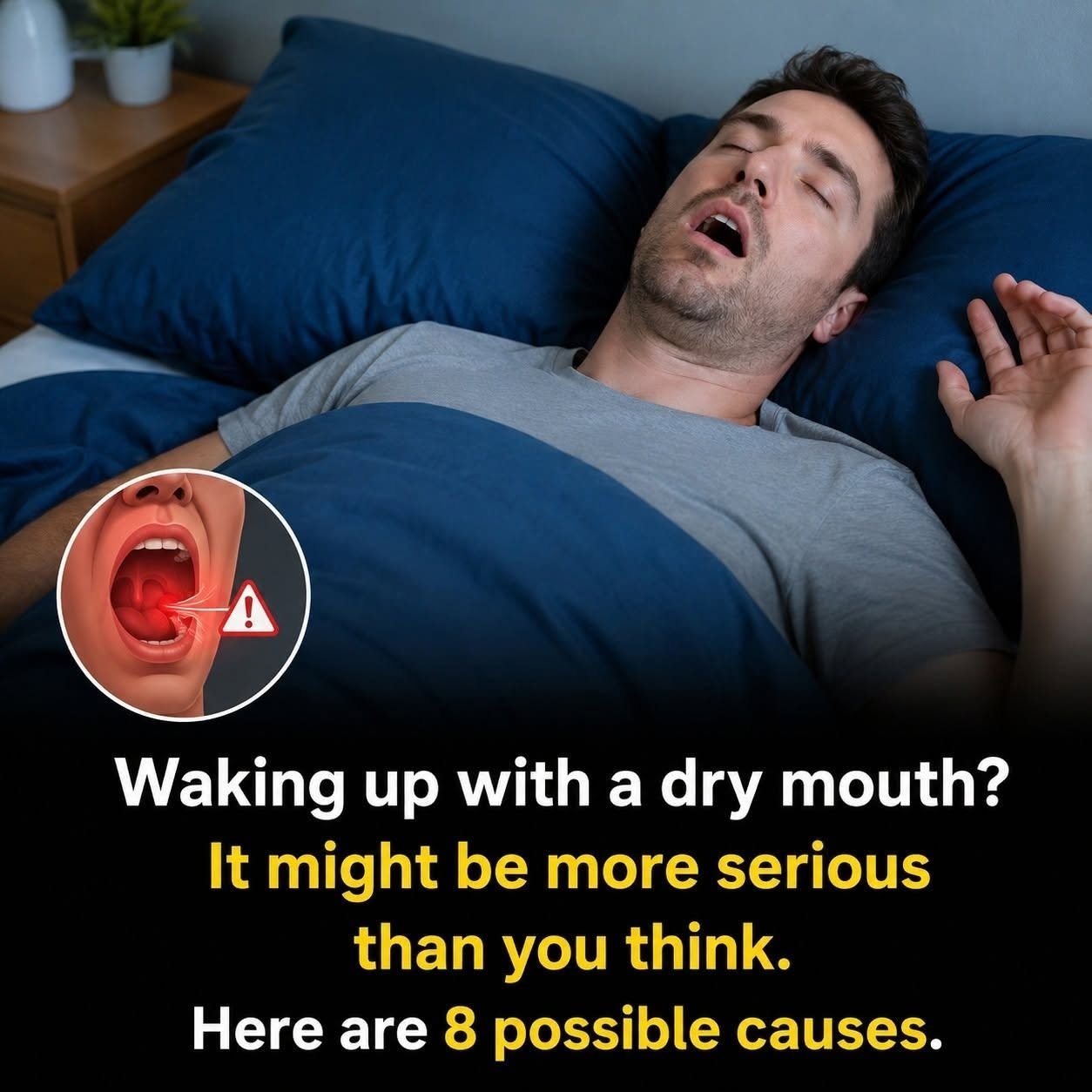
When sensationalized wellness articles warn about “dry mouth at night and 8 warning signs you shouldn’t ignore,” they often use alarming language to turn a common nighttime annoyance into a medical emergency. While chronic dry mouth—known clinically as xerostomia—deserves attention because saliva plays a crucial role in protecting your oral health, understanding the physiological reality helps replace internet panic with practical solutions.
Let’s cut through the hyperbole, examine why dry mouth happens specifically at night, and look at the real signs that warrant a professional dental or medical evaluation.
The Biological Reality: Why Does Saliva Matter?
Saliva is far more than just moisture; it is a vital protective fluid for your mouth.
-
Its Job: Saliva neutralizes acids produced by bacteria, washes away food particles, remineralizes tooth enamel, and keeps oral tissues lubricated and infection-free.
-
Why Nighttime Is Different: When you sleep, your salivary glands naturally slow down production to a fraction of their daytime output. If you also breathe through your mouth (due to a stuffy nose, allergies, or sleep apnea), that airflow rapidly evaporates what little moisture remains, leading to waking up with a parched, sticky mouth.
Common Causes of Nocturnal Dry Mouth
Before looking at warning signs, it helps to understand what usually triggers nighttime dryness:
-
Mouth Breathing: The single most common cause of waking up with a dry mouth.
-
Medications: Hundreds of prescription and over-the-counter drugs—including antihistamines, blood pressure medications, antidepressants, and diuretics—list dry mouth as a primary side effect.
-
Dehydration: Inadequate fluid intake throughout the day.
-
Natural Aging: While aging alone does not cause dry mouth, older adults are much more likely to take multiple medications that dry out mucosal tissues.
8 Warning Signs / Symptoms Associated with Chronic Dry Mouth
When dry mouth becomes persistent and chronic rather than just an occasional morning annoyance, your oral and systemic health begins to reflect the lack of protective saliva. Pay attention to these eight clinical indicators:
-
Persistent Burning Sensation: A chronic prickling, burning, or stinging feeling on your tongue, palate, or inside your cheeks.
-
Trouble Swallowing, Speaking, or Tasting: Without adequate lubrication, moving food around, swallowing dry items, or tasting subtle flavors becomes noticeably difficult.
-
Cracked, Split Lips and Sores: Chronically dry oral tissues lead to painful cracking at the corners of the mouth (angular cheilitis) or raw, irritated mucosal sores.
-
A Sticky, Thick Saliva Texture: Saliva that feels stringy, foamy, or unusually gluey rather than watery and smooth.
-
Chronic Bad Breath (Halitosis): Because saliva isn’t washing away bacteria and dead cells, odor-causing bacteria multiply rapidly overnight, leading to persistent morning breath that doesn’t resolve with basic brushing.
-
A Grooved, Red, or Shiny Tongue: The tongue may lose its normal texture, appearing unnaturally smooth, red, or deeply fissured from chronic dehydration of the tissue.
-
Rapidly Increasing Cavities (Tooth Decay): Without saliva’s mineral defenses, teeth are left defenseless against plaque acids, often resulting in sudden, new cavities forming near the gumline.
-
Frequent Sore Throats or Hoarseness: Chronic mouth breathing dries out the pharynx and vocal cords, leading to a scratchy throat every morning.
Actionable Strategies to Manage Nighttime Dry Mouth
If you frequently wake up with a parched mouth, several simple, evidence-based habits can protect your teeth and restore comfort:
-
Breathe Through Your Nose: Address nasal congestion with saline rinses, allergy management, or consulting an ENT if structural issues (like a deviated septum) cause chronic mouth breathing.
-
Use a Bedside Humidifier: Adding moisture back into your bedroom air prevents your oral tissues from drying out rapidly while you sleep.
-
Stay Hydrated and Sip Water: Keep a glass of water by your bed to take small sips if you wake up dry. Avoid sugary or acidic drinks, which damage teeth in the absence of saliva.
-
Practice Good Oral Hygiene: Because dry mouth increases cavity risk, use a fluoride toothpaste, consider an antimicrobial or fluoride mouthwash designed for dry mouth, and maintain regular dental check-ups.
-
Review Medications with Your Doctor: If a prescription drug is causing severe dry mouth, your physician may be able to adjust the dosage or switch to an alternative medication.
