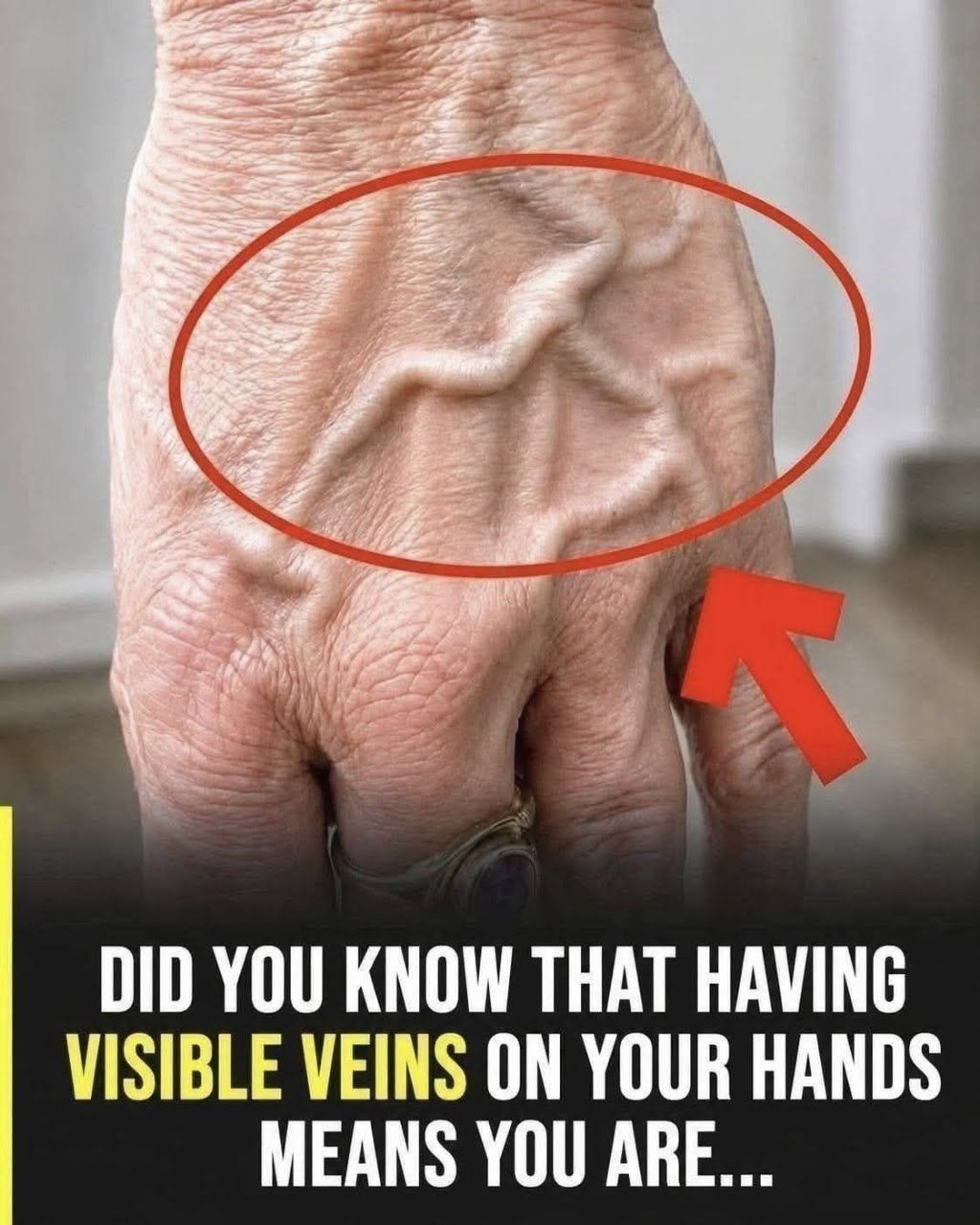
When wellness myths or social media videos claim that “having visible veins means you are [insert dramatic claim here],” they are usually trying to sell a supplement, a fitness routine, or simply playing on curiosity.
Let’s cut through the internet speculation and examine what visible veins actually mean from a clinical and anatomical perspective.
The Clinical Reality: Why Are Veins Visible?
Having visible veins does not mean one single thing. In medicine, the visibility of your veins depends on a combination of anatomy, genetics, and physiology.
Here are the primary reasons why veins show through the skin:
1. Low Body Fat Percentage
-
The Reality: This is the most common reason for pronounced veins in healthy people. Subcutaneous fat sits right beneath the skin like a blanket. When a person has a lower percentage of body fat, that blanket is thinner, making superficial veins much easier to see, especially on the arms, hands, and legs.
2. Genetics and Skin Tone
-
The Reality: Fairer skin tones naturally make veins appear more prominent or bluish-green because light penetrates the skin differently. Furthermore, genetic factors dictate how close your superficial veins lie to the surface of your skin and how thick your vein walls are.
3. Increased Blood Pressure and Muscle Pump (Temporary)
-
The Reality: During physical exercise, your muscles require more oxygen-rich blood. Your heart pumps faster, blood pressure rises, and blood vessels dilate (widen) to accommodate the increased blood flow. At the same time, working muscles push veins closer to the skin’s surface, making them pop out temporarily.
4. Aging and Skin Thinning
-
The Reality: As people age, the skin naturally loses collagen, elasticity, and subcutaneous fat, particularly on the hands and forearms. This thinning of the skin makes veins more noticeable over time, which is a normal part of the aging process.
5. Varicose Veins (When Visible Veins Signal a Medical Issue)
-
The Reality: While normal superficial veins are flat, smooth, and painless, varicose veins are a different medical story. Varicose veins are enlarged, twisted, and swollen veins that usually appear on the legs. They occur when tiny one-way valves inside the veins weaken or fail, causing blood to pool backward rather than flowing smoothly up toward the heart.
When Should Visible Veins Concern You?
Normal, healthy visible veins (such as those seen in athletes, fair-skinned individuals, or older adults) are entirely harmless. However, you should consult a doctor or vascular specialist if visible veins are accompanied by clinical red flags, such as:
-
Aching, heavy, or throbbing pain in your legs, especially after standing for long periods.
-
Swelling (edema) in your lower legs, ankles, or feet.
-
Skin discoloration, dryness, or ulcers near the ankle.
-
A vein that feels hard, warm, tender, or painful to the touch (which can indicate superficial phlebitis or a blood clot).
