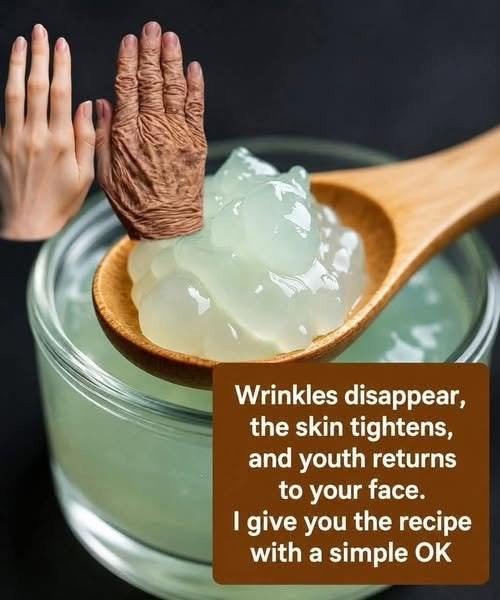
When sensationalized beauty ads and viral video clips promise that “wrinkles disappear, skin tightens, and youth returns to your face,” they are selling the ultimate modern fantasy: the fountain of youth in a jar, a magical kitchen ingredient, or a quick-fix hack.
Let’s cut through the marketing hype, examine how human skin actually ages from a dermatological perspective, and look at what science can—and cannot—achieve when it comes to skin rejuvenation.
The Clinical Reality: Can Wrinkles Truly Disappear?
In dermatology, aging skin is a natural biological process driven by two distinct mechanisms:
-
Intrinsic Aging: The natural, genetically programmed slowdown of cellular turnover, collagen production, and oil gland activity that happens to everyone over time.
-
Extrinsic Aging: Environmental damage caused by ultraviolet (UV) radiation from the sun (photoaging), pollution, smoking, and lifestyle factors, which breaks down the structural scaffolding of the skin.
Because wrinkles and loss of elasticity are structural changes deep within the dermis (involving the degradation of collagen and elastin fibers), no topical cream, food, or viral hack can make wrinkles completely “disappear” or reverse time entirely. While skincare can significantly improve skin texture, hydration, and fine lines, it cannot restructure sagging facial tissues or undo decades of cumulative sun damage overnight.
Debunking Common Anti-Aging Myths
-
The “Miracle Cream” Myth: Over-the-counter moisturizers can plump the skin temporarily by trapping water in the surface layers (acting as humectants and emollients), which temporarily softens the appearance of fine lines. However, they do not permanently eliminate deep wrinkles.
-
The “Collagen Drink” Myth: Ingested collagen supplements are broken down by your digestive system into basic amino acids just like any other protein. Your body decides where those amino acids go—they don’t magically travel straight to your face to fill in crow’s feet.
-
The “Natural Kitchen Hack” Myth: Applying lemon juice, baking soda, or raw egg whites to your face often causes contact dermatitis, chemical burns, or severe irritation rather than tightening or smoothing the skin.
Evidence-Based Dermatology: What Actually Works
While you cannot stop aging or erase deep wrinkles without advanced clinical interventions, dermatology has proven methods for protecting skin and improving its appearance and texture:
-
Daily Broad-Spectrum Sunscreen (SPF 30 or Higher):
-
Why It Matters: Up to 80% of visible facial aging (wrinkles, hyperpigmentation, loss of firmness) is caused by UV exposure. Wearing sunscreen daily is the single most effective anti-aging intervention known to science.
-
-
Topical Retinoids (Retinol, Tretinoin):
-
Why It Matters: Vitamin A derivatives are the gold standard in topical dermatology. They accelerate cellular turnover and stimulate fibroblasts in the dermis to produce new collagen, gradually smoothing fine lines and improving skin texture.
-
-
Medical-Grade Hydration (Hyaluronic Acid and Ceramides):
-
Why It Matters: Well-hydrated skin reflects light better and looks plump. Hyaluronic acid draws moisture into the skin, while ceramides repair the protective skin barrier.
-
-
Antioxidants (Vitamin C Serum):
-
Why It Matters: Topical antioxidants neutralize unstable molecules called free radicals generated by pollution and UV rays, preventing them from breaking down existing collagen.
-
When to Consult a Board-Certified Dermatologist
If you are looking for significant improvements in skin tightening, deep wrinkles, or loss of facial volume, over-the-counter topicals have their limits. Dermatologists use targeted clinical procedures—such as prescription-strength retinoids, chemical peels, microneedling, laser resurfacing, or neuromodulators (like Botox)—to safely manage signs of aging with evidence-based precision.
