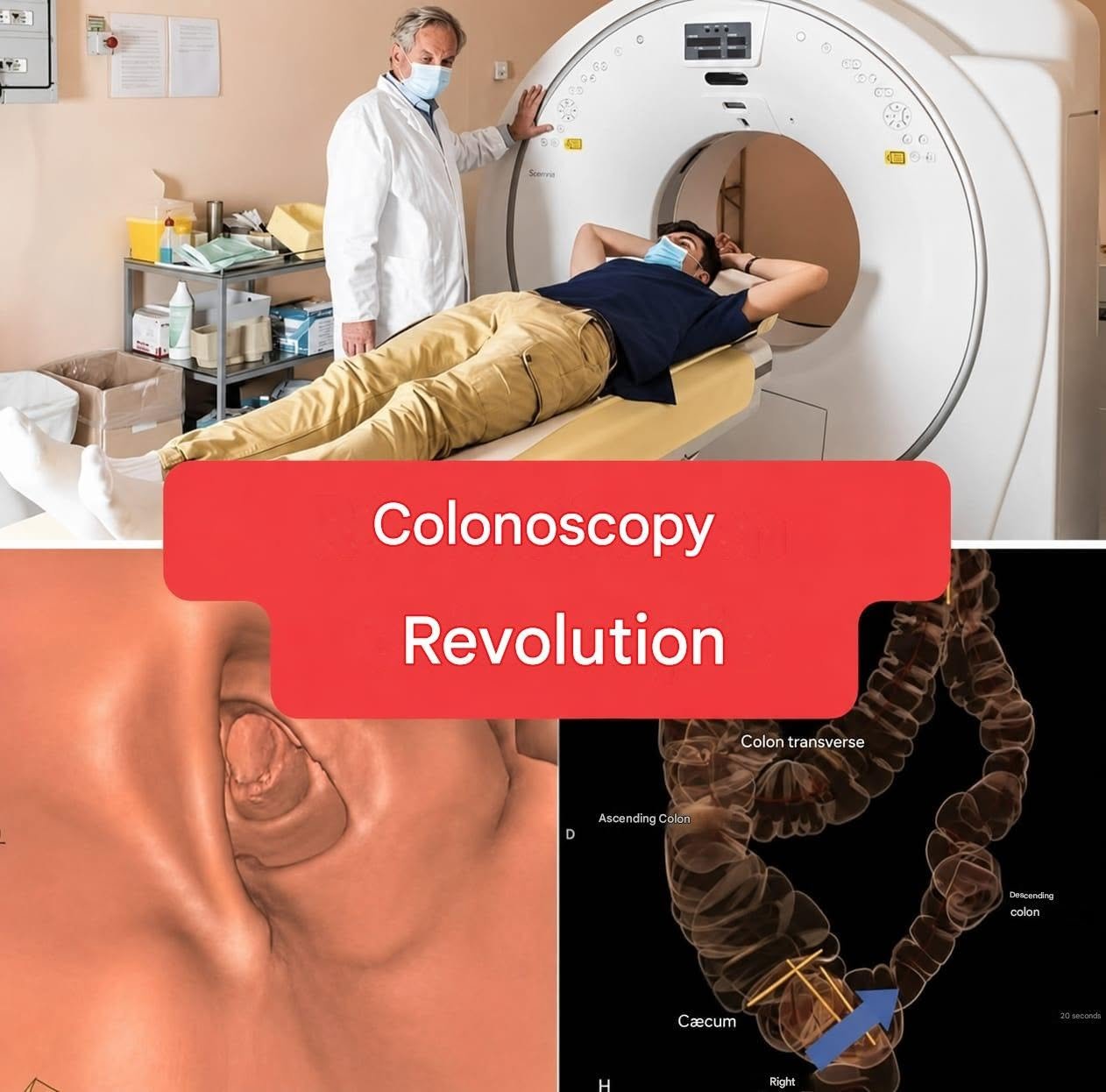
While a traditional optical colonoscopy remains the gold standard because it allows doctors to both find and remove precancerous polyps in a single procedure, major advancements in non-invasive screening technologies have transformed options for patients.
Several non-invasive or minimally invasive alternatives are widely used or emerging to help screen for colorectal cancer without requiring a traditional scope:
1. Advanced Blood-Based Tests (e.g., Shield)
-
How it works: A simple routine blood draw checks for circulating cell-free DNA (cfDNA) associated with colorectal cancer.
-
The Benefit: It offers a completely non-invasive screening method with no dietary restrictions or bowel preparation required beforehand. If a blood test comes back positive, however, a follow-up diagnostic colonoscopy is necessary to locate and remove any growths.
2. Next-Generation Stool-Based & Microbiome Tests (e.g., Cologuard Plus & AI-Mapping)
-
How it works: Advanced at-home stool tests analyze DNA mutations and blood biomarkers shed by polyps or tumors. Furthermore, cutting-edge microbiome and AI research have enabled stool tests to detect subtle bacterial signatures linked to cancer with high accuracy.
-
The Benefit: Patients collect a sample in the privacy of their home every 1 to 3 years without anesthesia, dietary changes, or physical scoping.
3. Virtual Colonoscopy (CT Colonography)
-
How it works: Uses a specialized low-dose CT scan combined with computer software to generate high-resolution 2D and 3D images of the entire colon.
-
The Benefit: It does not require sedation or the insertion of a long, flexible camera scope. While a bowel prep is still necessary and a small tube is used to gently inflate the colon with air, the procedure takes only about 15 minutes with a rapid recovery.
The Catch with Non-Invasive Methods
While these innovations make screening much more approachable, they are primarily screening tools rather than definitive treatments. If a non-invasive blood, stool, or virtual scan detects something unusual or positive, a traditional colonoscopy is still required to biopsy tissue or remove polyps.
