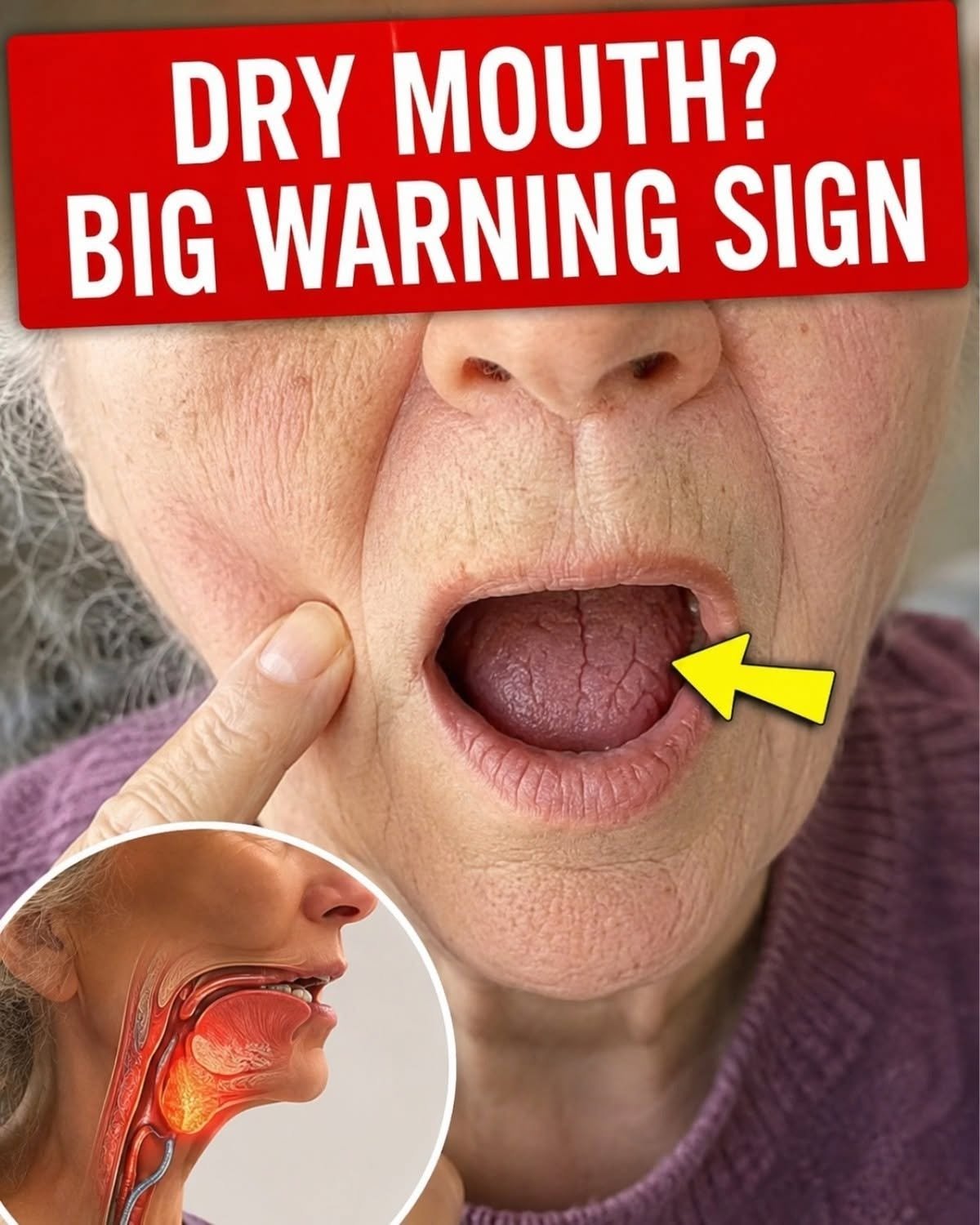
Dry mouth—clinically known as xerostomia—is frequently brushed off as a harmless, inevitable part of getting older. In reality, aging itself does not shut down your salivary glands. When your mouth feels persistently dry, parched, or sticky, it is a sign that your saliva production has slowed down or been disrupted by an underlying cause.
Understanding why saliva production drops is vital, because saliva is much more than just moisture—it is your mouth’s frontline defense system.
Why Saliva Matters More Than You Think
Your salivary glands produce about 2 to 4 pints of saliva every day. It performs critical jobs that go far beyond helping you swallow food:
-
Natural Tooth Shield: Saliva neutralizes acids produced by bacteria, washes away food particles, and delivers essential minerals (like calcium and phosphate) directly to your tooth enamel to prevent cavities.
-
Infection Defense: It contains natural antibodies and enzymes that keep harmful bacteria, fungi (like thrush), and viruses in check.
-
Digestion & Comfort: Saliva contains amylase, an enzyme that starts breaking down starches the moment you chew, while keeping your tongue, cheeks, and throat lubricated for comfortable speaking and swallowing.
The Real Culprits Behind Dry Mouth
If aging isn’t to blame, what is causing your salivary glands to slow down? The most common triggers include:
1. Medications (By Far the #1 Cause)
Over 400 commonly prescribed and over-the-counter medications list dry mouth as a side effect. The most frequent offenders include:
-
Blood pressure medications (diuretics and beta-blockers)
-
Antihistamines and decongestants
-
Antidepressants and anti-anxiety medications
-
Pain relievers and muscle relaxants
2. Dehydration and Mouth Breathing
Not drinking enough water directly reduces salivary output. Additionally, if you suffer from nasal congestion, a deviated septum, or sleep apnea and breathe through your mouth overnight, passing air rapidly evaporates the saliva in your mouth, leaving you parched by morning.
3. Medical Conditions and Nerve Damage
Certain systemic conditions directly impact moisture-producing glands. Sjögren’s syndrome is an autoimmune disorder where the immune system attacks moisture-producing glands. Diabetes, thyroid disorders, nerve damage from head or neck trauma, and neurological conditions like Parkinson’s disease can also disrupt saliva flow.
4. Lifestyle Factors
Smoking or chewing tobacco, frequent alcohol consumption, and using harsh, alcohol-based mouthwashes can dry out and damage the delicate mucosal tissues lining your mouth.
Practical Ways to Stimulate Saliva and Protect Your Teeth
If you are dealing with chronic dry mouth, protecting your teeth and encouraging moisture flow requires a proactive approach:
-
Sip Water Constantly: Keep a water bottle with you all day and take small, frequent sips rather than waiting until you feel thirsty.
-
Chew Sugar-Free Gum or Suck on Sugar-Free Candies: Opt for products flavored with xylitol, a natural sugar alcohol that stimulates saliva production while actively inhibiting the bacteria that cause tooth decay.
-
Use Saliva Substitutes: Over-the-counter artificial saliva sprays, gels, or rinses can coat and lubricate your mouth, especially right before bed.
-
Run a Humidifier at Night: Adding moisture to your bedroom air prevents your mouth and throat from drying out completely if you tend to breathe through your mouth while sleeping.
-
Avoid Dry-Mouth Aggravators: Cut back on caffeine, alcohol, salty foods, and commercial mouthwashes containing alcohol, as all of these strip moisture away.
When to See a Doctor or Dentist
Chronic dry mouth is not just an annoying discomfort—it dramatically increases your risk of severe tooth decay, gum disease, mouth sores, and fungal infections.
Consult a healthcare professional if:
-
Your dry mouth is persistent, severe, and doesn’t improve with hydration.
-
It makes chewing, swallowing, or speaking difficult.
-
You notice a burning sensation on your tongue, frequent cracked lips, or white patches inside your mouth.
-
Medication check: If you suspect a prescription drug is causing your dry mouth, never stop taking it on your own. Talk to your doctor; they can often adjust your dosage, switch you to an alternative medication, or recommend specific dry-mouth treatments.
