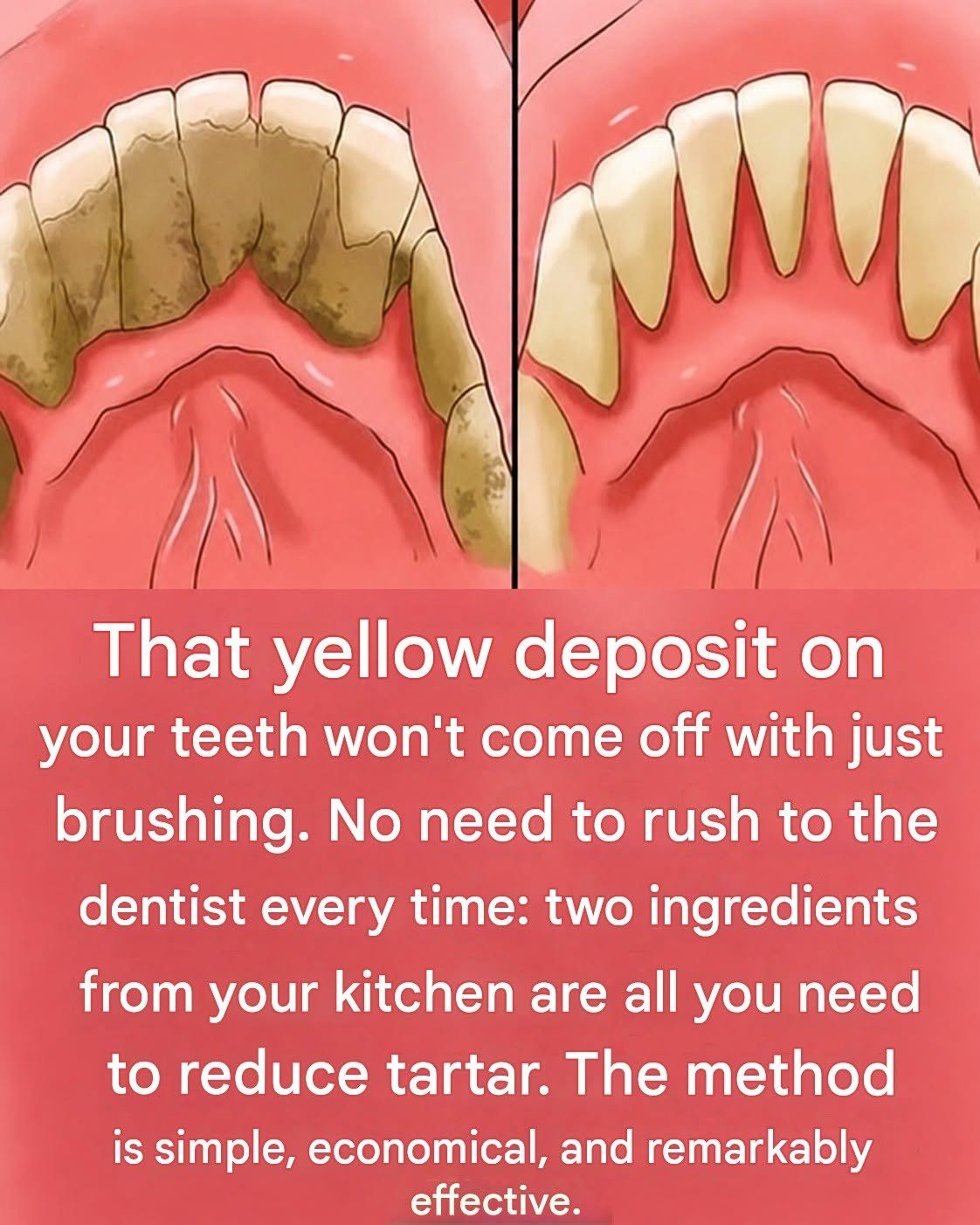
While maintaining your oral hygiene with daily brushing and flossing is fantastic for preventing plaque, once plaque hardens into tartar (calculus), it undergoes a mineralization process driven by the calcium and phosphate in your saliva. Once it calcifies into tartar, it bonds aggressively to your tooth enamel and cannot be safely scraped off at home with metal picks, needles, or DIY tools.
Attempting to scrape away tartar yourself carries severe risks: you can easily lacerate your delicate gum tissue, introduce bacteria into the bloodstream, or permanently scratch and gouge your tooth enamel, making it even easier for plaque to stick in the future.
However, you can take powerful steps at home to stop soft plaque from turning into tartar and to maintain optimal oral health between professional dental cleanings.
What You Can Do Safely at Home
1. Upgrade to an Electric (Sonic) Toothbrush
-
Why it helps: Electric toothbrushes—particularly sonic models—vibrate at tens of thousands of strokes per minute. This creates fluid dynamics in your mouth that sweep away soft plaque from areas your manual toothbrush misses, drastically cutting down the buildup that eventually hardens into tartar.
2. Daily Interdental Cleaning (Flossing or Water Flossers)
-
Why it helps: Tartar loves to form in the tight spaces between teeth where toothbrush bristles cannot reach. Daily flossing or using a water flosser disrupts bacteria colonies before they can mineralize.
3. Use a Tartar-Control Toothpaste
-
Why it helps: Look for toothpastes containing pyrophosphates, zinc citrate, or fluoride. These chemical agents help inhibit the crystallization of minerals in your saliva, slowing down how fast new plaque hardens into tartar.
4. Oil Pulling with Coconut Oil (Antimicrobial Support)
-
Why it helps: Swishing a tablespoon of organic coconut oil in your mouth for 10 to 15 minutes (oil pulling) helps reduce overall bacterial load and plaque buildup naturally through its lauric acid content, supporting healthier gums.
Professional Dental Warning: Only a registered dental hygienist or dentist using specialized ultrasonic scalers and sterile instruments can safely remove hardened tartar without damaging your enamel or gums. If you have visible yellowish-brown crusts along your gumline, schedule a professional cleaning.
