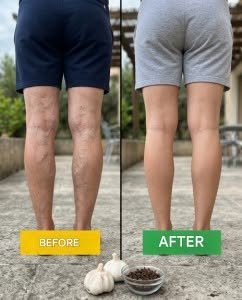
Seeing a parent lose their mobility and suffer from debilitating leg pain, rheumatism, arthritis, or varicose veins is deeply distressing. When multiple musculoskeletal and vascular conditions overlap, the pain can become a complex barrier to everyday life.
While home management and soothing lifestyle interventions can provide comfort, a situation where someone can no longer walk because of pain requires a careful, structured medical evaluation to identify the primary drivers and restore safe mobility.
Understanding the Overlapping Culprits
When leg pain severely impacts walking, it is often a combination of interconnected systems:
-
Arthritis and Rheumatism (Joint and Tissue Inflammation): Whether it is osteoarthritis (wear-and-tear joint degeneration) or inflammatory rheumatism, damage to the cartilage and inflammation of the joint linings in the hips, knees, ankles, or feet make weight-bearing movement intensely painful.
-
Varicose Veins and Chronic Venous Insufficiency (CVI): When the valves in leg veins weaken, blood pools rather than flowing efficiently back to the heart. This causes persistent heavy aching, throbbing, swelling (edema) in the lower legs and ankles, and a feeling of leaden fatigue that makes standing and walking burdensome.
-
The Pain-Inactivity Cycle: When walking hurts, the natural instinct is to rest. However, prolonged inactivity weakens leg muscles (atrophy), stiffens joints further, and reduces blood circulation—making the next attempt to walk even more painful.
Immediate Steps and When to Seek Urgent Care
-
Rule Out Acute Complications: If your mother experiences sudden, severe swelling in only one leg, a leg that is warm, red, or tender to the touch, or sudden shortness of breath and chest pain, seek emergency medical care immediately. These can be signs of a Deep Vein Thrombosis (DVT) or a blood clot traveling to the lungs.
-
Consult a Multidisciplinary Care Team: Because her pain has reached a point of immobilizing her, she needs a thorough assessment by her primary physician, alongside a rheumatologist (for joint and autoimmune inflammation) or a vascular specialist (for vein health). Identifying precisely which condition is driving the immobility is the first step toward targeted relief.
Gentle, At-Home Comfort Strategies (While Awaiting Medical Guidance)
While medical treatment is essential, you can help ease her daily discomfort at home with these supportive measures:
-
Elevation for Venous Relief: Have her elevate her legs above the level of her heart for 15 to 20 minutes several times a day. This uses gravity to help blood drain from the lower legs, reducing pressure and swelling in varicose veins.
-
Gentle Range-of-Motion Exercises: If weight-bearing walking is too painful right now, encourage gentle seated ankle rolls, toe flexes, and leg extensions. Keeping the joints moving without bearing weight helps prevent stiffness and maintains minimal circulation.
-
Warm and Cold Therapy: Warm compresses or a warm bath can soothe stiff, arthritic joints and relax tight muscles, while cool compresses can sometimes calm inflamed, throbbing veins.
-
Supportive Footwear and Compression: Ask a doctor if mild compression stockings are appropriate for her circulation (note: they should not be worn if arterial blockages are present) and ensure she has supportive, cushioned footwear even indoors.
