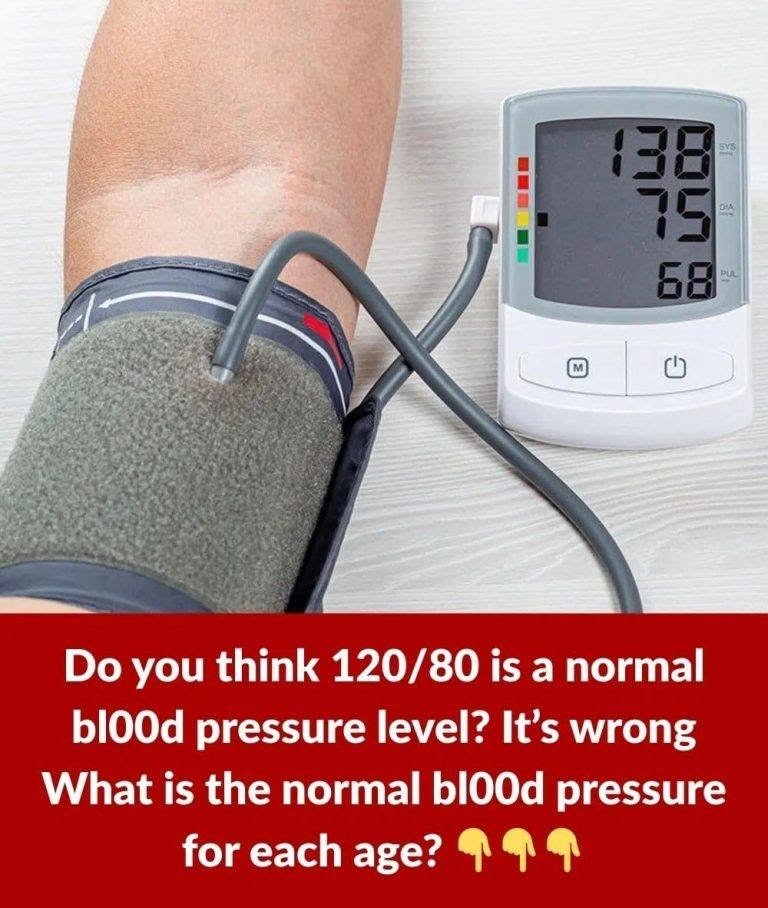
When looking at blood pressure charts, online articles often suggest that “normal” blood pressure changes dramatically as you grow older—sometimes implying that dangerously high readings are completely fine for seniors. In clinical cardiology, geriatrics, and primary care, the medical reality is more nuanced: while blood vessels naturally become stiffer with age (which can raise systolic pressure), the clinical target for healthy blood pressure remains relatively consistent for adults.
Standard Blood Pressure Categories for Adults
According to major medical organizations (such as the American Heart Association and the American College of Cardiology), adult blood pressure is classified into these standard ranges:
| Category | Systolic (Top Number) | Diastolic (Bottom Number) | |
| Normal | Less than 120 mmHg | and | Less than 80 mmHg |
| Elevated | 120–129 mmHg | and | Less than 80 mmHg |
| Stage 1 Hypertension | 130–139 mmHg | or | 80–89 mmHg |
| Stage 2 Hypertension | 130 mmHg or higher | or | 90 mmHg or higher |
Does “Normal” Change by Age?
While the numerical targets don’t drastically shift just because you cross a certain birthday, doctors evaluate age and health context very carefully:
-
Infants and Children:
-
Pediatric blood pressure is entirely different from adult ranges. Normal readings for kids depend heavily on their age, height, and gender, requiring specialized pediatric percentiles checked by a pediatrician.
-
-
Young to Middle-Aged Adults (18–64):
-
Keeping readings consistently below 120/80 mmHg is the gold standard for reducing long-term strain on the heart, kidneys, and brain.
-
-
Older Adults (65 and Older):
-
As people age, large elastic arteries stiffen, which often causes the top number (systolic pressure) to rise while the bottom number (diastolic pressure) stays the same or drops.
-
While guidelines generally aim for a target of less than 130/80 mmHg for older adults in good health, physicians frequently customize these targets. For frail older adults or those prone to dizziness and fainting spells (orthostatic hypotension), doctors may accept slightly higher targets to prevent dangerous falls caused by over-medication.
-
The Bottom Line
Blood pressure is not a one-size-fits-all number, and a single high reading at a doctor’s office (“white coat syndrome”) doesn’t automatically mean you have hypertension. Tracking your blood pressure with a validated home monitor under calm conditions gives the most accurate picture.
Are you looking at how to manage your blood pressure readings, or exploring cardiovascular wellness tips?
