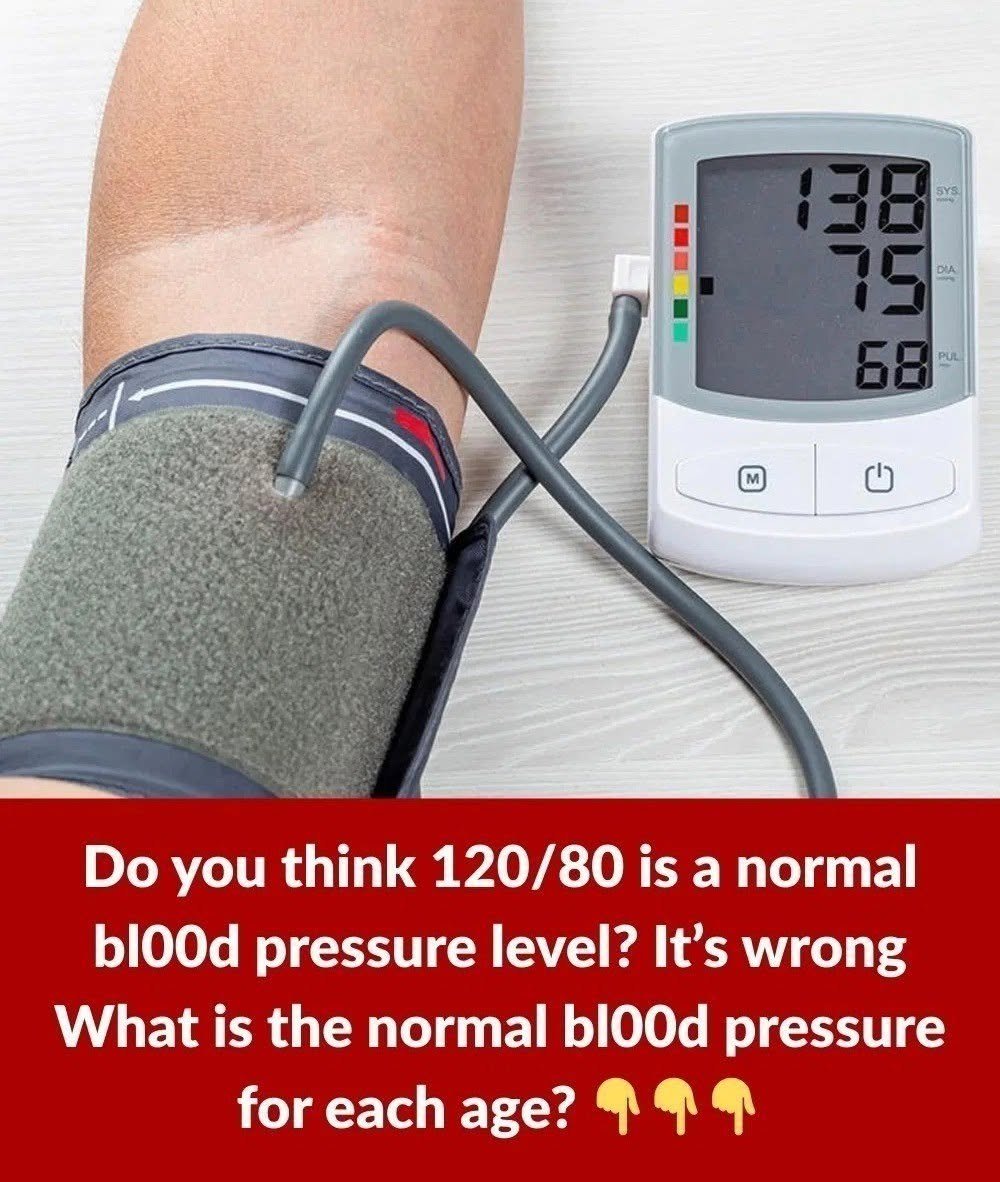
Blood pressure targets change slightly across the lifespan because our blood vessels naturally become stiffer and less elastic as we age. What is considered “normal” or healthy in your 20s might look a little different than the target for someone in their 70s or 80s.
Here is a breakdown of normal and healthy blood pressure ranges across different age groups, along with what those numbers actually mean.
Understanding the Numbers
Before looking at age brackets, it helps to keep the two standard measurements in mind:
-
Systolic (Top Number): The pressure in your arteries when your heart beats and pumps blood.
-
Diastolic (Bottom Number): The pressure in your arteries when your heart rests between beats.
Normal Blood Pressure Ranges by Age
1. Young Adults (Ages 18–39)
-
Ideal Range: Less than 120/80 mmHg (Ideally around 110/75 mmHg).
-
Context: In younger adults, maintaining a lower baseline significantly protects cardiovascular health over the long term. Readings consistently over 130/80 mmHg are generally flagged as hypertension (high blood pressure) even in younger populations.
2. Middle-Aged Adults (Ages 40–59)
-
Ideal Range: Less than 120/80 mmHg to 130/85 mmHg.
-
Context: Around middle age, arterial walls naturally begin to lose some of their youthful elasticity. Doctors pay close attention to the systolic number (the top number) creeping up during this stage, as it is a major predictor of cardiovascular stress.
3. Older Adults (Ages 60 and Older)
-
Ideal Range: Less than 130/80 to 140/90 mmHg (depending on overall health and medical guidance).
-
Context: For seniors, guidelines have evolved. While keeping blood pressure strictly under 120/80 remains the gold standard, older adults often have concurrent health conditions. Many physicians target a slightly relaxed goal (such as under 130 or 140 mmHg) to prevent dizziness, fainting spells, or sudden drops in blood pressure (orthostatic hypotension) that can lead to dangerous falls.
Standard Blood Pressure Categories (AHA Guidelines)
The American Heart Association (AHA) classifies blood pressure readings into these universal categories for adults:
| Category | Systolic (Top) | Diastolic (Bottom) | |
| Normal | Less than 120 | and | Less than 80 |
| Elevated | 120–129 | and | Less than 80 |
| Stage 1 Hypertension | 130–139 | or | 80–89 |
| Stage 2 Hypertension | 140 or higher | or | 90 or higher |
| Hypertensive Crisis | Higher than 180 | and/or | Higher than 120 |
Key Factors That Influence Blood Pressure As We Age
-
Arterial Stiffness: As we get older, collagen and elastin fibers in our blood vessels break down, making arteries stiffer. This naturally causes the top (systolic) number to rise over time.
-
Lifestyle and Sodium: Accumulated years of dietary habits, stress, physical activity levels, and medication use heavily influence how much your blood pressure shifts as you age.
When to Seek Immediate Help:A single high reading is not usually a cause for panic (stress, caffeine, or rushing can spike it temporarily). However, if your blood pressure ever exceeds 180/120 mmHg, wait 5 minutes and test again. If it remains that high and is accompanied by chest pain, shortness of breath, sudden weakness, numbness, or changes in vision, seek emergency medical attention immediately.Are you tracking your blood pressure readings at home, or are you looking for tips to help manage a specific reading?
