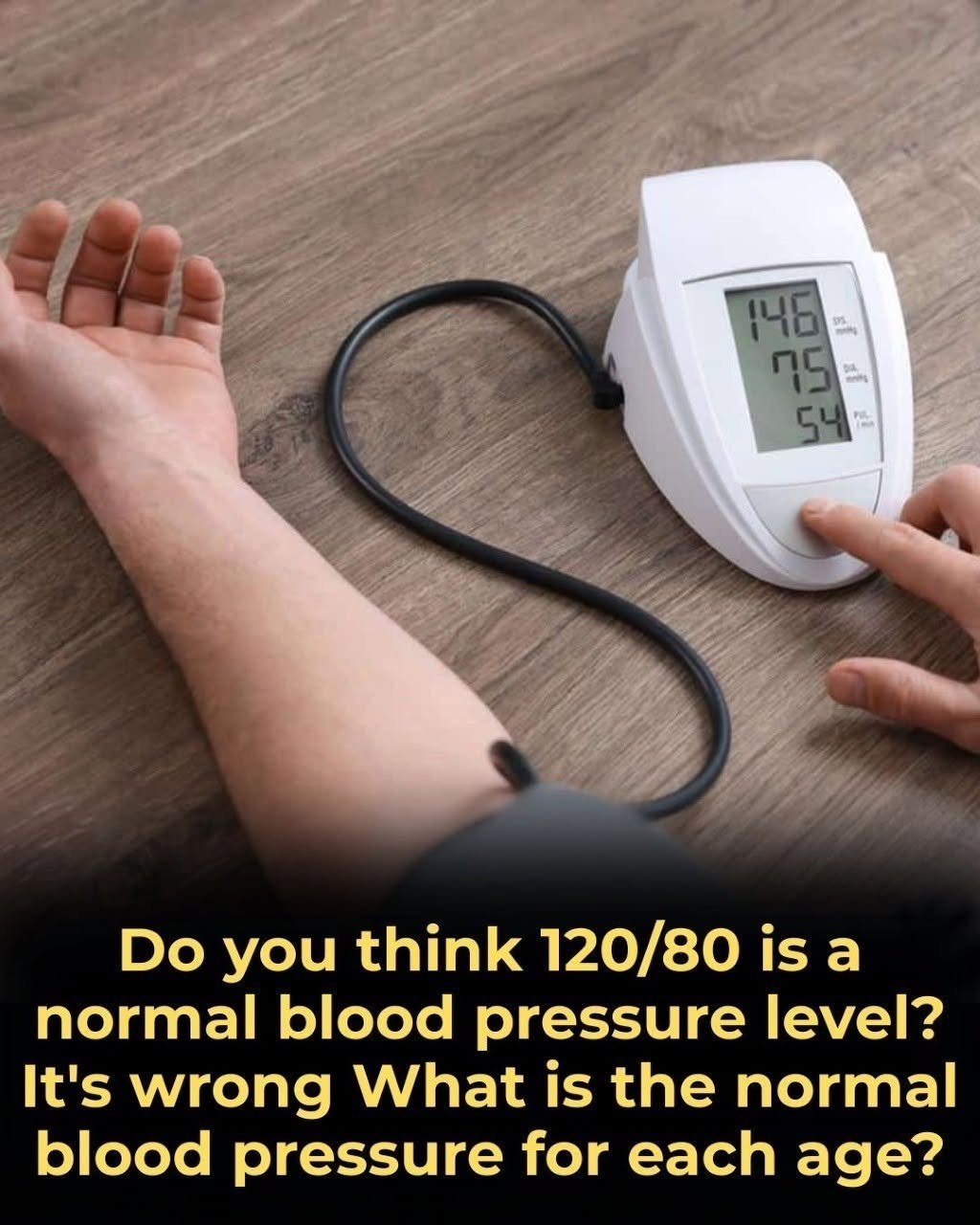
When looking at blood pressure, medical guidelines draw a clear line between what is clinically normal and what is merely typical for an age group.
Under major health guidelines (such as the American Heart Association), the clinical definition of a healthy, normal blood pressure does not change as you get older. For all adults, the gold standard for a normal reading is less than 120/80 mmHg.
However, because arteries naturally stiffen over time, average blood pressure does tend to creep up as people age. What is common at age 70 is not necessarily ideal for long-term health.
Adult Blood Pressure Categories (Ages 18+)
Regardless of whether you are 20 or 80, adult blood pressure readings generally fall into these categories:
| Category | Systolic (Top Number) | Diastolic (Bottom Number) | |
| Normal | Less than 120 | and | Less than 80 |
| Elevated | 120–129 | and | Less than 80 |
| Hypertension Stage 1 | 130–139 | or | 80–89 |
| Hypertension Stage 2 | 140 or higher | or | 90 or higher |
| Hypertensive Crisis | Greater than 180 | and/or | Greater than 120 (Seek emergency care immediately) |
Average Blood Pressure by Age (Population Trends)
While below 120/80 mmHg remains the universal target for health, population data shows how average blood pressure shifts across the decades:
-
Ages 18–39: Average readings hover around 110–120 / 68–78 mmHg. Young adults typically experience the lowest readings of their lives. (Note: Prior to menopause, women’s averages tend to run slightly lower than men’s).
-
Ages 40–59: Average readings drift to 120–130 / 74–82 mmHg. This is often the decade where the top (systolic) number begins its slow climb due to early arterial aging. After menopause, women’s readings catch up and often surpass men’s.
-
Ages 60 and Older: Average readings commonly land around 130–140 / 68–80 mmHg. In older adults, a common pattern emerges: the top number (systolic) continues to rise while the bottom number (diastolic) often stays flat or drifts downward.
The Myth of “100 Plus Your Age”
An old rule of thumb once suggested that a normal systolic blood pressure was “100 plus your age” (implying a reading of 170 was fine for a 70-year-old). Medical science has thoroughly debunked this. Having a high blood pressure reading is never “safe” simply because of age; elevated pressures at any stage of life increase the risk of heart attack, stroke, and kidney issues.
That said, doctors sometimes individualize treatment goals for frail older adults to prevent dizziness or dangerous falls from overly aggressive medication.
Children and Teens
Unlike adults, blood pressure norms for infants, children, and adolescents cannot be pinned down to a single chart because they depend entirely on the child’s age, height, and sex. Pediatricians use specialized growth-chart percentiles to determine what is healthy for a growing body. Teenagers aged 13 and older are generally evaluated using standard adult thresholds.
Are you looking at a specific blood pressure reading for yourself or a loved one? If you have numbers in mind, feel free to share them along with any symptoms, and we can look at what they mean.
