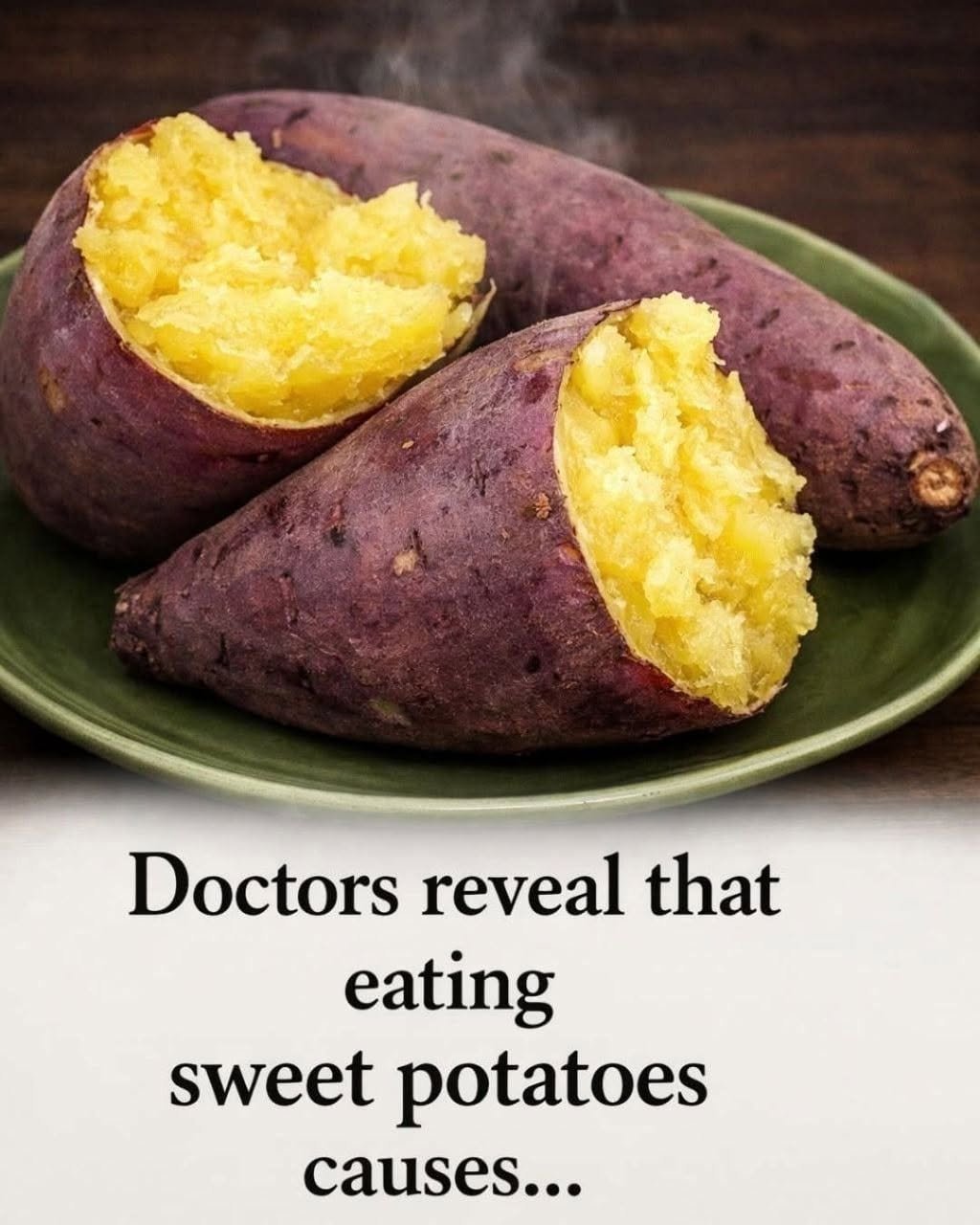
…frequently trigger dramatic health headlines online, but the reality behind sweet potatoes is far more positive and grounded in solid nutritional science than viral myths suggest.
Instead of causing hidden health dangers, sweet potatoes are widely celebrated by dietitians and physicians as nutritional powerhouses.
What The Viral Headlines Claim vs. Reality
-
The Dramatic Narrative: Sensationalized posts occasionally try to warn people away from sweet potatoes, claiming they spike blood sugar uncontrollably or cause rapid weight gain because of their natural sweetness and carbohydrate content.
-
The Clinical Reality: Sweet potatoes are a cornerstone of healthy, balanced eating. They are loaded with complex carbohydrates, dietary fiber, antioxidants (like beta-carotene, which gives them their vibrant orange color), and essential vitamins like A, C, and potassium.
What Actually Happens When You Eat Sweet Potatoes Regularly?
Incorporating sweet potatoes into your meals offers profound health benefits backed by medical consensus:
-
Sustained Energy and Blood Sugar Control: Unlike highly refined white bread or sugary snacks, the rich fiber content in sweet potatoes slows down digestion. This results in a gradual, steady release of energy rather than a sharp blood sugar spike.
-
Reduced Systemic Inflammation: The high concentration of carotenoids and anthocyanins (especially in purple and orange varieties) acts as powerful antioxidants, helping combat oxidative stress and chronic inflammation in the body.
-
Enhanced Digestive Health: The soluble and insoluble fiber found in sweet potatoes supports a healthy gut microbiome and promotes regular, smooth digestion.
-
Cardiovascular Support: Their high potassium content helps balance sodium levels in the body, supporting healthy blood pressure and reducing strain on aging blood vessels—tying right into heart-healthy habits.
Are There Any Real Cautions?
While sweet potatoes are exceptionally healthy, a couple of minor medical notes are worth keeping in mind:
-
Oxalates: Sweet potatoes contain moderate levels of oxalates. For individuals with a history of calcium oxalate kidney stones, doctors sometimes advise consuming them in moderation rather than eliminating them entirely.
-
Carotenemia (A Harmless Quirk): Eating massive quantities of beta-carotene-rich foods (like sweet potatoes, carrots, or pumpkin) every single day can sometimes cause a harmless, temporary yellowish tint to the skin (called carotenemia), which reverses entirely if you scale back your intake.
The Bottom Line
Sweet potatoes are a phenomenal, nutrient-dense food that supports long-term health, vitality, and heart protection.
Are you looking for delicious ways to cook sweet potatoes—like roasting them, mashing them, or making air-fryer wedges—or were you wondering about a specific health claim you saw online?
