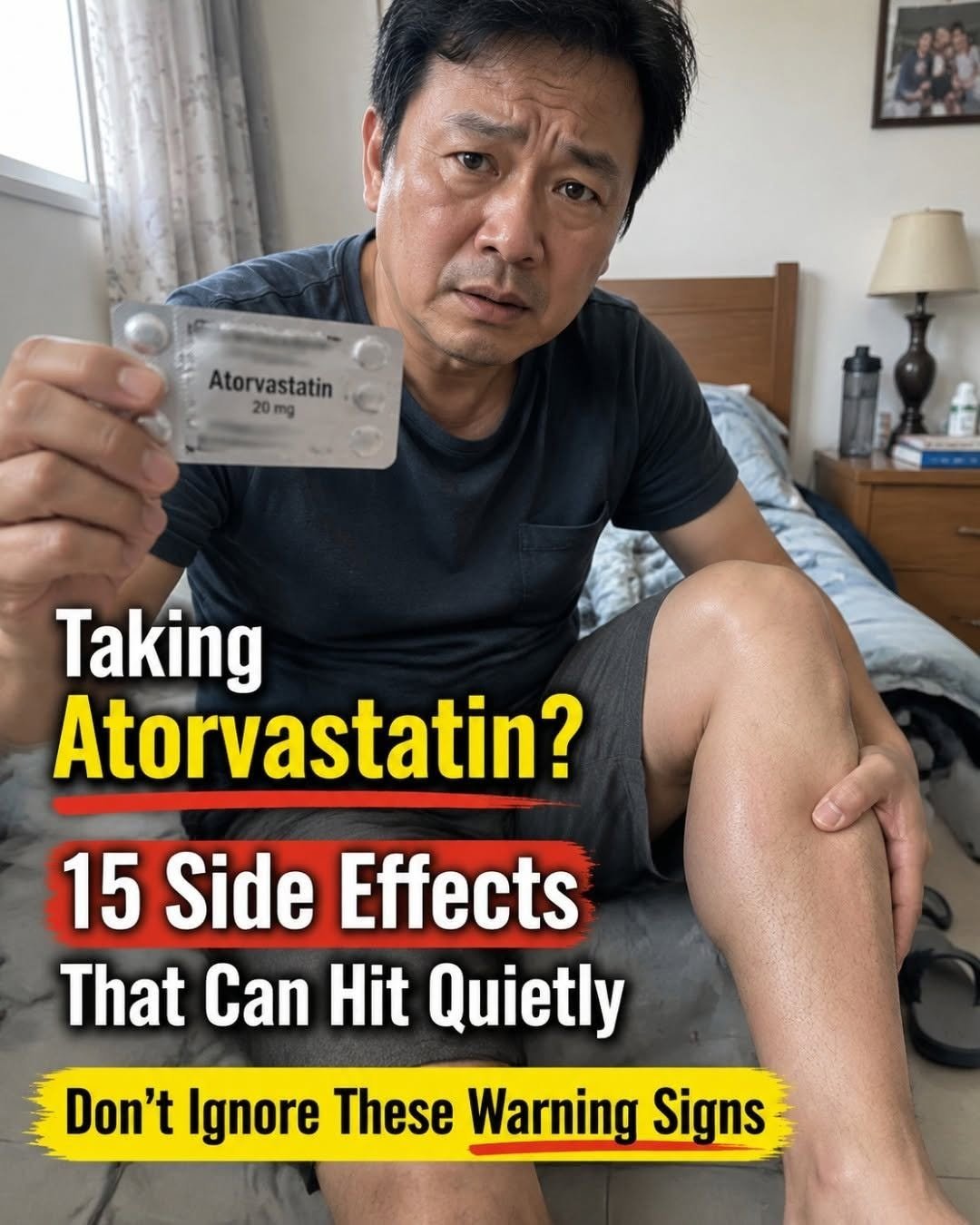
Atorvastatin (commonly known by its brand name Lipitor) is one of the most widely prescribed statins in the world. It plays a monumental role in modern preventative cardiology by lowering LDL (“bad”) cholesterol, stabilizing arterial plaque, and drastically reducing the risk of heart attacks and strokes.
However, like any potent medication, it can come with side effects. While major adverse events are rare, viral health articles often list dozens of symptoms—ranging from serious to entirely unrelated—leaving patients worried about every minor ache or pain.
The Reality of Statin Side Effects: Clinical Consensus vs. Internet Myths
When looking at long-term, large-scale clinical trials involving hundreds of thousands of patients, researchers have found that many symptoms frequently blamed on statins (such as severe cognitive decline or permanent neurological damage) do not show up at a higher rate in patients taking statins compared to those taking a placebo.
Nevertheless, subtle, manageable side effects do occur in a small percentage of patients. Here is a grounded look at how to separate real, subtle statin effects from common internet exaggerations:
1. Mild Musculoskeletal Discomfort (The Most Common Real Effect)
-
What You Might Feel: Mild muscle soreness, stiffness, or fatigue—particularly in larger muscle groups like the thighs, calves, or lower back.
-
Why It Happens: Statins lower cholesterol production by inhibiting an enzyme in the liver, which can occasionally impact cellular energy production and muscle protein turnover.
-
What to Know: If you experience muscle aches, never stop your medication abruptly. Instead, speak with your doctor. They can check your blood levels (like creatine kinase), temporarily pause the medication to see if the ache resolves, adjust your dosage, or switch you to a different statin or a non-statin alternative.
2. Mild Gastrointestinal Changes
-
What You Might Feel: Mild nausea, indigestion, gas, or occasional bouts of constipation or diarrhea.
-
Why It Happens: Systemic medications can alter gut motility or interact with digestive enzymes as they are processed through the liver and GI tract.
-
What to Know: Taking your atorvastatin with your evening meal often resolves mild stomach upset entirely.
3. Subtle Elevation in Blood Sugar
-
What You Might Feel: You won’t “feel” this, but routine blood work might show a slight tick upward in your fasting blood glucose or HbA1c over time.
-
Why It Happens: Long-term statin use can slightly decrease insulin sensitivity in some individuals.
-
What to Know: For the vast majority of patients, the cardiovascular benefits of preventing a heart attack or stroke vastly outweigh the minor risk of developing pre-diabetes or managing a slightly higher blood sugar level, which can easily be balanced with diet and exercise.
4. Mild Liver Enzyme Changes
-
What You Might Feel: Usually entirely symptomless, which is why doctors routinely check liver function blood tests (ALT/AST) when starting or adjusting statins.
-
Why It Happens: Because statins are metabolized primarily by the liver, they can occasionally cause liver enzymes to temporarily drift slightly above the normal range.
-
What to Know: A mild, isolated enzyme bump is rarely true liver damage; doctors monitor this closely to ensure your liver is tolerating the medication safely.
5. Sleep Disturbances or Mild Fatigue
-
What You Might Feel: Difficulty falling asleep, vivid dreams, or a general sense of daytime sluggishness.
-
Why It Happens: While individual responses vary and sleep disruption is frequently reported anecdotally, clinical trials show mixed data on whether statins directly cause sleep changes, though individual sensitivity plays a role.
-
What to Know: If taking your atorvastatin at night leaves you restless, ask your doctor if you can switch to taking it in the morning (though evening dosing is traditionally preferred because cholesterol synthesis peaks overnight).
When to Contact Your Doctor Immediately
While subtle aches or digestive quirks are usually manageable, certain red-flag symptoms require prompt medical evaluation:
-
Severe, Debilitating Muscle Pain: Accompanied by dark-colored urine or extreme muscle weakness (a rare sign of a condition called rhabdomyolysis).
-
Unexplained Yellowing of Skin or Eyes (Jaundice): A sign of acute liver stress.
-
Persistent Upper Abdominal Pain or Extreme Fatigue.
The Bottom Line
Atorvastatin is a literal lifesaver for millions of individuals managing cardiovascular disease risks. If you are experiencing subtle side effects, work collaboratively with your physician rather than quitting cold turkey. Simple adjustments—like changing the dose, timing, or trying an alternative molecule—can keep your heart protected while keeping you comfortable.
Are you currently taking a statin like atorvastatin, or discussing cholesterol management strategies with your physician?
