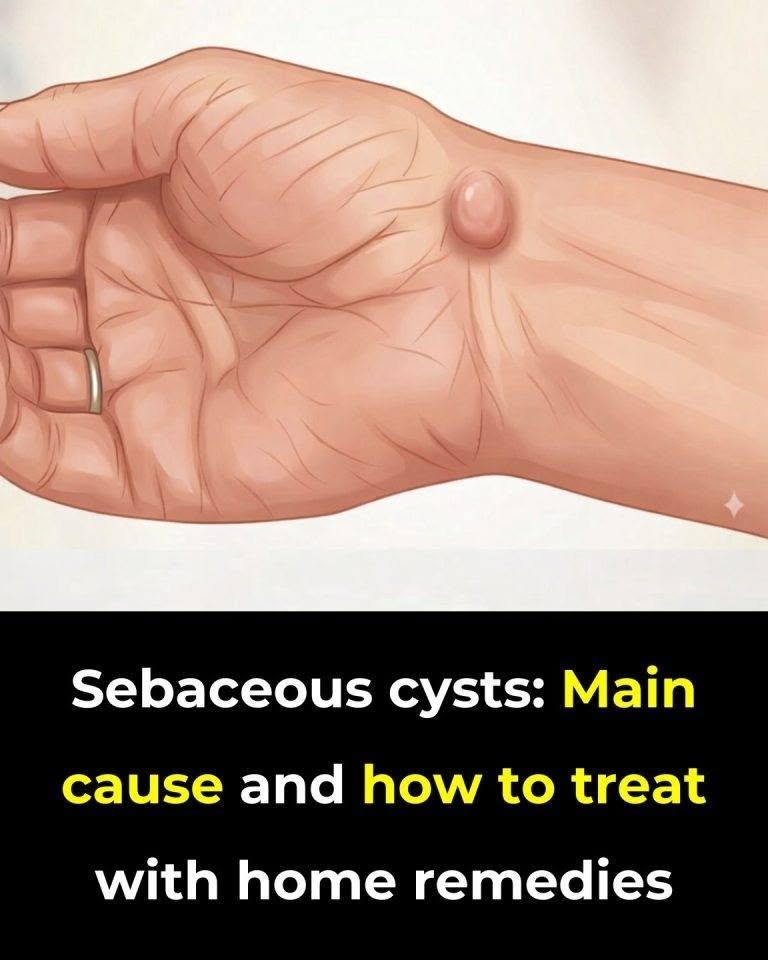
What Is a Sebaceous Cyst?
A sebaceous cyst is a small, non-cancerous (benign) lump that develops underneath the skin. While people commonly use this term for any skin lump, true sebaceous cysts originate specifically from the sebaceous glands, which produce the natural oil (sebum) that lubricates our skin and hair.
More frequently, doctors diagnose these lumps as epidermoid cysts or pilar cysts. They form when keratin (a protein that makes up your skin, hair, and nails) or sebum gets trapped in a pouch beneath the skin’s surface, creating a slow-growing, movable, and usually painless sac.
Main Causes of Sebaceous and Epidermoid Cysts
Cysts typically develop due to minor trauma, blockages, or structural issues in the skin’s outer layers:
-
Blocked Hair Follicles or Oil Glands: If a hair follicle or sebaceous duct becomes plugged or damaged—due to acne, minor inflammation, or normal friction—sebum and keratin cannot escape to the surface, causing them to accumulate under the skin.
-
Skin Trauma or Injury: A scratch, surgical incision, or localized skin trauma can drive skin cells deeper beneath the surface, where they can multiply and form a cyst sac.
-
Genetics: Certain inherited genetic conditions, such as Gardner’s syndrome, make individuals much more prone to developing multiple cysts.
-
Hormonal Shifts: Fluctuations in hormones can increase oil production, occasionally contributing to blocked pores and cyst formation.
Home Care: What You Can (and Can’t) Do Safely
It is crucial to know upfront: You cannot cure or dissolve a true cyst at home. Because the cyst is enclosed in a protective sac beneath the skin, simply draining the fluid or pus will only offer temporary relief; the sac will remain intact and fill right back up.
However, if you have a small, uninfected, and painless cyst, a few home care strategies can keep it calm and reduce irritation:
-
Warm Compresses: Applying a clean washcloth soaked in warm water to the area for 10 to 15 minutes, three times a day, can help soothe mild inflammation, encourage natural drainage if it’s coming to a head, and ease tenderness.
-
Keep It Clean and Untouched: Wash the area gently with mild soap and water.
-
The Golden Rule — NEVER Pop or Squeeze It: As tempting as it might be, attempting to squeeze, pop, or lance a cyst yourself is dangerous. Squeezing often ruptures the cyst wall inward, driving the trapped keratin and bacteria deep into surrounding tissues. This triggers a severe inflammatory response, turning a small, quiet lump into a painful, swollen, and infected abscess.
When to See a Doctor
You should schedule an appointment with a primary care doctor or dermatologist if:
-
The cyst grows rapidly, becomes painful, or starts interfering with your movement or clothing.
-
It becomes red, hot to the touch, swollen, or begins draining pus (signs of a secondary bacterial infection).
-
It appears in a sensitive or cosmetically noticeable area and you want it safely removed.
Professional Medical Treatments
If a cyst becomes troublesome or repeatedly infected, a doctor has simple, permanent solutions:
-
Incision and Drainage: For an acutely infected, painful cyst, the doctor can numb the area and make a small incision to drain the fluid and pus, providing immediate relief.
-
Complete Surgical Removal (Excision): This is the only permanent solution. The doctor removes the entire cyst sac intact. If the entire wall of the cyst is taken out, it will not return.
Are you currently dealing with a tender skin lump, or looking for advice on a cyst that has been bothering you?
