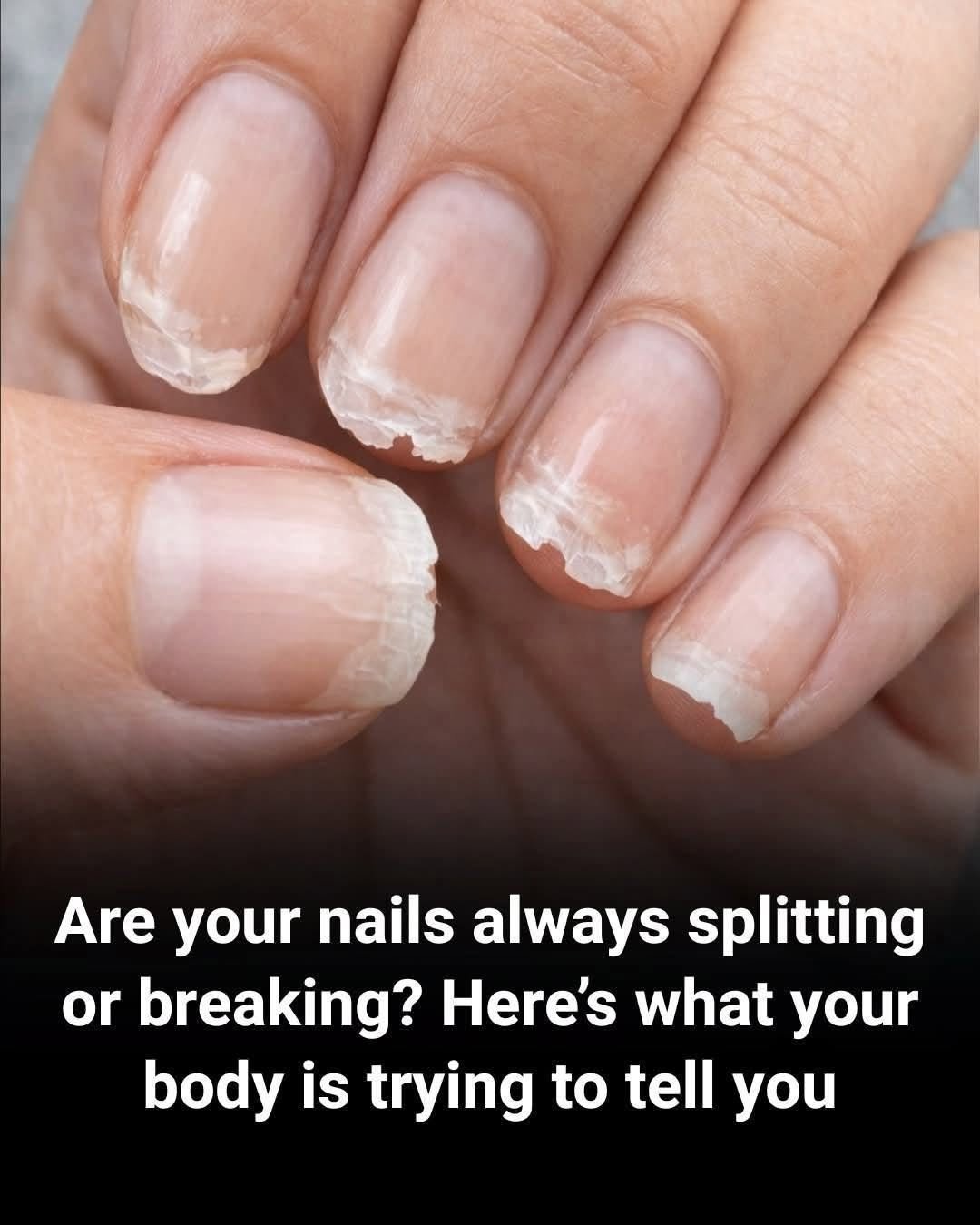
When your nails start splitting, peeling, breaking easily, or developing stubborn ridges, it can feel like a frustrating cosmetic nuisance. However, dermatologists and clinical specialists view your nails as a window into your overall health. Because nail plates grow slowly from the nail matrix beneath your cuticle, they record your nutritional status, circulation, and hormonal balance over several months.
Here is what weak or brittle nails are often trying to tell you, and how to address them safely:
1. Nutritional Deficiencies (The Building Blocks)
-
What It Means: Just like hair and skin, strong nails require a steady supply of specific building blocks.
-
Iron Deficiency (Anemia): Low iron stores (ferritin) or full-blown anemia can cause nails to become thin, brittle, or even curve upward into a spoon-like shape (koilonychia).
-
B Vitamins (Biotin): While biotin isn’t a cure-all, a deficiency in B-complex vitamins can lead to fragile, easily cracked nails.
-
Protein: Because nails are made of a tough fibrous protein called keratin, a diet chronically low in high-quality protein will impair nail growth and strength.
-
-
Action: Focus on a nutrient-dense whole-food diet rich in leafy greens, lean proteins, nuts, seeds, and beans. If you suspect an iron or vitamin deficiency, ask your doctor for a simple blood panel before blindly taking high-dose supplements.
2. Chronic Moisture Exposure and Harsh Chemicals
-
What It Means: Ironically, nails that feel constantly dry and brittle are often caused by the repeated cycle of getting wet and drying out. Frequent hand washing, dishwashing without gloves, swimming, or harsh exposure to chemical cleaning solvents strip the natural oils and moisture right out of the nail plate. Furthermore, constant use of harsh nail polish removers (especially acetone) or gel/acrylic manicures can severely weaken the top layers of keratin.
-
Action: Wear rubber gloves when washing dishes or cleaning. Apply a thick hand cream or cuticle oil containing ceramides, shea butter, or jojoba oil regularly—especially right after washing your hands while they are still slightly damp to lock in moisture.
3. Thyroid Imbalances
-
What It Means: Your thyroid gland regulates your body’s metabolic rate, which dictates how quickly your cells regenerate—including the cells that form your hair, skin, and nails. Both hypothyroidism (underactive thyroid) and hyperthyroidism (overactive thyroid) can disrupt nail growth, leaving them dry, brittle, coarse, or prone to splitting.
-
Action: If your brittle nails are accompanied by unexplained fatigue, feeling cold all the time, hair thinning, or weight changes, mention it to your primary care physician so they can check your TSH and thyroid hormone levels.
4. Normal Aging and Circulation Shifts
-
What It Means: As we age, cell turnover slows down, and peripheral circulation naturally becomes less robust. Just as skin thins, toenails and fingernails often become drier, harder, or develop longitudinal ridges because moisture and nutrient delivery to the nail bed is less efficient.
-
Action: Keep nails trimmed straight across, moisturize daily, and support healthy circulation through regular physical activity and proper hydration.
Simple, Evidence-Based Steps to Strengthen Your Nails
-
Hydrate from Within: Chronic mild dehydration starves all your tissues of moisture, including your nail beds.
-
Give Manicures a Break: Allow your natural nails periods of rest between gel or acrylic applications to let the keratin recover.
-
File in One Direction: Sawing back and forth with a traditional nail file creates micro-fractures in the edge of the nail, making it split much easier. Use a gentle glass or crystal file and file in a single, smooth direction.
Are your nails peeling at the tips, splitting down the middle, or are you noticing other symptoms like fatigue or dry skin alongside them?
