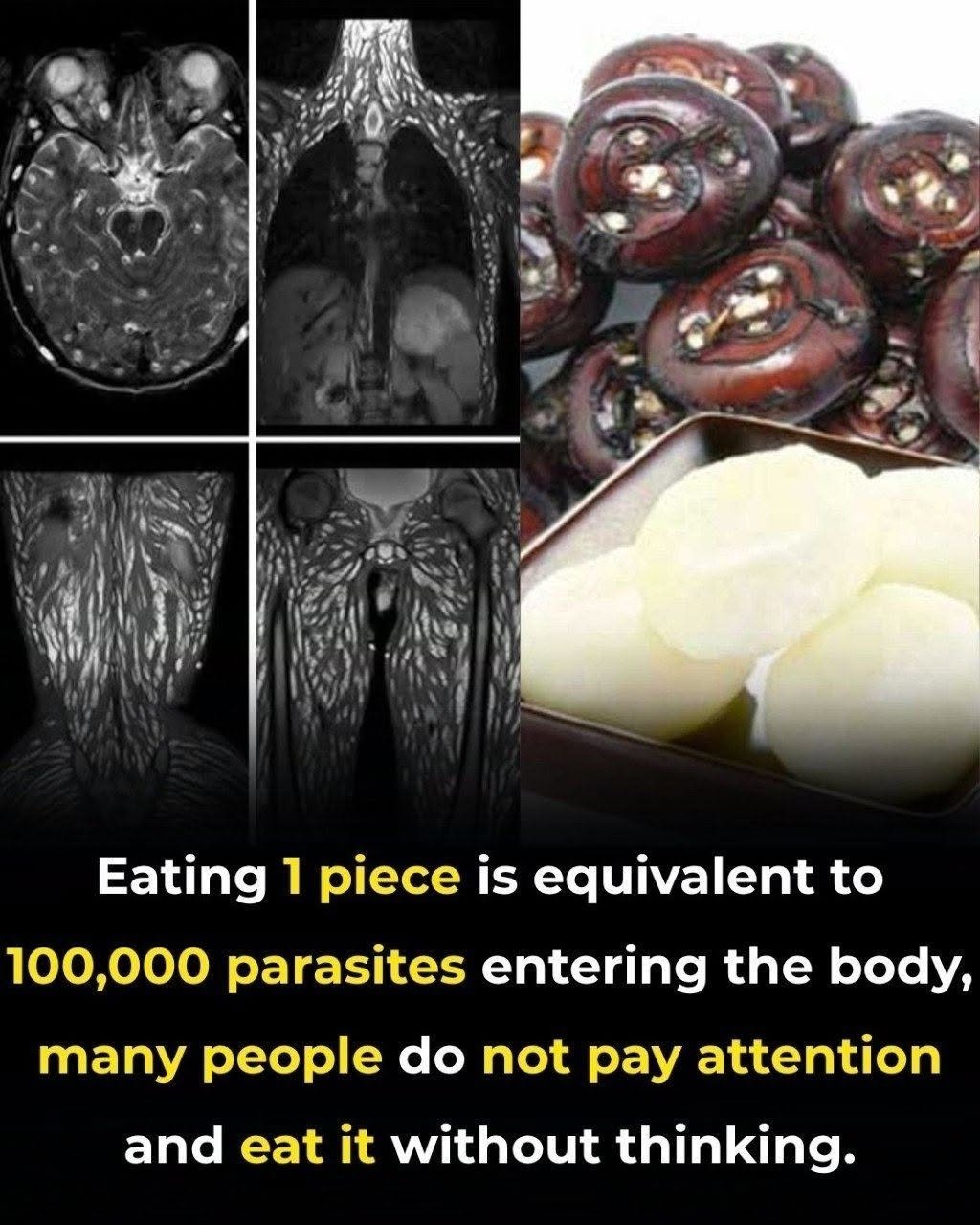
When health headlines use dramatic hooks like “Eating just one bite is already harmful, but many still eat it without worry,” they are almost always targeting highly processed foods laden with artificial additives, trans fats, or heavy chemical preservatives.
While clickbait phrasing frames a single bite of a favorite treat as an immediate biological disaster, toxicology and nutritional science view things through the lens of dose, frequency, and overall dietary pattern. A single bite of a processed snack won’t derail your health overnight, but understanding why these foods trigger such warnings helps you make informed choices without falling into food anxiety.
What the Headlines Are Usually Targeting
When sensational articles warn against “just one bite,” they are typically pointing to a few specific culprits:
1. Artificial Trans Fats (Partially Hydrogenated Oils)
-
The Concern: Unlike natural fats, artificial trans fats actively raise “bad” LDL cholesterol while lowering “good” HDL cholesterol, explicitly damaging blood vessel linings and increasing cardiovascular inflammation.
-
The Reality: Major public health agencies have banned or heavily restricted artificial trans fats in commercial manufacturing, making them far less common in everyday foods than they were a decade ago. However, trace amounts can still linger in certain heavily fried or shelf-stable bakery items.
2. Advanced Glycation End-Products (AGEs) and Heavy Charring
-
The Concern: Deep-fried, intensely charred, or heavily processed meats contain high levels of AGEs—compounds that form when proteins or fats combine with sugar at high temperatures. Accumulation of AGEs contributes to cellular aging, arterial stiffness, and chronic inflammation.
-
The Reality: While our bodies naturally process and clear AGEs, a lifetime diet heavily dominated by ultra-processed, charred, or fast foods places an ongoing burden on our metabolic and vascular systems.
3. Hyper-Palatable Ultra-Processed Foods (UPFs)
-
The Concern: Foods engineered with precise ratios of sugar, fat, sodium, and chemical enhancers (“hyper-palatable”) bypass our natural biological fullness cues, making it remarkably easy to overeat.
-
The Reality: The true harm isn’t a single bite, but rather how these foods crowd out nutrient-dense whole foods (like fresh produce, lean proteins, and high-fiber grains) over years and decades.
Shifting from Fear to Empowered Choices
You do not need to live in fear of an occasional treat or a bite of comfort food. Long-term health is built on consistency, not perfection.
-
The 80/20 Rule: If 80% of your daily intake focuses on whole, nutrient-dense foods that support your heart, brain, and gut, your body handles occasional treats with ease.
-
Check the Ingredient List: When buying packaged foods, a quick glance at the label can help you steer clear of artificial trans fats, excessive added sugars, and unpronounceable chemical preservatives.
-
Balance Comfort with Nutrition: This is why smart adaptations—like swapping heavy bakery treats for high-protein cheesecake bowls or baking homemade brownies with wholesome ingredients—let you enjoy rich flavors while keeping your metabolic health protected.
Are you evaluating specific packaged foods or looking for ways to cut back on hidden additives in your daily routine?
