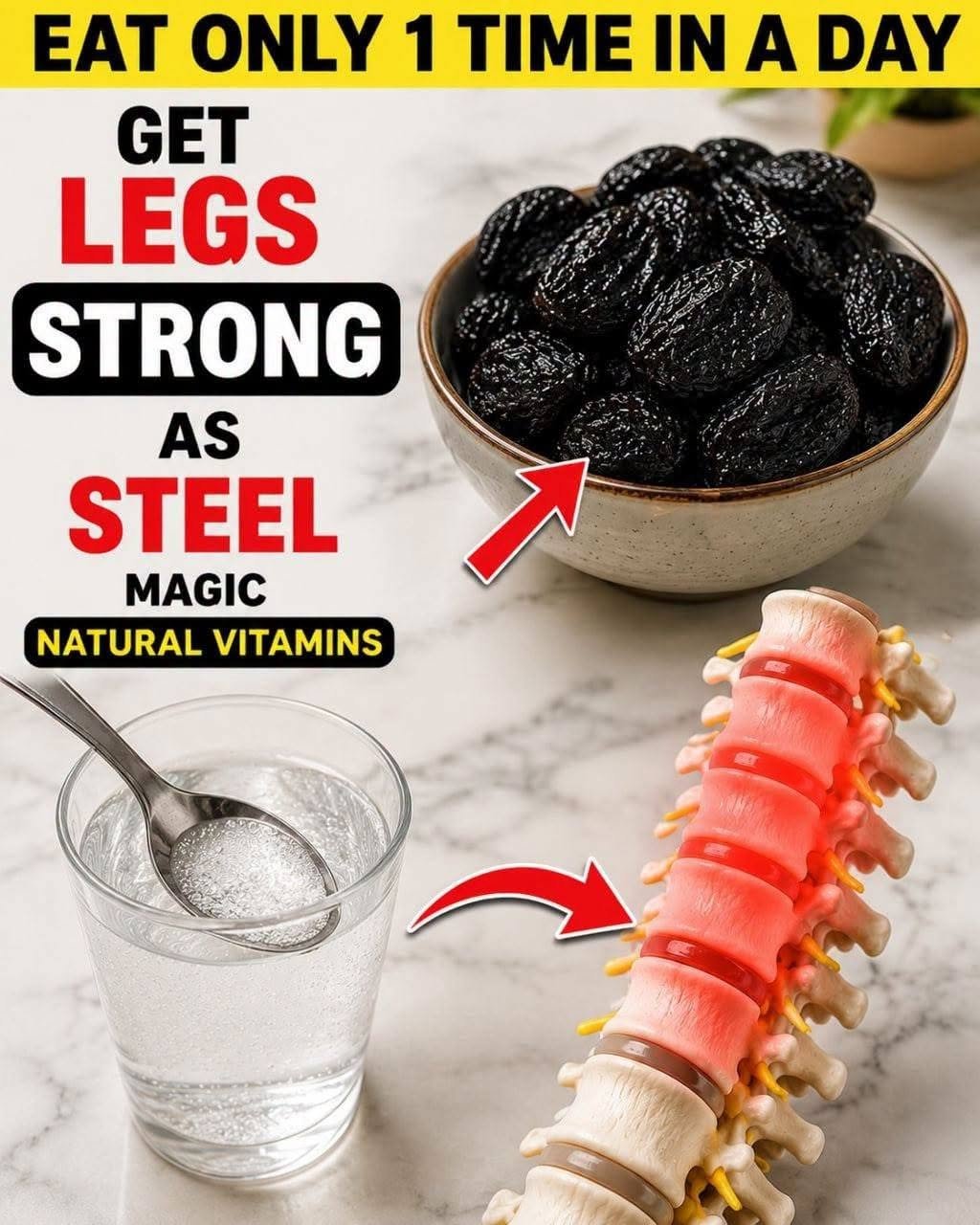
When health articles and supplement spotlights ask whether magnesium, zinc, and boron can support joint health and manage arthritis, they touch on an area of growing clinical interest.
From a rheumatological and nutritional standpoint, minerals don’t act as “magic cures” that reverse structural joint damage or cartilage wear, but they play essential biochemical roles in managing inflammation, supporting bone density, and regulating muscle tension around aching joints.
The Role of the 3 Minerals in Joint & Bone Health
Each of these essential minerals contributes differently to musculoskeletal wellness:
1. Magnesium: The Muscle Relaxer and Inflammatory Regulator
-
How It Works: Magnesium is required for hundreds of enzymatic reactions, including muscle relaxation and nerve transmission. When joints are stiff from arthritis, the surrounding muscles often lock into protective spasms. Magnesium helps relax those tight supporting muscles. Additionally, clinical research indicates that adequate magnesium levels help modulate systemic inflammatory pathways (like C-reactive protein).
-
Dietary Sources: Leafy greens, pumpkin seeds, almonds, black beans, and avocados.
2. Boron: The Bone and Cartilage Supporter
-
How It Works: Boron is a trace mineral that influences how the body handles calcium, magnesium, and vitamin D—all of which are vital for maintaining the structural integrity of the subchondral bone underlying your joint cartilage. Some small clinical studies suggest that boron supplementation may help reduce joint discomfort and stiffness in individuals with osteoarthritis.
-
Dietary Sources: Prunes, raisins, nuts, avocados, and legumes.
3. Zinc: The Tissue Repair and Immune Modulator
-
How It Works: Zinc is crucial for cellular repair, collagen synthesis, and immune regulation. Because joint tissues (including tendons, ligaments, and cartilage matrices) rely on continuous cellular maintenance and collagen production, maintaining balanced zinc levels supports overall structural resilience.
-
Dietary Sources: Lean meats, shellfish (especially oysters), pumpkin seeds, and lentils.
A Realistic Clinical Perspective on Mineral Supplements
While ensuring you aren’t deficient in these minerals is a cornerstone of good health, it is important to approach targeted joint supplements with a balanced view:
-
Support, Not a Substitute: Minerals can help reduce systemic inflammation, ease muscle tension around sore joints, and support bone metabolism, but they will not regenerate worn-down cartilage.
-
Quality and Interactions: High-dose mineral supplements can sometimes interfere with prescription medications (such as certain antibiotics, thyroid medications, or diuretics). Always review new supplements with your primary care provider or rheumatologist.
-
The Foundation First: Combining adequate micronutrient intake with gentle, joint-friendly movement (like low-impact swimming or stationary cycling) and anti-inflammatory eating patterns yields the most profound improvements in daily mobility and comfort.
Are you exploring ways to manage joint stiffness, or looking into specific dietary and supplement routines for healthy aging?
