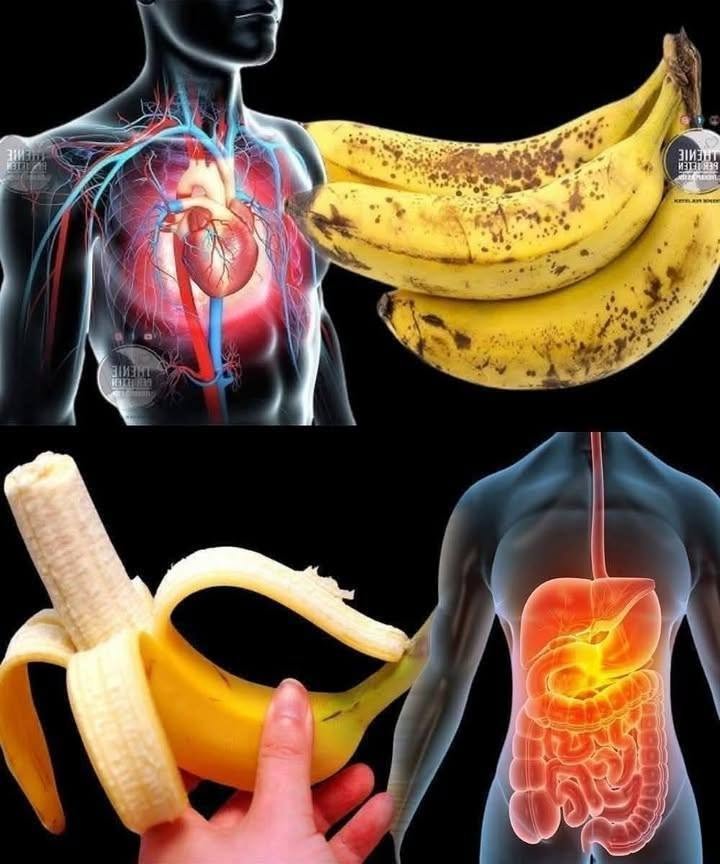
When sensationalized health clickbait warns or teases that “eating bananas increases…” they are usually setting you up for a dramatic scare about sudden potassium toxicity, dangerous blood sugar spikes, or weight gain, framing a wholesome everyday fruit as a hidden dietary hazard.
From a clinical nutrition and physiological perspective, eating bananas does increase certain things in your body—most notably your circulating potassium levels, readily available energy, and fiber intake—but for the vast majority of healthy individuals, these are entirely positive, nourishing metabolic responses rather than medical emergencies.
What Eating a Banana Actually Increases in Your Body
When you enjoy a medium banana, several clear nutritional shifts happen:
-
Potassium Levels (Electrolytes): Bananas are well-known for being rich in potassium, an essential mineral and electrolyte that helps regulate fluid balance, nerve signals, and muscle contractions (including keeping your heart rhythm steady). For healthy kidneys, your body effortlessly filters out any excess potassium. However, individuals with advanced chronic kidney disease do need to monitor potassium intake because their kidneys cannot clear it efficiently.
-
Immediate Glycemic Energy: As carbohydrates, bananas provide a quick influx of natural fruit sugars (fructose, glucose, and sucrose) bound up with starch. This gives you a fast, clean energy boost, which is why athletes often eat them right before or after a workout.
-
Digestive Fiber: Eating a banana increases your intake of both soluble and prebiotic fibers, which feed beneficial gut bacteria and support smooth gastrointestinal motility.
-
The “Sugar Spike” Myth: While bananas do contain carbohydrates, a medium banana has a moderate glycemic index, especially when paired with the natural fiber matrix. For most people, it does not cause a dangerous blood sugar surge—though pairing it with a protein or healthy fat (like peanut butter or Greek yogurt) flattens the glucose curve even further.
Evidence-Based Ways to Enjoy Bananas as Part of a Balanced Diet
If you want to reap the cardiovascular and nutritional benefits of bananas without worrying about exaggerated health myths, clinical dietitians recommend these simple practices:
-
Pair for Stability: If you are mindful of blood sugar fluctuations, enjoy your banana alongside a source of healthy fat or protein, such as a handful of almonds, walnuts, or cottage cheese.
-
Choose Your Ripeness: Slightly greener bananas contain more resistant starch, which acts like fiber and digests more slowly, resulting in a lower glycemic impact. Sweeter, fully yellow or speckled bananas have higher simple sugar content and are quicker to digest.
-
Honor Personal Medical Guidelines: If your physician or nephrologist has specifically placed you on a low-potassium diet due to kidney function concerns, coordinate closely with them regarding portion sizes for high-potassium foods like bananas, avocados, and oranges.
Are you looking into heart-healthy nutrition and potassium-rich foods, or exploring ways to balance everyday dietary choices?
