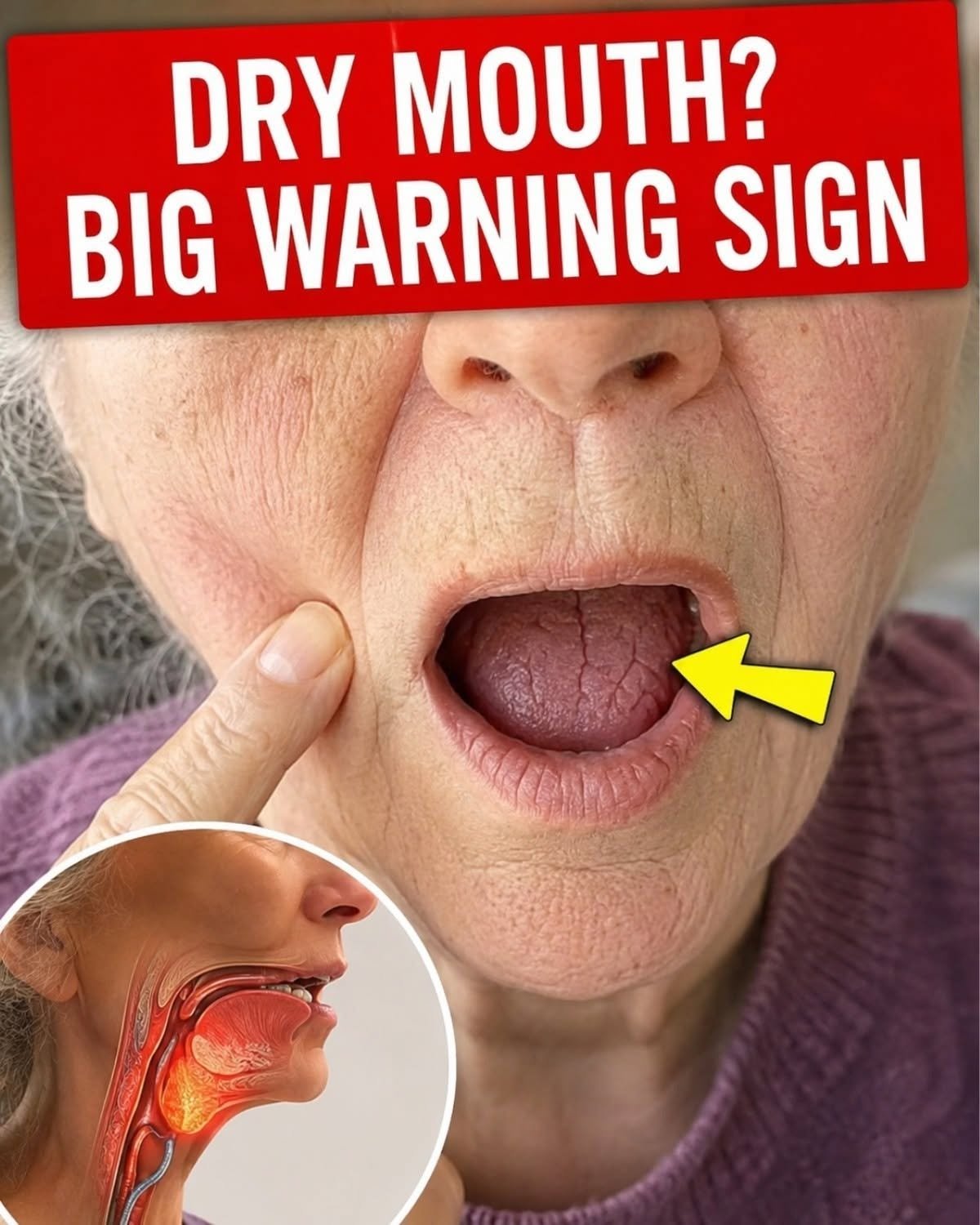
When sensationalized health clickbait grabs your attention with a headline like “Dry Mouth Is Not Aging — It’s Your Saliva Shutting Down,” they are taking a very real, uncomfortable condition (xerostomia) and framing it as an alarming, mysterious organ failure. They want you to panic and click on their article to discover some secret remedy.
From a clinical geriatrics and pharmacology perspective, dry mouth is indeed not an inevitable consequence of simply growing older. However, saliva production doesn’t just arbitrarily “shut down” on its own; rather, it is almost always a direct side effect of something concrete and identifiable—most commonly, medications.
The Reality Behind Dry Mouth (Xerostomia)
Why do older adults frequently experience dry mouth, and what is actually happening in the body?
-
The Medication Culprit (Anticholinergic Effects): Salivary glands are stimulated by nerves, but many common prescription and over-the-counter drugs block those nerve signals. This includes medications for blood pressure, depression, anxiety, allergies (antihistamines), and bladder control. It is estimated that over 400 common medications cause dry mouth as a side effect.
-
Systemic Health and Hydration: Chronic dehydration, poorly managed diabetes, or autoimmune conditions like Sjögren’s syndrome (where the body’s immune system attacks moisture-producing glands) can also significantly reduce salivary flow.
-
Why Saliva Matters So Much: Saliva is not just water; it is a vital protective fluid. It lubricates the mouth for swallowing, contains digestive enzymes, neutralizes plaque-forming acids, and is packed with minerals (like calcium and phosphate) that actively remineralize and protect tooth enamel. Without it, oral health can deteriorate rapidly.
Evidence-Based Ways to Manage and Protect Against Dry Mouth
If you or an older loved one are dealing with persistent dry mouth, clinical dental and medical guidelines recommend a practical, protective approach:
-
Review Your Medications with Your Doctor: Never stop taking a prescribed medication on your own, but do ask your physician or pharmacist: “Could any of my daily medications be causing my dry mouth, and is there an alternative or a timing adjustment we can make?”
-
Prioritize Frequent Hydration: Keep a water bottle with you and take small, frequent sips throughout the day. Water is your primary defense against discomfort.
-
Use Saliva Substitutes and Stimulants: Over-the-counter artificial saliva sprays, oral rinses, or lozenges containing xylitol can help mimic natural moisture and stimulate residual salivary flow. Sugar-free gum or hard candies (especially those with citrus or mint) can also help prompt saliva production.
-
Maintain Meticulous Oral Hygiene: Because reduced saliva removes your mouth’s natural defense against tooth decay, brush twice daily with a high-fluoride toothpaste, floss regularly, and keep up with routine dental checkups to prevent rapid cavities.
