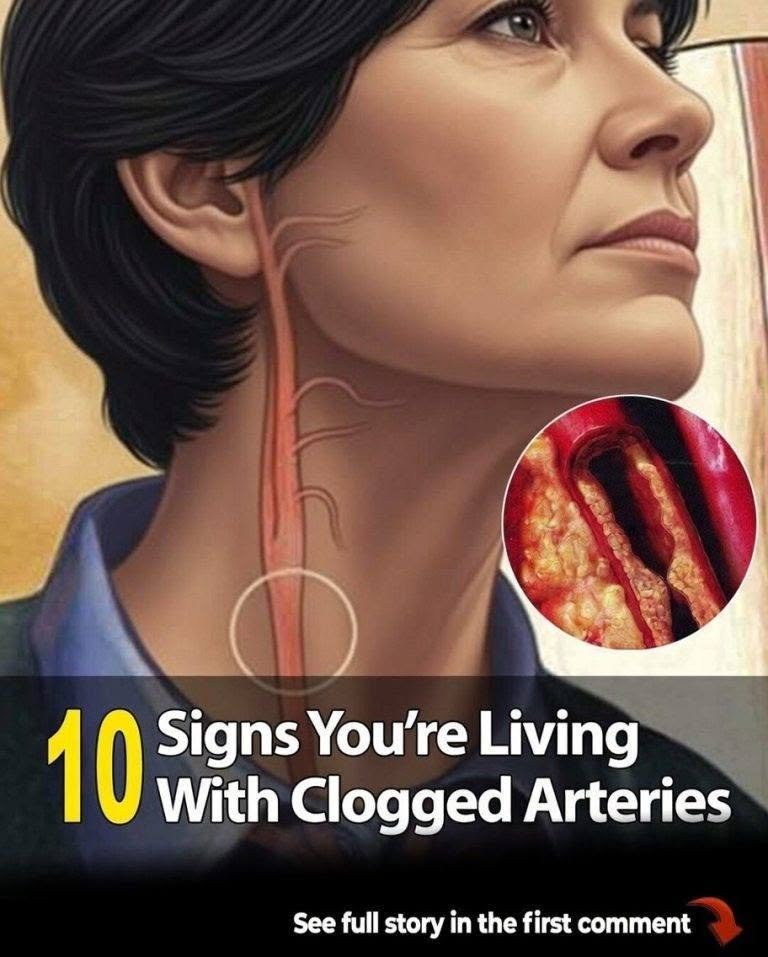
When sensationalized health clickbait flashes headlines like “10 Indicators of Blocked Arteries You Shouldn’t Ignore,” they rely on intense fear-mongering. They take vague, everyday physical quirks—like a mild foot cramp, a twitch, or occasional fatigue—and frame them as imminent heart attack warnings, driving you to panic and click.
From a clinical cardiology and vascular medicine perspective, atherosclerosis (the buildup of plaque inside your arteries) is a serious, progressive condition. However, major arterial blockages do not usually announce themselves with mysterious, random symptoms. Understanding how vascular disease actually develops and recognizing legitimate clinical warning signs empowers you to collaborate effectively with your healthcare team without falling for alarmist myths.
The Reality Behind Arterial Plaque and Symptoms
Why do blocked arteries occur, and how do they manifest physically?
-
The Silent Nature of Early Atherosclerosis: Plaque buildup (composed of cholesterol, calcium, and cellular waste) accumulates slowly over decades inside arterial walls. In its early and moderate stages, atherosclerosis is entirely asymptomatic. Your body can often compensate, or blood flow remains sufficient at rest.
-
When Symptoms Actually Appear: Physical warning signs typically only emerge when an artery becomes critically narrowed (usually 70% or more) or completely blocked, restricting blood flow to a specific organ or muscle group during times of increased demand.
-
Location Matters: Blocked arteries are systemic, but where symptoms show up depends entirely on which vascular bed is starved of oxygen—whether it is the heart (coronary artery disease), the brain (carotid disease), or the legs (peripheral artery disease).
10 Legitimate Clinical Indicators of Vascular Restriction
While clickbait exaggerates minor aches, clinicians evaluate specific, persistent signs that indicate restricted blood flow:
-
1. Exertional Chest Pain or Pressure (Angina)
-
What it indicates: When coronary arteries supplying the heart muscle are narrowed, physical exertion or emotional stress starves the heart of oxygen, causing a squeezing or heavy pressure in the chest that typically subsides with rest.
-
-
2. Shortness of Breath During Routine Activities
-
What it indicates: If the heart muscle cannot pump efficiently due to restricted blood flow or strain, fluid can back up into the lungs, making everyday tasks like climbing stairs unexpectedly breath-withdrawing.
-
-
3. Intermittent Claudication (Leg Pain with Walking)
-
What it indicates: A classic sign of Peripheral Artery Disease (PAD). Blocked arteries in the legs cause cramping, aching, or fatigue in the calves, thighs, or buttocks during walking, which reliably disappears after a few minutes of rest.
-
-
4. Coldness or Numbness in a Extremity
-
What it indicates: Chronically reduced arterial circulation to a limb can leave a hand or foot feeling noticeably colder than the other side, sometimes accompanied by numbness or tingling.
-
-
5. Slow-Healing Sores or Wounds on the Feet or Toes
-
What it indicates: Healthy blood flow is essential for tissue repair and immune defense. Persistent ulcers on the lower extremities that refuse to heal can signal advanced PAD.
-
-
6. Weak or Absent Pulses in the Limbs
-
What it indicates: During a physical examination, a doctor may notice a diminished pulse in the wrist, groin, or top of the foot, indicating reduced blood flow through that major artery.
-
-
7. Changes in Skin Color or Texture on the Legs
-
What it indicates: Severely restricted arterial blood flow can cause the skin on the legs or feet to appear pale, shiny, taut, or bluish, particularly when elevated.
-
-
8. Transient Ischemic Attacks (TIAs) or “Mini-Strokes”
-
What it indicates: Temporary blockages or plaque breaking loose in the carotid arteries supplying the brain can cause sudden, brief neurological deficits—such as temporary weakness on one side, slurred speech, or vision blurring.
-
-
9. Erectile Dysfunction
-
What it indicates: Because penile arteries are much smaller in diameter than coronary arteries, microvascular endothelial dysfunction often manifests here years before a major cardiac event, serving as an early vascular warning sign in men.
-
-
10. Unexplained Fatigue or Dizziness
-
What it indicates: When overall cardiovascular output is compromised by systemic vascular disease, the brain and body receive less oxygenated blood, leading to pervasive, unusual exhaustion.
-
Evidence-Based Ways to Protect and Preserve Arterial Health
If you want to maintain clear, flexible arteries and prevent cardiovascular complications, clinical guidelines emphasize powerful, proactive lifestyle habits:
-
Manage Blood Pressure and Cholesterol: Routine screening and management of hypertension and atherogenic lipids (like LDL cholesterol and triglycerides) stop plaque from forming and progressing.
-
Embrace Vascular-Protective Nutrition: Focus on a Mediterranean-style eating pattern rich in soluble fiber, omega-3 fatty acids, leafy greens, and antioxidant-packed berries that support endothelial health.
-
Commit to Regular Aerobic Movement: Walking, swimming, or cycling forces your blood vessels to dilate and contract, stimulating the release of nitric oxide and keeping your vascular network resilient.
-
Quit Smoking Immediately: Smoking is one of the most aggressive destroyers of endothelial lining, accelerating arterial plaque buildup and promoting blood clots. Cessation dramatically halts this damage.
