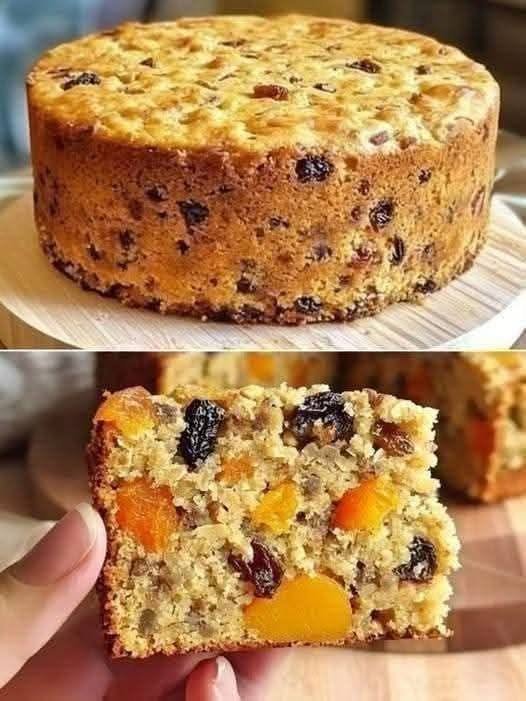
When home bakers look for a healthier alternative like a “flourless and sugar-free oatmeal carrot and fruit cake,” they are often navigating dietary restrictions, seeking nutrient density, or simply looking to enjoy a wholesome treat without the glycemic rollercoaster of refined flour and white sugar.
From a culinary science and nutritional perspective, baking without traditional wheat flour and refined sugar requires rethinking how structure, moisture, and sweetness are achieved. Without gluten and sucrose, you rely on whole food chemistry to deliver a tender, satisfying cake.
The Culinary Science Behind Flourless, Sugar-Free Baking
How do you build a cohesive, delicious cake without wheat flour or added sugar?
-
The Binding Power of Blended Oats: Rolled oats act as both the bulk and the structural binder. When blended into a fine flour and combined with eggs and fruit moisture, oats absorb liquid and create a dense, satisfying crumb structure rich in soluble fiber (beta-glucan).
-
Natural Sweetness from Fruit: Instead of granulated sugar, whole fruits—such as ripe bananas, unsweetened applesauce, or grated carrots—provide natural fructose along with moisture, bulk, and soluble fiber, which slows down sugar absorption in the bloodstream.
-
Moisture and Fat Balance: Carrots release natural water as they bake, while eggs provide proteins that set the structure as the cake cooks. Adding a healthy fat like mashed banana, Greek yogurt, or a touch of coconut oil prevents the oats from drying out.
A Chef-Crafted, Nourishing Recipe Blueprint
Here is a wholesome, nutrient-dense recipe for a flourless, sugar-free oatmeal carrot and fruit cake that satisfies naturally.
Ingredients:
-
The Dry Base: 2 cups rolled oats (blended into a fine flour texture), 1.5 tsp baking powder, 1 tsp ground cinnamon, ½ tsp ground ginger, and a pinch of salt.
-
The Fruit & Veggie Moisture: 1.5 cups finely grated carrots (squeezed gently in a clean towel to remove excess moisture), 1 ripe banana (mashed), ½ cup unsweetened applesauce.
-
The Wet Binders: 3 large eggs, ¼ cup unsweetened almond milk (or milk of choice), 2 tbsp melted coconut oil or melted butter, 1 tsp vanilla extract.
-
Optional Add-Ins: ½ cup chopped walnuts or pecans, ¼ cup unsweetened raisins or dried cranberries for natural bursts of texture.
Step-by-Step Method:
-
Prep and Pre-Heat: Preheat your oven to 350°F (175°C). Line an 8-inch loaf pan or cake tin with parchment paper or grease it lightly.
-
Blend the Dry Ingredients: Place the rolled oats in a food processor or blender and pulse until they form a fine flour. Transfer to a large bowl and whisk in the baking powder, cinnamon, ginger, and salt.
-
Mix the Wet Ingredients: In a separate bowl, whisk together the mashed banana, applesauce, eggs, melted coconut oil, almond milk, and vanilla extract until smooth.
-
Combine and Fold: Pour the wet mixture into the dry ingredients, stirring just until combined. Gently fold in the grated carrots and optional nuts or raisins.
-
Bake: Pour the batter into your prepared pan. Bake for 35–40 minutes, or until a toothpick inserted into the center comes out clean. Let cool completely before slicing.
Evidence-Based Nutritional Highlights
-
Sustained Energy Release: Because this cake relies on whole oats, fiber-rich carrots, and fruit rather than refined carbohydrates, it provides a slow, steady release of glucose, avoiding the sharp energy spikes and crashes of traditional baked goods.
-
Gut Health Support: The combination of oat beta-glucan and fibrous vegetables supports a healthy, diverse microbiome.
