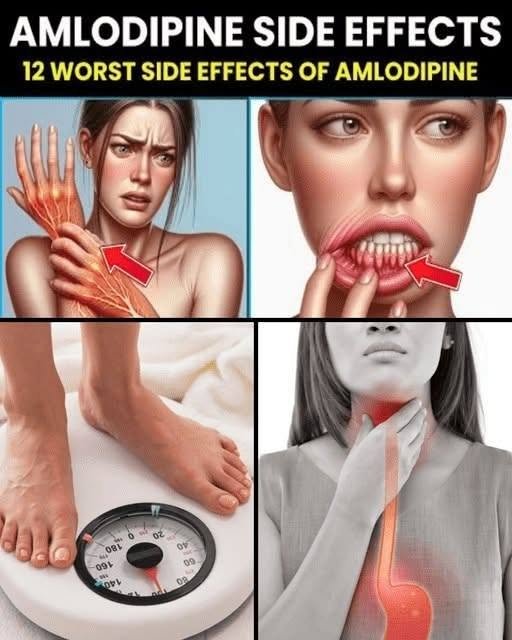
Amlodipine (commonly known by its brand name Norvasc) is a widely prescribed medication belonging to a class of drugs called calcium channel blockers. It is primarily used to treat hypertension (high blood pressure) and coronary artery disease by relaxing the smooth muscle in your blood vessel walls, allowing blood to flow more easily and reducing the workload on your heart.
While amlodipine is generally safe and highly effective, like all pharmaceuticals, it can cause side effects. Understanding which reactions are normal and which require prompt medical attention is essential for safe management.
Here is a comprehensive breakdown of 12 reactions associated with amlodipine and when you should seek professional medical help.
Part 1: Common and Mild Side Effects
These side effects are typically related to the drug’s mechanism of action—namely, the widening (dilation) of your blood vessels. They often appear when starting the medication or following a dosage increase, and frequently subside as your body adjusts.
-
Peripheral Edema (Lower Extremity Swelling): This is the most common side effect of amlodipine. Because the drug dilates small arteries more than veins, fluid can leak into surrounding tissues, causing noticeable swelling in your feet, ankles, and lower legs, particularly after standing for long periods.
-
Facial Flushing and Warmth: Sudden dilation of blood vessels near the skin’s surface—especially in the face, neck, and chest—can cause a warm, reddened sensation.
-
Mild Dizziness or Lightheadedness: As your blood pressure drops into a healthier range, you may occasionally feel a bit lightheaded, particularly when standing up quickly (orthostatic hypotension).
-
Fatigue and Lethargy: Lowering blood pressure forces your cardiovascular system to adapt, which can temporarily leave you feeling more tired or lacking energy during the first few weeks.
-
Headaches: Vascular dilation in the brain can trigger mild, intermittent tension headaches as your vascular system adjusts to the new pressure dynamics.
-
Nausea or Mild Upset Stomach: Some individuals experience mild gastrointestinal discomfort, which can often be minimized by taking amlodipine with food.
Part 2: Less Common and More Pronounced Reactions
If these symptoms persist, worsen, or significantly impact your daily comfort, you should consult your prescribing physician for an evaluation.
-
Palpitations or Rapid Heartbeat: Though amlodipine lowers blood pressure, your body may occasionally experience a compensatory reflex increase in heart rate, making you feel fluttering or pounding in your chest.
-
Muscle Cramps or Weakness: Changes in fluid balance and vascular resistance can occasionally contribute to muscle stiffness or cramping in the extremities.
-
Drowsiness or Sleep Disturbances: While less frequent, some patients report altered sleep patterns or daytime sleepiness while adjusting to the medication.
-
Abdominal Discomfort or Bloating: Changes in smooth muscle tone throughout the digestive tract can occasionally lead to mild cramping or a feeling of fullness.
Part 3: Severe Side Effects (When to Seek Immediate Medical Help)
While rare, certain reactions indicate a more serious adverse response or an allergic reaction. Contact your doctor immediately or seek emergency medical care if you experience any of the following:
-
Severe Chest Pain or Worsening Angina: In rare cases, lowering blood pressure too rapidly can paradoxically trigger or worsen chest pain (angina) or signal a cardiac event. Seek emergency help if chest pain is crushing, sudden, or accompanied by shortness of breath.
-
Signs of a Severe Allergic Reaction (Anaphylaxis): Seek immediate emergency care if you develop sudden hives, swelling of your face, lips, tongue, or throat, or severe difficulty breathing after taking your dose.
Clinical Guidance for Managing Side Effects
-
Never Stop Abruptly: Never stop taking amlodipine suddenly or alter your dosage without consulting your physician. Abrupt cessation can cause a dangerous rebound spike in blood pressure.
-
Manage Swelling Safely: If you experience ankle swelling, do not attempt to treat it with over-the-counter diuretic pills unless explicitly prescribed by your doctor. Elevating your legs when resting can provide gentle relief.
-
Review All Medications: Ensure your doctor is aware of all other medications, supplements, or over-the-counter drugs you take, as interactions can amplify side effects.
Medical Note: Always report persistent or bothersome side effects to your healthcare provider. They can determine whether a simple dosage adjustment or an alternative medication class is more suitable for your individual physiology.
