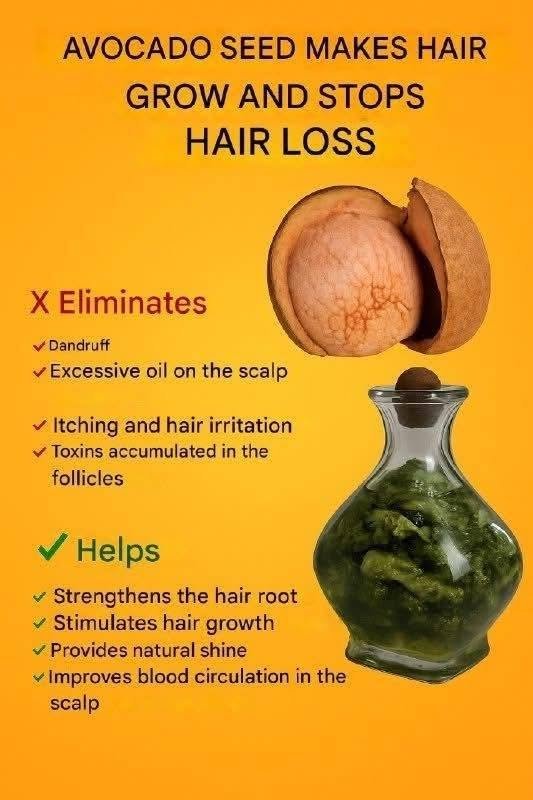
When viral social media beauty hacks claim that rubbing, boiling, or consuming avocado seeds magically cures hair loss and supercharges hair growth, dermatologists and trichologists advise taking a cautious, clinical step back.
While avocados themselves are packed with healthy fats, biotin, and vitamins that nourish hair health from the inside out, the avocado seed (or pit) requires a much closer look through an evidence-based lens.
The Claims vs. The Clinical Reality
1. Where the Idea Comes From (Antioxidants and Plant Compounds)
-
The Science: Avocado seeds contain high concentrations of phenolic antioxidants, plant sterols, and fatty acids. Some laboratory and animal studies suggest these compounds possess anti-inflammatory or antimicrobial properties.
-
The Leap: Viral videos take these preliminary lab findings and assume that grinding up a pit into a paste or tonic will actively block hair loss hormones or stimulate dormant human hair follicles. To date, there are no robust clinical human trials proving that topical or DIY avocado seed applications reverse hair loss or accelerate hair growth.
2. Safety and Toxicity Concerns
-
The Catch: Unlike the creamy green flesh of the fruit, avocado seeds contain natural defense compounds (such as tannins and persin in certain varieties) that can be irritating to the skin, cause contact dermatitis, or cause digestive distress if ingested in concentrated DIY formats. Applying harsh or unverified botanical extracts directly to the scalp can sometimes trigger inflammation rather than healing.
Evidence-Based Ways to Support Healthy Hair Growth
If you are looking to manage hair thinning and support strong, vibrant hair, dermatologists recommend focusing on proven, safe strategies:
-
Optimize Your Nutrition: Focus on whole foods rich in protein, iron, zinc, and B-vitamins—such as eggs, leafy greens, nuts, seeds, and the flesh of avocados. Hair is made of protein (keratin), so adequate dietary intake is foundational.
-
Evaluate Underlying Triggers: Hair thinning can stem from many factors, including stress, hormonal shifts (such as thyroid changes or perimenopause), nutrient deficiencies (like low ferritin or Vitamin D), or genetics (pattern baldness).
-
Consult a Dermatologist: If you are experiencing noticeable hair loss, a professional evaluation can pinpoint the exact root cause. Proven medical treatments—such as topical minoxidil or prescription therapies—have decades of clinical data backing their safety and efficacy.
Are you exploring ways to support your hair and scalp health, or looking into routine wellness and nutrition habits?
