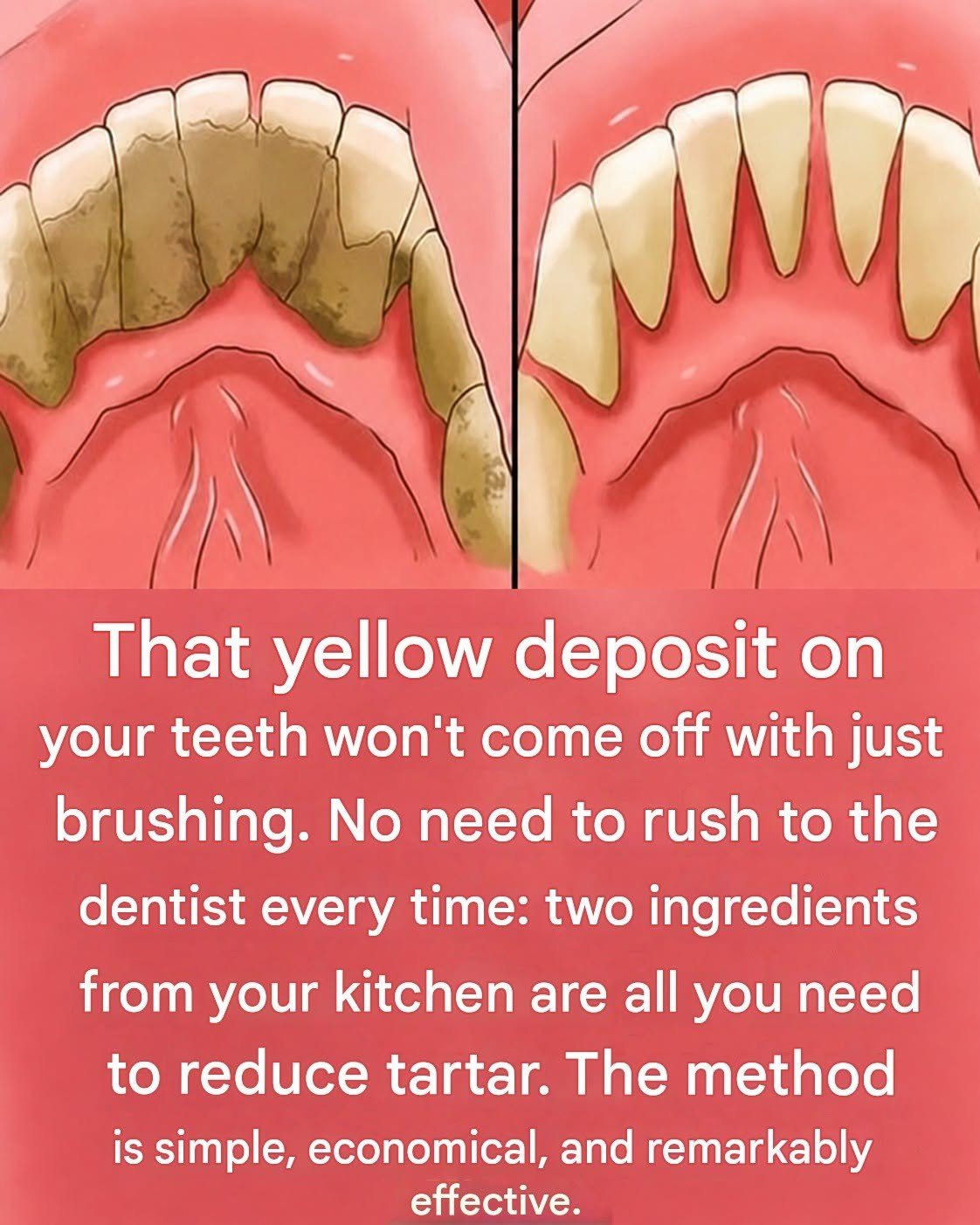
While professional dental cleanings by a hygienist or dentist are essential for completely removing hardened dental calculus (tartar), maintaining optimal daily oral hygiene can prevent plaque from mineralizing into tartar in the first place. Once plaque calcifies onto the teeth, it bonds strongly to the enamel and typically requires specialized ultrasonic or manual dental instruments to scrape away safely without damaging your gums or tooth structure.
Attempting to aggressively scrape, pick, or chisel tartar off your teeth at home with metal tools, pins, or sharp instruments carries severe risks, including gouging your tooth enamel, slicing your gums, introducing bacteria deep into your periodontal tissue, and causing painful infections.
However, you can take proactive, dentist-approved steps at home to remove soft dental plaque, slow down new tartar formation, and support long-term oral health:
1. Upgrade to an Electric (Sonic or Oscillating) Toothbrush
-
Why it helps: Clinical studies consistently show that electric toothbrushes remove significantly more plaque than manual brushing. Their high-speed vibrations and rotating heads disrupt bacterial biofilms far more effectively, stopping soft plaque from hardening into tartar.
-
How to use it: Spend a full two minutes brushing twice a day, holding the brush at a 45-degree angle toward the gumline to sweep away debris.
2. Master Interdental Cleaning (Flossing or Water Flossing)
-
Why it helps: Your toothbrush only cleans about 60% of your tooth surfaces. Plaque quickly accumulates between tight teeth where bristles cannot reach, eventually calcifying into interdental tartar.
-
How to use it: Floss daily using dental floss, interdental brushes, or a water flosser to dislodge food particles and soft plaque from the spaces your toothbrush misses.
3. Use a Tartar-Control Toothpaste
-
Why it helps: Specialized toothpastes often contain active ingredients like pyrophosphates, zinc citrate, or fluoride. These compounds help inhibit the crystallization of saliva minerals onto dental plaque, effectively slowing down how fast new tartar forms.
4. Rinse with an Antiseptic Mouthwash
-
Why it helps: Daily rinsing with an antimicrobial mouthwash helps kill the lingering bacteria responsible for plaque formation and gingivitis, reducing overall bacterial load in hard-to-reach areas of the mouth.
5. Eat Crunchy, Fiber-Rich Foods and Stay Hydrated
-
Why it helps: Crisp raw vegetables and fruits—like apples, carrots, and celery—act as mild, natural mechanical scrubbers against tooth surfaces while stimulating saliva production. Saliva is your mouth’s natural defense mechanism, neutralizing acids and washing away food particles.
What to Avoid: Dangerous “DIY” Tartar Removals
Internet trends sometimes suggest using harsh homemade mixtures or sharp metal dental picks. Avoid these harmful practices:
-
Baking Soda & Lemon Juice Scrubs: While baking soda is mildly abrasive, combining it with acidic lemon juice lowers the pH and can erode your tooth enamel, leaving teeth permanently sensitive and vulnerable to decay.
-
Scraping with Metal Tools: Using metal picks at home almost always results in lacerated gums, bleeding, and accidental scratching of the tooth enamel, which creates microscopic grooves where bacteria and plaque accumulate even faster.
When to See Your Professional Dentist
If you notice hardened yellow or brown deposits clinging near your gumline or between your teeth, the only safe and effective way to remove them is through a professional scaling procedure performed by a dental hygienist. Regular dental checkups every six months ensure that hardened tartar is safely cleared away before it can trigger gum recession, periodontal disease, or bone loss.
