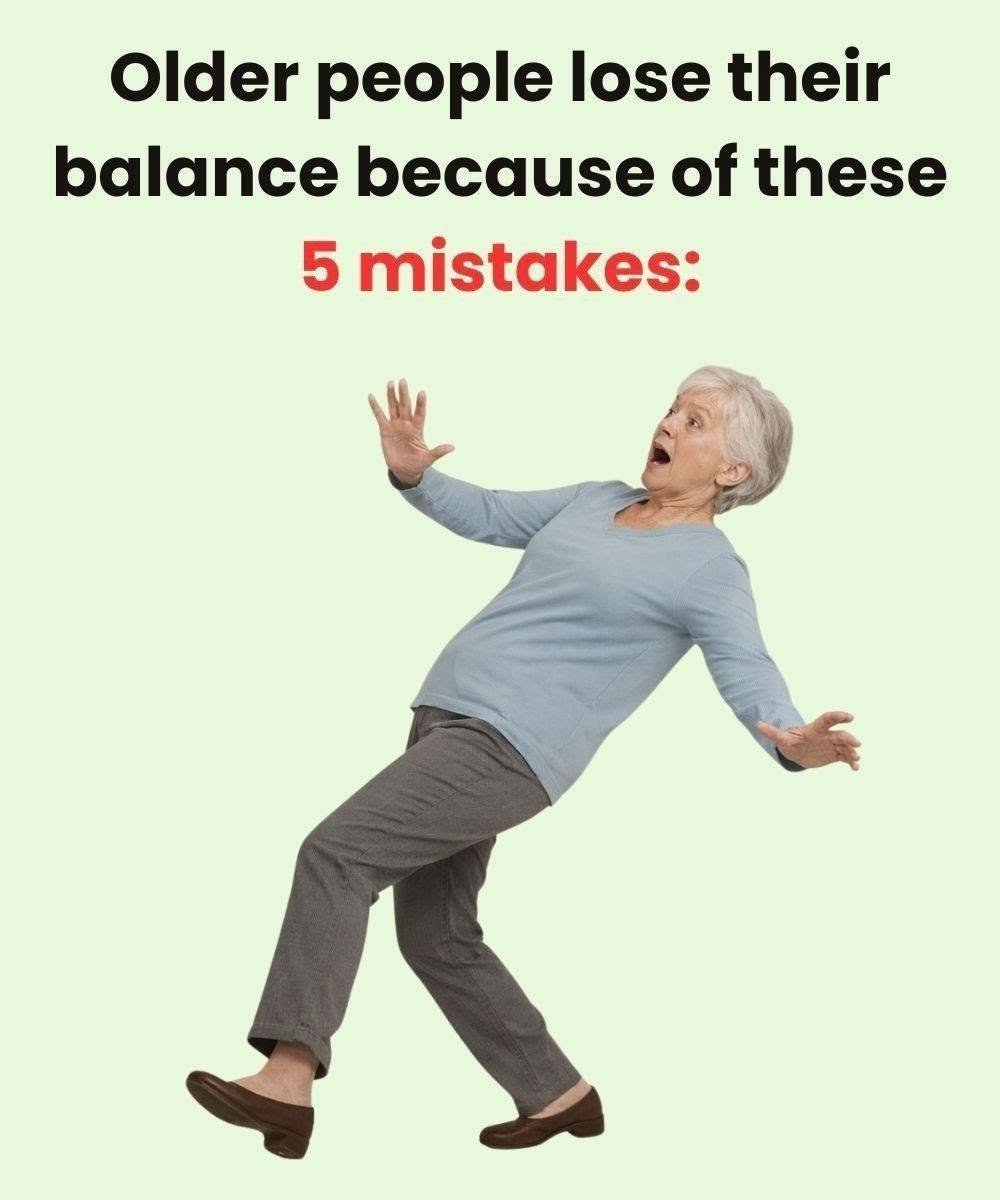
Maintaining good balance is essential for independence, mobility, and preventing dangerous falls as we age. However, subtle habits, environmental oversights, and misunderstandings about physical decline can quietly compromise stability.
Here are 7 common mistakes that negatively affect balance in older adults, along with how to avoid them:
1. Avoiding Exercise Out of Fear of Falling
-
The Mistake: Many older adults reduce physical activity because they are afraid of losing their footing, thinking rest equals safety.
-
The Reality: Inactivity leads to rapid muscle atrophy (especially in the legs and core), stiff joints, and a weaker vestibular system. Muscles that aren’t used quickly lose their ability to make rapid micro-adjustments to keep you upright.
-
The Fix: Incorporate safe, low-impact movements like walking, chair yoga, or beginner balance exercises (such as heel-to-toe walking while holding onto a counter).
2. Neglecting Strength Training (Especially the Lower Body)
-
The Mistake: Focusing solely on gentle walking or stretching while completely ignoring resistance training.
-
The Reality: Balance relies heavily on lower-body power—specifically the quadriceps, glutes, calves, and ankles. If your ankle muscles are weak, you cannot sway or catch yourself when you trip.
-
The Fix: Perform simple bodyweight exercises like chair squats (sitting down and standing up without using your hands) and calf raises.
3. Wearing Improper Footwear Indoors and Out
-
The Mistake: Walking around the house in slick socks, bare feet, or worn-out slippers with no traction, or wearing heavy, stiff, or high-heeled shoes outside.
-
The Reality: Your feet are packed with sensory receptors that send signals to your brain about the ground beneath you. Thick, unyielding soles or slippery socks cut off that feedback and increase trip hazards.
-
The Fix: Choose lightweight, supportive shoes with non-skid rubber soles, even inside the house. Avoid walking in slick socks on hardwood or tile floors.
4. Ignoring Vision and Hearing Changes
-
The Mistake: Delaying eye exams or ignoring gradual hearing loss, assuming it’s just a normal part of aging.
-
The Reality: Your balance system is a three-legged stool relying on your eyes (visual cues), your inner ear (vestibular system), and proprioception (sensors in your joints and muscles). If your vision is blurry or your inner ear is struggling, your brain loses critical orientation data. Furthermore, hearing plays a surprisingly large role in spatial awareness and environmental balance.
-
The Fix: Get your eyes checked annually, update glasses prescriptions promptly, and have your hearing evaluated if you notice changes.
5. Overlooking Medication Side Effects
-
The Mistake: Taking multiple medications without reviewing how they interact or affect alertness.
-
The Reality: Many common prescriptions and over-the-counter drugs cause side effects like dizziness, drowsiness, blurred vision, or lowered blood pressure (orthostatic hypotension). This includes blood pressure medications, sedatives, antidepressants, and certain allergy meds.
-
The Fix: Have your doctor or pharmacist review your medication list regularly to check for “fall-risk-increasing drugs” (FRIDs).
6. Leaving Common Fall Hazards in the Home
-
The Mistake: Keeping loose throw rugs, cluttered hallways, dim lighting, or electrical cords snaking across walkways.
-
The Reality: Over 60% of falls happen at home. Even a minor hesitation or a slightly caught toe on a loose rug can cause a loss of balance that older reflexes cannot recover from quickly enough.
-
The Fix: Secure or remove all loose rugs, clear floor clutter, install nightlights in hallways and bathrooms, and add grab bars in the shower and near the toilet.
7. Overlooking Hydration and Nutrition
-
The Mistake: Drinking too little water or skipping meals, leading to low blood sugar or mild dehydration.
-
The Reality: Dehydration can cause sudden drops in blood pressure when standing up, leading to lightheadedness and dizzy spells. Similarly, poor protein intake accelerates muscle wasting, weakening the core and leg strength needed for stability.
-
The Fix: Keep a water glass handy throughout the day, sip regularly even if you aren’t intensely thirsty, and eat balanced meals rich in protein and calcium.
