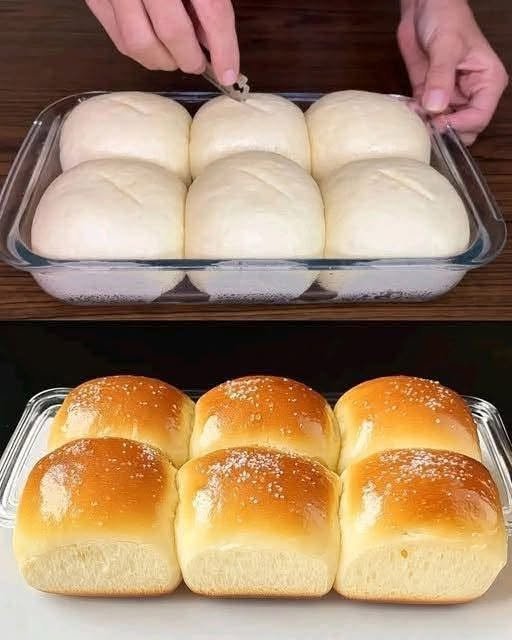
Creating a diabetic-friendly, sugar-free soft vanilla milk bread allows you to enjoy the cloud-like, pillowy texture of traditional Asian milk bread (Hokkaido style) without the glycemic spikes caused by refined sugar and white flour.
To keep it blood-sugar friendly, this recipe swaps regular sugar for a zero-calorie, tooth-friendly sweetener like monk fruit extract or erythritol, and uses slow-digesting techniques to maintain that signature velvety crumb.
Ingredients
-
The Dry Ingredients:
-
3 ½ cups (420g) bread flour (or high-protein unbleached flour for optimal gluten structure and rise)
-
⅓ cup erythritol or monk fruit sweetener (granulated, keto-friendly, 1:1 sugar replacement)
-
2 teaspoons active dry yeast or instant yeast
-
1 teaspoon salt
-
-
The Wet Ingredients:
-
1 cup (240ml) lukewarm unsweetened almond milk, dairy milk, or soy milk (milk provides the natural lactose and proteins needed for soft milk bread)
-
1 large egg (at room temperature)
-
2 tablespoons unsalted butter (melted, or coconut oil)
-
2 teaspoons pure vanilla extract (or vanilla bean paste for rich aromatic depth)
-
-
The Tangzhong Starter (Secret to Ultimate Softness):
-
3 tablespoons water + 3 tablespoons milk + 2 tablespoons bread flour whisked together in a small pan over low heat until it thickens into a paste, then cooled.
-
Step-by-Step Instructions
-
Make the Tangzhong (Water Roux): Whisk the starter ingredients together in a small saucepan over low heat. Stir constantly until it thickens into a smooth paste (about 2–3 minutes). Remove from heat and let cool until lukewarm. This gelatinized starch locks in moisture, keeping the bread exceptionally soft for days without added sugars.
-
Activate the Yeast & Mix: In a large mixing bowl (or stand mixer bowl), combine the lukewarm milk, yeast, and a pinch of your erythritol. Let it sit for 5 minutes until frothy. Add the cooled tangzhong paste, egg, melted butter, vanilla extract, and remaining sweetener.
-
Knead the Dough: Add the bread flour and salt. Knead using a stand mixer with a dough hook attachment for 10–12 minutes (or by hand for 15 minutes) until the dough becomes smooth, elastic, and passes the “windowpane test” (stretching a small piece thin without it tearing).
-
First Rise: Shape the dough into a ball, place it in a lightly oiled bowl, cover with a damp cloth, and let rise in a warm place for 1 to 1.5 hours, or until doubled in size.
-
Shape the Loaf: Punch down the dough and divide it into 3 or 4 equal portions. Roll each portion flat into an oval, fold the sides inward, and roll it up tightly like a scroll. Place them side-by-side in a greased 9×5-inch loaf pan.
-
Second Rise: Cover the pan and let the loaves rise for 45 to 60 minutes until puffy and filling the pan.
-
Bake: Bake in a preheated oven at 350°F (175°C) for 25 to 30 minutes. If the top browns too quickly, tent it loosely with foil halfway through.
-
Cool and Slice: Brush the hot crust lightly with a tiny bit of melted butter for softness, then turn it out onto a wire rack to cool completely before slicing.
💡 Diabetic Nutrition & Baking Tips
-
Glycemic Impact: Using erythritol or monk fruit results in a glycemic index (GI) of zero for the sweetener component, preventing blood sugar spikes while preserving the sweet vanilla aroma.
-
Storage: Because it contains no artificial preservatives or refined sugars, store it in an airtight container at room temperature for up to 3 days, or slice and freeze individual portions for quick toastings later.
