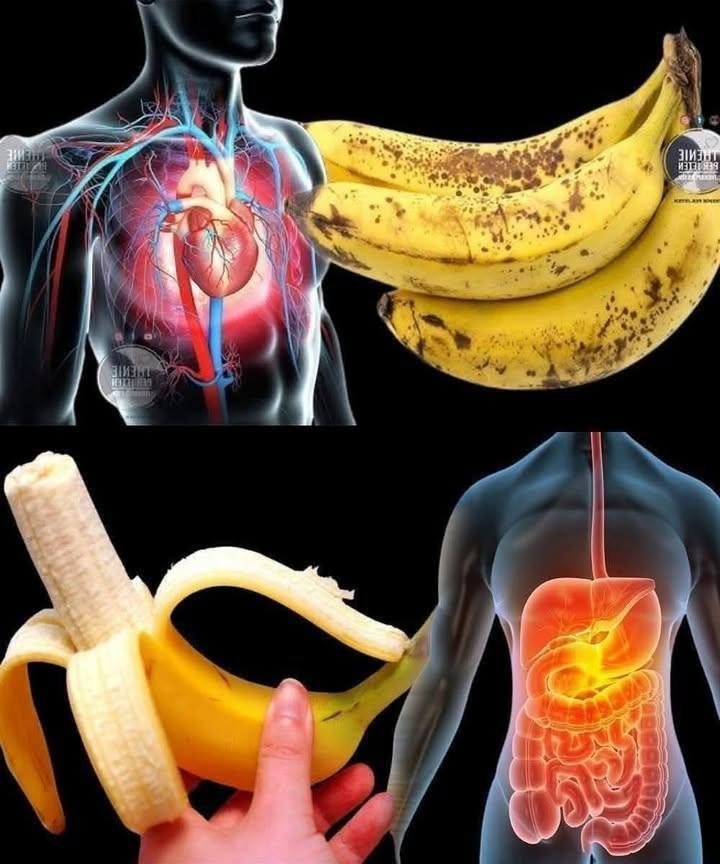
Sensationalist clickbait headlines love leaving sentences like “Did you know that eating bananas increases…” dangling to manufacture a sense of mystery or alarm. In nutritional science, cardiology, and clinical dietetics, eating bananas doesn’t trigger hidden perils or bizarre physiological anomalies—instead, it reliably increases a few key health markers that are overwhelmingly beneficial for your body.
What Regularly Eating Bananas Actually Increases
When clinical researchers and nutritionists look at what happens when you make bananas a regular part of your diet, several key improvements stand out:
-
Cellular Potassium Levels (Electrolyte Balance)
-
The Impact: Bananas are famous for being a stellar source of potassium. Increasing your dietary potassium helps regulate fluid balance, supports smooth muscle contraction, and counteracts the effects of sodium to maintain healthy blood pressure.
-
-
Digestive Fiber and Resistant Starch
-
The Impact: Bananas (especially slightly firm or greener ones) are rich in prebiotic fiber and resistant starch. These compounds increase the population of beneficial gut bacteria, promoting smooth digestion and regular bowel movements.
-
-
Sustained Natural Energy
-
The Impact: Packed with easily digestible carbohydrates paired with vitamin B6, bananas provide a steady, natural lift in physical energy without the sharp crashes associated with processed sugary snacks.
-
-
Mood and Sleep Support (Tryptophan & B6)
-
The Impact: Bananas contain vitamin B6 and tryptophan, which your body utilizes to synthesize neurotransmitters like serotonin—the chemical messenger responsible for regulating mood, calmness, and sleep cycles.
-
The Clinical Reality: Are There Any Risks?
While online clickbait sometimes tries to frame bananas as a “hidden sugar bomb” or a danger for certain health conditions, dietitians note a couple of balanced contexts:
-
For Most People: A daily banana is an exceptionally healthy, nutrient-dense choice.
-
Specific Medical Considerations: Individuals with advanced chronic kidney disease (who must strictly monitor potassium intake because their kidneys cannot filter it efficiently) or those managing tight blood sugar protocols need to factor bananas into their carbohydrate and electrolyte tracking—though they rarely need to avoid them entirely unless advised by a nephrologist.
Are you looking at how to incorporate potassium-rich foods into a balanced meal plan, or exploring specific nutritional strategies?
