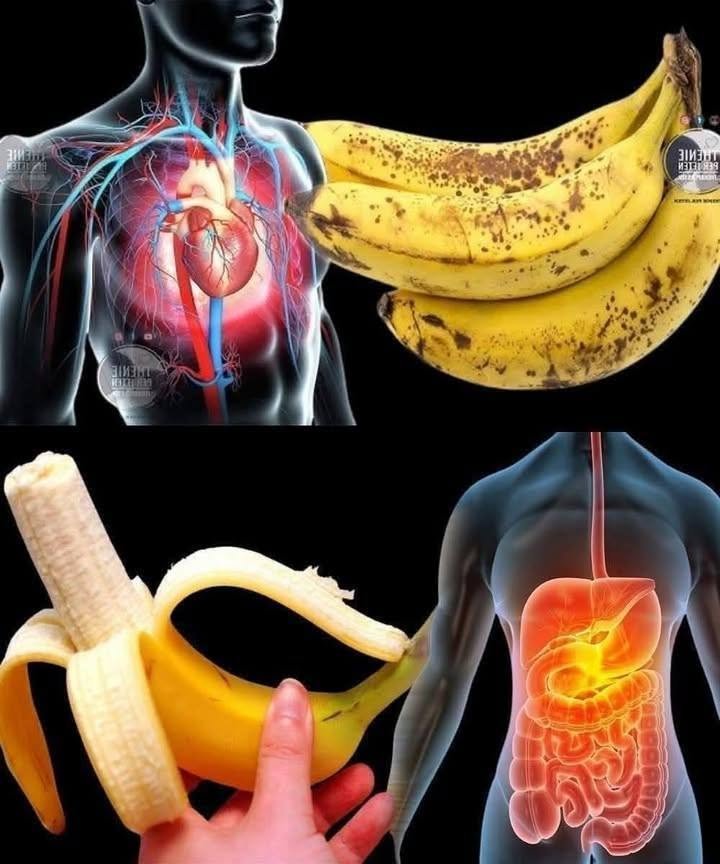
When health and wellness articles tease incomplete headlines like “Did you know that eating bananas increases…” they rely on the classic cliffhanger technique to trick you into clicking, usually setting up a wild exaggeration about weight gain, potassium toxicity, blood sugar spikes, or even radioactive exposure.
The underlying nutritional and physiological reality is far more grounded: bananas are a nutrient-dense, fiber-rich whole food that supports cardiovascular health, digestion, and energy metabolism, and eating them does not cause sudden, dramatic physiological disasters. While individual health contexts (like advanced kidney disease or strict low-carbohydrate diets) require mindful tracking of potassium or carbohydrates, a banana is a wholesome dietary choice for the vast majority of people.
An evidence-based look at what bananas actually do in the human body helps separate sensationalized myths from nutritional facts.
1. The Potassium and Blood Pressure Reality
The most common finish to that sensational headline involves potassium and heart health:
-
The Claim: Articles often warn that bananas will dangerously overload your system with potassium or cause your heart rate to go haywire.
-
The Reality: A medium banana contains about 400–450 mg of potassium, which is a beneficial mineral that helps regulate fluid balance, nerve signals, and muscle contractions. Crucially, it helps counterbalance sodium, supporting healthy blood pressure. Unless you have advanced chronic kidney disease (where the kidneys cannot filter excess potassium efficiently) or take specific potassium-sparing diuretics, your body regulates dietary potassium effortlessly.
2. The Blood Sugar and Energy Myth
-
The Claim: Bananas are frequently demonized as “sugar bombs” that will instantly spike your insulin and cause weight gain.
-
The Reality: While bananas do contain natural sugars and carbohydrates, they also pack about 3 grams of dietary fiber (and even more resistant starch when slightly green). This fiber slows down digestion and the absorption of glucose into the bloodstream, preventing the sharp crashes associated with processed sweets. They provide steady, sustained energy, making them a favorite pre- or post-workout fuel for athletes.
3. The Radioactivity Curiosity (The “Banana Equivalent Dose”)
-
The Claim: Clickbait articles love to point out that bananas are “radioactive” because they contain potassium, suggesting they pose a hidden radiation hazard.
-
The Reality: Because natural potassium contains a tiny fraction of the radioactive isotope potassium-40, scientists actually use the “Banana Equivalent Dose” (BED) as a humorous, informal unit to illustrate tiny amounts of radiation exposure. However, the dose in a banana is infinitesimally small—you would need to eat millions of bananas at once to experience any harmful effects. Your body naturally maintains a stable level of potassium anyway.
The Takeaway
Ignore the breathless clickbait designed to make you fear a humble fruit. Bananas are an inexpensive, convenient, and nutrient-packed addition to a balanced diet, providing essential vitamins, fiber, and electrolytes without any hidden health traps.
