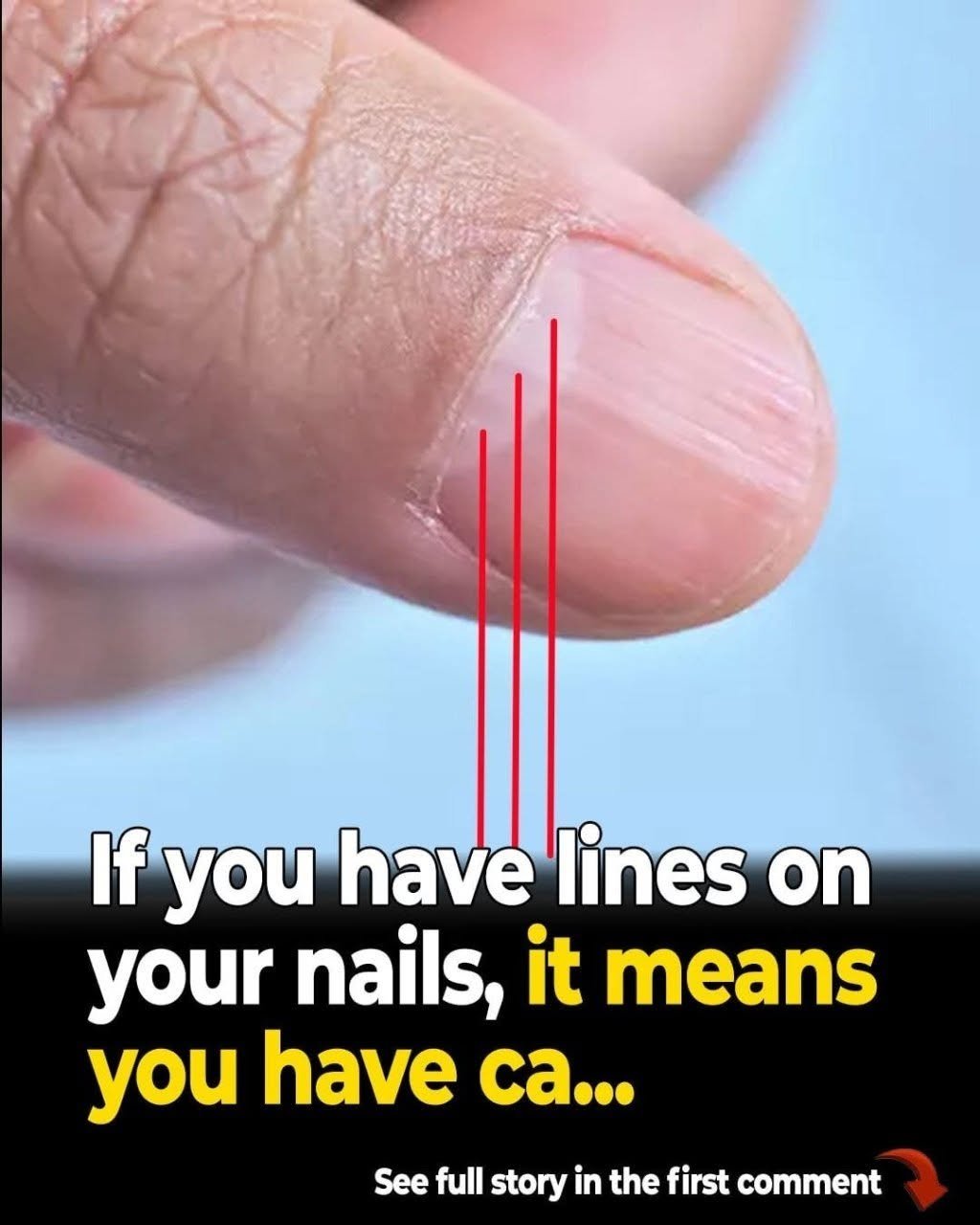
When we think of health diagnostics, we usually look to blood tests, blood pressure cuffs, or scans. However, your fingernails can act as a surprising diagnostic mirror for your internal systemic health. Because fingernails grow relatively slowly (about 3 millimeters per month) and require a robust supply of oxygenated blood, nutrients, and balanced metabolic function, any long-term internal stress, nutritional deficiency, or cardiovascular strain leaves a permanent physical record on the nail plate.
While no single nail sign can definitively predict your exact lifespan, medical experts and dermatologists have identified specific fingernail anomalies that strongly correlate with underlying systemic disease, biological aging, and compromised longevity.
Here are the key telltale fingernail signs that doctors look at when assessing long-term health and vitality:
1. Clubbing (Rounded, Enlarge Fingertips and Curved Nails)
-
What it looks like: The tips of your fingers broaden and swell, and the nails curve downward so they look similar to an upside-down spoon. The nail angle where it meets the cuticle becomes spongy or greater than 180 degrees.
-
What it may predict: Nail clubbing is a major red flag for chronic oxygen deprivation. It is frequently linked to serious long-term conditions such as chronic obstructive pulmonary disease (COPD), interstitial lung disease, congenital heart defects, or cardiovascular disease. Because chronic hypoxia shortens overall life expectancy, nail clubbing is treated by physicians as a critical indicator requiring immediate medical investigation.
2. Deep Horizontal Grooves (Beau’s Lines)
-
What it looks like: Deep depressions or ridges running horizontally (side-to-side) across the nail plate.
-
What it may predict: Beau’s lines occur when nail growth is temporarily interrupted due to severe physical stress, major systemic shock, severe infection, uncontrolled diabetes, or major cardiovascular events. Because nails grow at a predictable rate, doctors can often calculate when a major health crisis occurred in the past simply by measuring how far the groove has grown out from the cuticle.
3. Splinter Hemorrhages (Tiny Red-Brown Lines)
-
What it looks like: Tiny vertical reddish-brown lines under the nails that resemble small splinters of wood. They do not move toward the tip as the nail grows; instead, they grow out with it.
-
What it may predict: These are tiny vertical blood vessels (capillaries) that have burst under the nail. While they can simply result from a minor finger injury, persistent splinter hemorrhages across multiple nails can signal infective endocarditis (a dangerous infection of the heart valves) or systemic vasculitis. Unaddressed heart valve infections pose severe, life-threatening risks.
4. Severe Spoon Nails (Koilonychia)
-
What it looks like: Nails that become abnormally thin, lose their convexity, and hollow out so much that they can theoretically hold a drop of water.
-
What it may predict: Koilonychia is a classic sign of severe, chronic iron-deficiency anemia or hemochromatosis (iron overload). Severe anemia forces the heart to work exponentially harder to pump oxygen-depleted blood, placing long-term strain on the cardiovascular system and accelerating physical fatigue and organ aging.
5. Extreme Paleness or White Nail Beds (Terry’s Nails or Leukonychia)
-
What it looks like: Nails that appear stark white, or where the nail bed loses its pink, healthy blood circulation, sometimes showing a dark reddish-brown band near the very tip.
-
What it may predict: Pale nail beds directly reflect poor peripheral circulation or low red blood cell counts. In severe cases, uniformly white nails can be associated with chronic liver disease (cirrhosis), congestive heart failure, or severe kidney dysfunction—all of which significantly impact long-term survival.
Medical Disclaimer: Nail changes can range from harmless genetic quirks and minor vitamin deficiencies to warning signs of serious systemic disease. If you notice sudden, persistent, or painful changes in your fingernails, consult a physician for proper diagnostic blood work.
