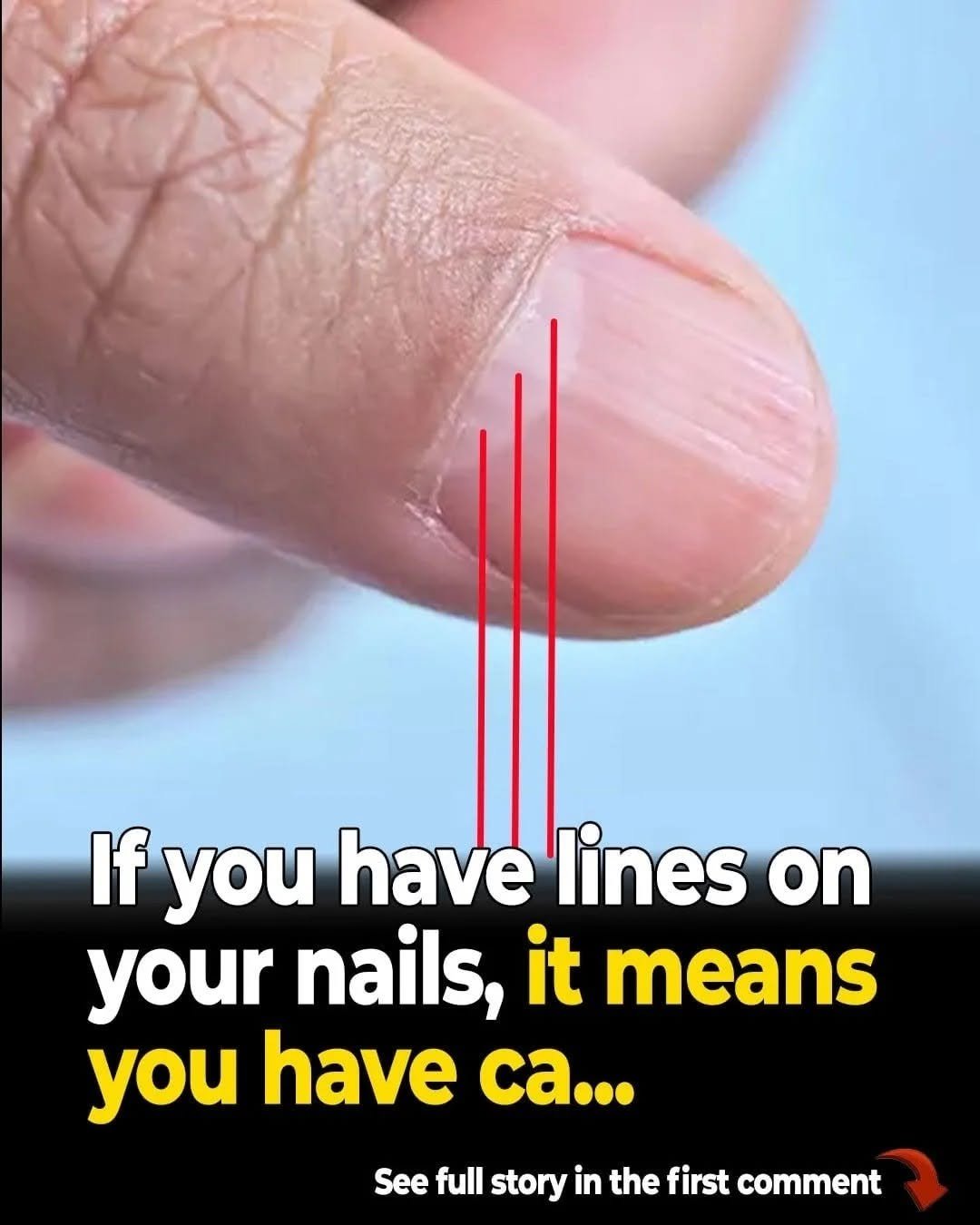
When viral health blogs and sensationalized videos flash headlines like “Doctor Uncovers A Telltale Sign In Your Fingernails That May Predict Your Life Expectancy,” they take a legitimate, modest medical concept—using physical signs to aid clinical diagnosis—and twist it into a sci-fi fortune-telling game.
By framing human fingernails as a magical countdown clock or an absolute predictor of how long you will live, these articles sacrifice medical accuracy for click-driven panic.
What Clickbait “Nail Lifespan” Claims Get Wrong
-
The “Crystal Ball” Fallacy: Clickbait treats minor or non-specific nail variations as an explicit numerical verdict on your longevity, ignoring the reality that life expectancy depends on complex genetics, lifestyle, cardiovascular health, and comprehensive medical care.
-
Overstating Diagnostic Specificity: Sensationalized pieces often pretend that a single nail feature points to one exact, terrifying conclusion, whereas dermatologists and physicians view nails only as part of a much broader clinical picture.
The Clinical Reality: What Nails Actually Reveal
Physicians, dermatologists, and specialists recognize that while nails can sometimes serve as a helpful, external “window” into overall health, they are indicators of current systemic conditions—not a crystal ball for lifespan. Specific structural or color changes can sometimes prompt a doctor to investigate further:
-
Digital Clubbing: This involves a softening of the nail bed and a subsequent downward curving of the nail plate, accompanied by widening fingertips. Clinically, clubbing is well-documented as a potential physical sign associated with chronic conditions that impact blood oxygenation, such as certain pulmonary or cardiovascular diseases. However, it requires formal diagnostic imaging (like chest X-rays) to evaluate, not a quick glance in the mirror.
-
Color and Pigmentation Shifts: Conditions like Terry’s nails (where the nail turns mostly white with a narrow pink band at the tip) can sometimes be seen in association with metabolic, hepatic, or systemic health factors, but they require proper blood work and medical context to interpret accurately.
-
Texture and Growth Changes:Significant changes in nail thickness, pitting, or severe splitting can point toward localized issues like fungal infections, or broader considerations like iron deficiency anemia or thyroid function, which are easily managed once diagnosed properly.
Evidence-Based Takeaways for Health Monitoring
Instead of scanning your fingers for signs of impending doom based on internet clickbait, focus on practical, proactive healthcare:
-
Look at the Whole Picture: Occasional vertical ridges, minor white spots, or normal aging changes in your nails are almost always harmless and unrelated to major systemic disease.
-
Consult Professionals for Persistent Changes: If you notice sudden, dramatic, and widespread changes—such as clubbing, persistent discoloration across all nails, or deep structural damage—schedule a proper medical evaluation rather than turning to online listicles.
-
Prioritize Foundational Health: True longevity and vitality are supported by standard, evidence-based practices: regular cardiovascular checkups, balanced nutrition, active lifestyle choices, and managing risk factors like blood pressure and cholesterol.
