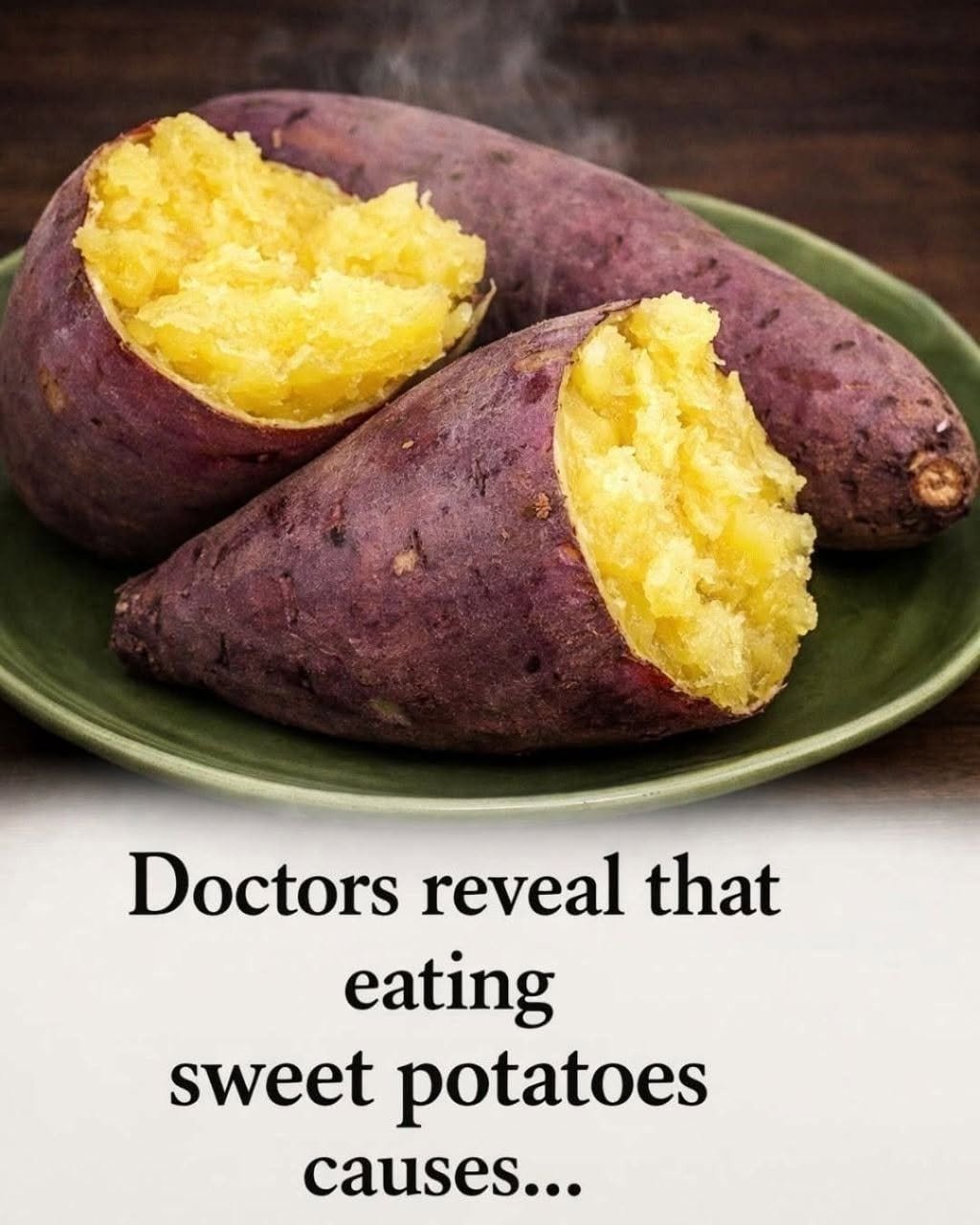
When clickbait health articles tease that “Doctors reveal that eating sweet potatoes causes…” they are banking on the classic internet curiosity gap to turn an ordinary root vegetable into a shocking medical mystery.
The underlying nutritional and physiological reality is far more mundane: eating sweet potatoes causes sustained energy, better digestive health, and robust micronutrient intake—not sudden medical catastrophes. Sweet potatoes are one of the most nutrient-dense whole foods available, packed with complex carbohydrates, fiber, and beta-carotene. Unless you are eating so many of them that your skin literally turns orange (a harmless condition called carotenodermia), the only thing sweet potatoes will “cause” is a healthier plate.
An evidence-based look at what sweet potatoes actually do in the body helps separate clickbait panic from sound nutritional science.
1. The Nutritional Powerhouse (What They Actually Do)
Sweet potatoes (Ipomoea batatas) are celebrated by dietitians and sports scientists for good reason:
-
Complex Carbohydrates & Low Glycemic Index: Unlike refined sugars or white potatoes, sweet potatoes contain complex starches and soluble fiber that digest slowly, preventing sharp blood sugar spikes and providing steady, long-lasting energy.
-
Massive Vitamin A (Beta-Carotene): A single medium sweet potato provides well over 100% of your daily recommended intake of Vitamin A in the form of beta-carotene, supporting immune function, vision, and skin health.
-
Gut Health: Their high fiber content feeds beneficial gut bacteria, promoting a healthy, diverse microbiome and regular digestion.
2. The Grain of Truth Behind the “Shocking” Headlines
Sensational headlines usually take a minor, harmless physiological quirk and blow it out of proportion:
-
Carotenodermia (The Orange Skin Myth): If you eat an extreme, absurd quantity of orange vegetables (carrots, sweet potatoes, pumpkin) day after day for months, the excess beta-carotene in your bloodstream can deposit in the outer layers of the skin, turning your palms and soles a yellowish-orange tint.
-
The Reality: While alarming to look at, carotenodermia is completely harmless and reversible simply by cutting back on beta-carotene-rich foods. It is a rare dietary curiosity, not a disease.
-
Oxalates and Kidney Stones: Sweet potatoes do contain moderate levels of oxalates, which can contribute to kidney stone formation in individuals who are specifically prone to calcium-oxalate stones. However, for the vast majority of people, standard consumption poses zero risk.
The Takeaway
Ignore the breathless clickbait implying that sweet potatoes are secretly harming your health. They are a fiber-rich, vitamin-packed superfood that belongs in a balanced diet. Unless you are eating pounds of them every single day, the only thing they will “cause” is better nutrition.
