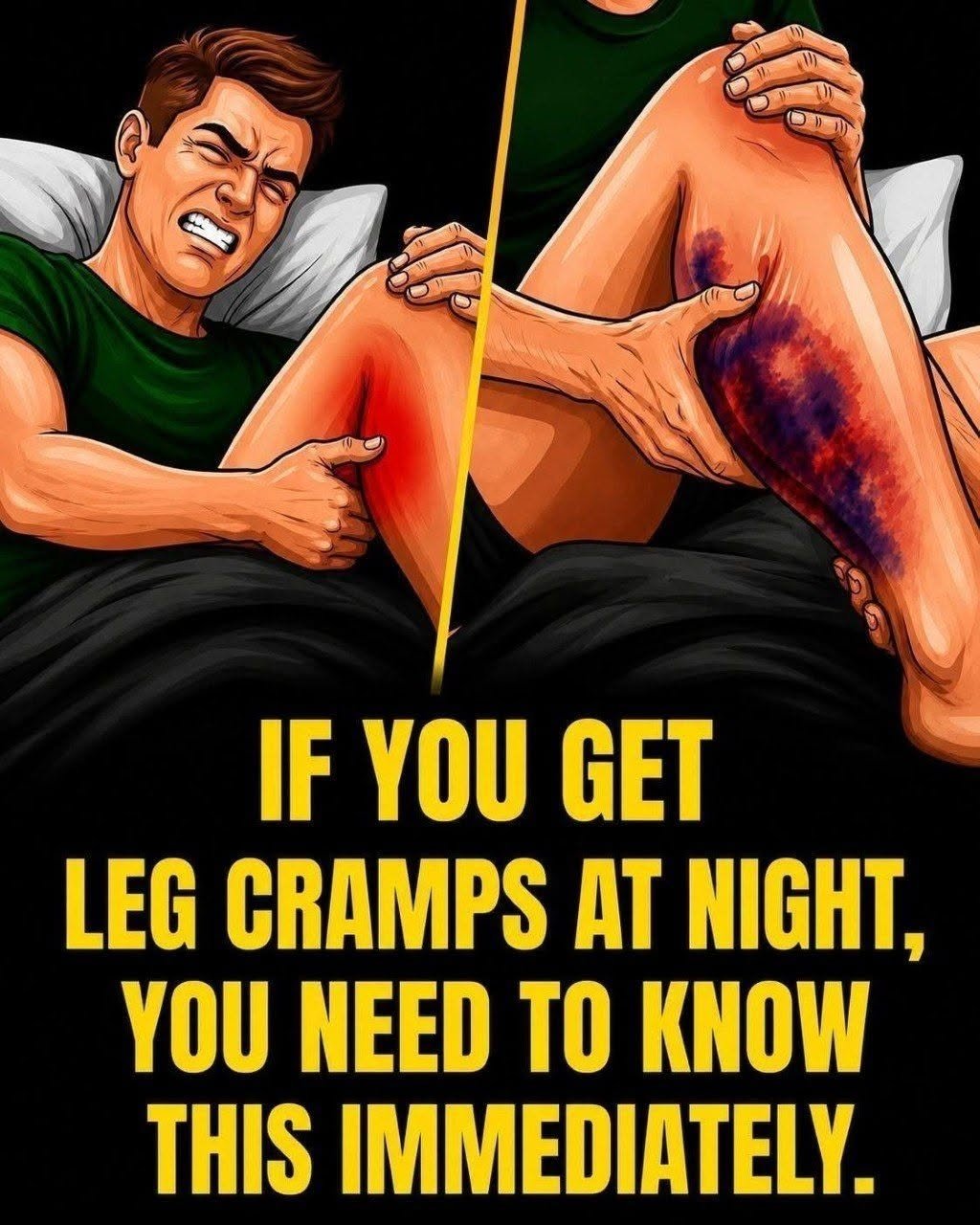
Nighttime leg cramps—often called nocturnal leg cramps—can jolt you awake with a sudden, painful contraction of the calf muscles, foot arches, or toes. While they are usually harmless and pass within a few minutes, persistent cramps can severely disrupt your sleep and quality of life.
Here is what you should know about why they happen, what you can do for immediate relief, and when to look closer:
What Causes Nighttime Leg Cramps?
In the vast majority of cases, nighttime leg cramps are classified as “idiopathic,” meaning they occur without a clear or dangerous underlying cause. However, researchers and clinicians point to several primary triggers:
-
Muscle Fatigue and Overexertion: Unaccustomed physical activity, prolonged standing, or heavy exercise during the day can leave muscles fatigued and prone to spasming at rest.
-
Nerve and Tendon Compression: Prolonged sitting or awkward sleeping positions can compress peripheral nerves or tendons, triggering involuntary muscle contractions.
-
Dehydration: Inadequate fluid intake reduces blood volume and alters electrolyte balance in the neuromuscular junctions.
-
Electrolyte Shifts: Low levels of magnesium, potassium, or calcium can disrupt normal muscle relaxation cycles.
-
Medications: Certain prescription drugs—most notably diuretics (water pills) prescribed for high blood pressure or heart conditions—can deplete electrolytes and provoke cramping.
Immediate Relief When a Cramp Hits
When a nocturnal cramp strikes, you want to stop the contraction as quickly as possible:
-
Stretch the Muscle: If it hits your calf, straighten your leg, flex your foot upward (pulling your toes toward your shins), or stand up and gently walk around.
-
Apply Gentle Heat or Massage: Massaging the cramped muscle with firm pressure helps encourage the fibers to relax, while a warm towel or heating pad can soothe lingering soreness afterward.
-
Hydrate: Drinking a glass of water can help rehydrate tissues if dehydration played a role.
Debunking the “Soap Under the Sheets” Myth
You may have heard the popular folk remedy of placing a bar of soap under the bottom sheet to prevent leg cramps. While many people swear by it anecdotally, there is no scientific or physiological mechanism proving that soap emits compounds that stop muscle spasms. Relief reported from this method is almost certainly due to the placebo effect or the natural, random resolution of intermittent cramps.
Prevention Strategies
-
Daily Hydration: Drink plenty of water throughout the day, especially if you exercise or take medications that increase urination.
-
Gentle Evening Stretches: Perform light calf and hamstring stretches 15 to 30 minutes before going to bed.
-
Magnesium-Rich Foods: Incorporate foods that naturally support muscle relaxation, such as leafy greens, nuts, seeds, and avocados, or discuss magnesium supplementation with your doctor.
-
Supportive Footwear: Wear comfortable, supportive shoes during the day to minimize foot and calf muscle strain.
When to See a Doctor
While most night cramps are entirely benign, you should consult a physician if your cramps are exceptionally severe, occur nightly, or are accompanied by swelling, redness, muscle weakness, or loss of sensation in the legs. These can occasionally signal underlying circulatory issues, nerve compression, or metabolic imbalances.
